
Singapore’s approach offers a model for Kerala to move from being a food consumer towards becoming a proactive urban producer.
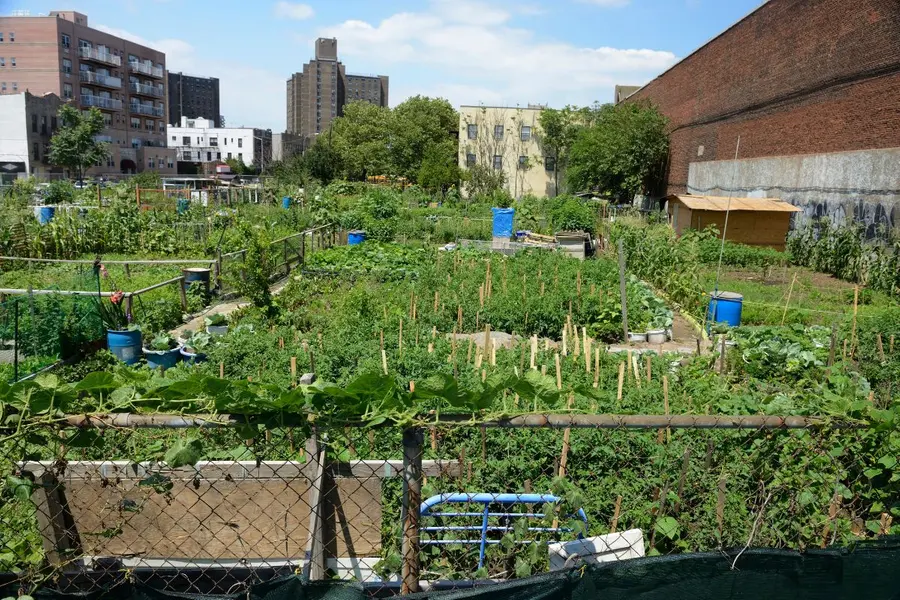
Thiruvananthapuram: Kerala Karshakan, the monthly agricultural magazine published by the Farm Information Bureau (FIB) of the Government of Kerala, has carried a cover story in its May 2026 edition examining urban agriculture models.
The cover story, titled “From Concrete to Crops What Kerala Can Learn from Singapore’s Urban Farming Revolution”, is authored by Anuranj P R, Research Scholar, Department of Agricultural Extension, College of Agriculture, Vellanikkara.
Urban pressure and food import dependence
The article states that while Kerala is geographically larger than Singapore, both regions share a humid tropical climate, high urban population density and rising pressure on land resources.
It notes that Kerala is witnessing rapid urban expansion, shrinking agricultural land, and growing dependence on food imports for essentials such as vegetables, eggs and milk.
Singapore’s approach, it says, offers a model for Kerala to move from being a food consumer towards becoming a proactive urban producer.
Urban farming systems and productivity gains
The article explains Singapore’s “upward and inward” farming model, developed in response to limited land availability, with only around 1% of land used for conventional farming.
Singapore currently produces less than 10% of its food needs and imports nearly 90%. Following disruptions such as COVID-19, it has set a target to produce 30% of its nutritional needs locally by 2030.
Urban farming in Singapore includes rooftop hydroponics on buildings and parking structures, as well as repurposed infrastructure such as warehouses and former schoolyards used for vertical farms and greenhouses.
The report cites systems that can produce up to four times higher yields than conventional farming, with some achieving 10 to 15 times more output per unit area. Controlled environment agriculture facilities under 4,000 sq m are reported to produce nearly one tonne of leafy greens daily.
These systems rely on automated irrigation, LED lighting and reduced pesticide use to improve efficiency.
Policy frameworks and adaptation limits
The article highlights Singapore’s focus on high-demand perishables such as vegetables, eggs and fish, and suggests Kerala could adopt similar priorities to reduce dependence on neighbouring states.
It also notes that Singapore’s model is supported by government grants for agri-tech and strong community participation.
Kerala, it adds, already has institutional networks such as Kudumbashree and local self-governments, which could support youth-led agri-enterprises through subsidies, training and technical support.
However, it warns that the Singapore model involves high investment and energy costs and carries risks of displacing traditional farming practices and knowledge. It suggests Kerala should adapt selected elements such as small-scale hydroponics and protected cultivation rather than replicate the model directly.
Published: 13 May 2026, 02:22 pm IST
Related Topics
Disclaimer: Kindly avoid objectionable, derogatory, unlawful and lewd comments, while responding to reports. Such comments are punishable under cyber laws. Please keep away from personal attacks. The opinions expressed here are the personal opinions of readers and not that of Mathrubhumi.
