
Eating a colourful variety of fruits every day can help support gut health, reduce inflammation and provide essential vitamins, minerals and fibre
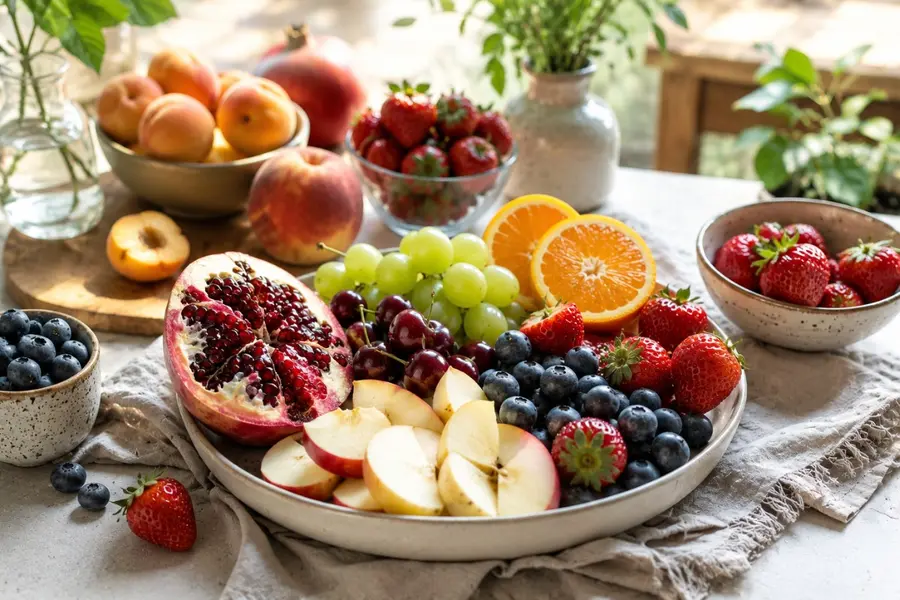
Most of us don't get excited about fruit. If we're craving something sweet, we'll probably reach for biscuits, chocolate or ice cream before we think about an apple or a bowl of grapes. Fruit often ends up being the thing we buy with good intentions, only to find it sitting untouched in the fridge a week later.
But here's the thing; experts recommend eating around one and a half to two cups of fruit each day. It isn't because fruit is trendy or Instagram-worthy. It's because different fruits contain fibre, vitamins and natural plant compounds that support your gut, help the body deal with inflammation and may lower the risk of several long-term health conditions.
And no, you don't need to hunt down expensive imported berries or fancy "superfoods". The fruits you probably already know are doing plenty of the heavy lifting.
Your gut is happier when fruit is on the menu
Gut health has become one of those phrases that's everywhere these days.
People talk about probiotics, kombucha and fermented foods, but one of the easiest ways to look after your digestive system is much simpler.
Eat more fruit.
Many fruits are naturally rich in fibre, which feeds the beneficial bacteria living in your gut. These tiny microbes help with digestion and play an important role in keeping your digestive system working well.
Think of fruit as food for the good bacteria, not just for yourself.
Don't ignore the apple bowl
There may actually be some truth behind the old saying about an apple a day.
Apples and pears contain fibre, vitamin C and something called pectin, a type of soluble fibre that acts as food for healthy gut bacteria.
Researchers have found that people who regularly eat these fruits tend to have a healthier mix of microbes in their digestive system.
Their benefits don't stop there. A large study involving women also found that regularly eating apples and pears was linked to a lower risk of dying from heart disease.
Not bad for something that's probably sitting in your fruit basket already.
The small fruits that punch above their weight
Berries don't look particularly impressive. They're tiny, disappear in two bites and sometimes cost more than we'd like.But nutritionally, they're among the best fruits you can eat.
Blueberries, strawberries and blackberries get their bright colours from natural compounds called anthocyanins. Along with vitamin C, these help protect the body's cells.
Research has linked regular berry consumption with a lower risk of conditions such as type 2 diabetes and Alzheimer's disease.
If you already have porridge, yoghurt or oats for breakfast, you've got the perfect excuse to throw a handful on top.
Buy what's in season
You don't have to eat the same fruit all year.
In fact, changing your fruit with the seasons is one of the easiest ways to get a wider range of nutrients without even thinking about it.
When it's warm outside, peaches, plums and apricots are hard to beat.
Cherries deserve a special mention too. Studies suggest they may help ease muscle soreness after exercise and could reduce the risk of gout attacks in some people.
When the weather cools down, apples come back into season, while pomegranates make their way into fruit bowls. Their juicy seeds are packed with vitamins C and K, along with potassium.
Even grapes deserve more attention. They're easy to snack on and contain beneficial plant compounds alongside several vitamins.
Citrus fruits deserve more than cold season fame
Most of us suddenly remember oranges only when someone in the family catches a cold.
But citrus fruits aren't just about vitamin C.
Oranges, lemons, limes and grapefruit also provide potassium, calcium and several B vitamins that support overall health, including heart health.
And if you're choosing between juice and the whole fruit, the fruit wins.
Juicing removes much of the fibre, and that's one of the biggest reasons fruit is so good for your digestive system in the first place.
It doesn't have to be complicated
Healthy eating often gets made to sound like a full-time job. In reality, it can be as simple as carrying a banana to work, slicing an apple instead of opening another packet of crisps, or adding a handful of berries to breakfast.
Nobody eats perfectly every day. The goal isn't perfection. It's simply finding easy ways to eat a little more colour throughout the week.
Sometimes, the healthiest foods are the ones we've known about all along.
Published: 03 Jul 2026, 05:33 pm IST
ABOUT THE AUTHOR

Related Topics
Disclaimer: Kindly avoid objectionable, derogatory, unlawful and lewd comments, while responding to reports. Such comments are punishable under cyber laws. Please keep away from personal attacks. The opinions expressed here are the personal opinions of readers and not that of Mathrubhumi.