
For India, the sword of Damocles still hangs, but it has done well not only to sidestep the tariff threat but also to smooth the path to a deal
United States President Donald Trump’s decision to waive the “sanctions, restrictions and duties provided for in the Graham Act” comes as a major relief for India’s energy security and trade, and could well clear the way for a trade deal. The waiver followed within days of his announcement of a deal allowing Russia to sell diesel to the US and global markets, and of an 'energy ceasefire' between Ukraine and Russia.
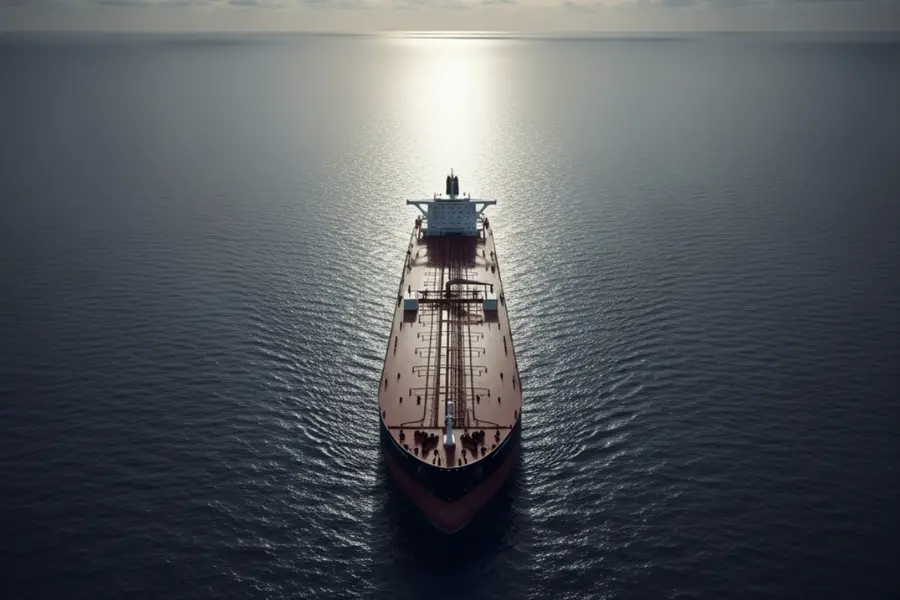
India is the world’s third largest consumer of crude, depends on imports for over 88% of its needs, and counts Russia as its largest supplier. Russian crude hit an all-time high of 2.8 million barrels per day in July, about 53% of total imports. With the threat of 100% tariffs looming, India gradually turned back to Gulf oil, particularly from the UAE. In August, Russia's share fell to 44%, while the UAE's surged to 17.4% and Saudi Arabia's stood at 14%. The waiver gives India the room to make supply decisions on commercial merit rather than under the shadow of sanctions.
Ironically, the waiver strikes at the very heart of the Graham Act, which won unprecedented bipartisan backing from Democrats and Republicans in both the Senate and the House of Representatives, and was designed to choke off the money funding Russia’s war against Ukraine.
The ‘energy ceasefire’, which Ukrainian President Zelensky said was news to him, would spare Russia’s oil infrastructure further damage and give it time to repair. But would any of this trouble President Trump, whose Art of the Deal rests on extreme transactionalism, maximum pressure, shifting positions, manufactured leverage and a wanton disregard for international law and diplomatic norms? Hardly.
President Trump has made a habit of keeping countries on the back foot, allies and friends like India included. The real question is whether he could ever have imposed the proposed 100% tariffs on the five largest importers of Russian crude, a list topped by China and India. Probably not. But for him, a threat serves its purpose: it is a lever to extract unreasonable concessions. Consider why.
India is the largest importer of Russia’s seaborne crude, but China is the biggest overall buyer once pipeline deliveries are counted. Yet sanctions on China came up neither during Trump’s visit to Beijing in May, when he bestowed an exclusive ‘G2’ status on the two countries, nor during President Xi’s visit to Washington in September, when Trump rolled out a literal and figurative red carpet.
Given China’s proven capacity and leverage to retaliate, Washington was never likely to impose Graham Act tariffs on Beijing. That made tariffs on India even less likely.
With domestic diesel prices hitting a record $6.53 per gallon in late September, any further escalation would only hurt Republican prospects in the midterms on 3 November. Taking Russian crude off global markets through the proposed tariffs would push US diesel prices higher still, an electoral calculation that must surely weigh on Trump’s mind.
And after his recent tirade against Zelensky on Truth Social, calling him a “modestly successful comedian” and alleging “financial extraction, corruption, and the misuse of Western aid”, Trump appears to have tilted towards Russia in a war he regards as Europe’s.
External Affairs Minister S Jaishankar has often called out the West’s double standards, and on this the US is very much in step with Europe. White House Trade Adviser Peter Navarro has publicly called India “a global clearinghouse for Russian oil” and “a laundromat for the Kremlin.”
Going beyond the rhetoric of “fueling Russia’s war machine,” the US actually imposed a 25% penal tariff, taking overall tariffs to 50%. This time, however, the Europeans seem to be missing in action. The EU Council froze the assets of Nayara Energy Limited under its 18th sanctions package. Will it act likewise against the US, which now fits its own definition of funding Russia’s war against Ukraine?
For India, the sword of Damocles still hangs, but it has done well not only to sidestep the tariff threat but also to smooth the path to a deal, possibly by Prime Minister Modi’s visit in December. On energy security, India looks far better placed. It handled the sudden oil disruption from the West Asia crisis with aplomb: it widened its sourcing from 27 to 41 countries, avoided steep hikes in fuel prices, kept LPG flowing to household kitchens, and kept fertiliser plants running to meet kharif demand.
The prolonged war has also pushed Gulf producers to bypass Hormuz through pipelines and alternative routes, lifting exports back to 84% of pre-war levels. The war may end and Hormuz may reopen, but uncertainty over choke points and high risk premiums will persist. The world must brace for that, just as it must brace for arbitrary decisions by the world’s largest economy.
The author is former Ambassador of India to the UAE and Maldives. Views expressed are personal.
Published: 22 Oct 2026, 11:03 am IST
Disclaimer: Kindly avoid objectionable, derogatory, unlawful and lewd comments, while responding to reports. Such comments are punishable under cyber laws. Please keep away from personal attacks. The opinions expressed here are the personal opinions of readers and not that of Mathrubhumi.
