
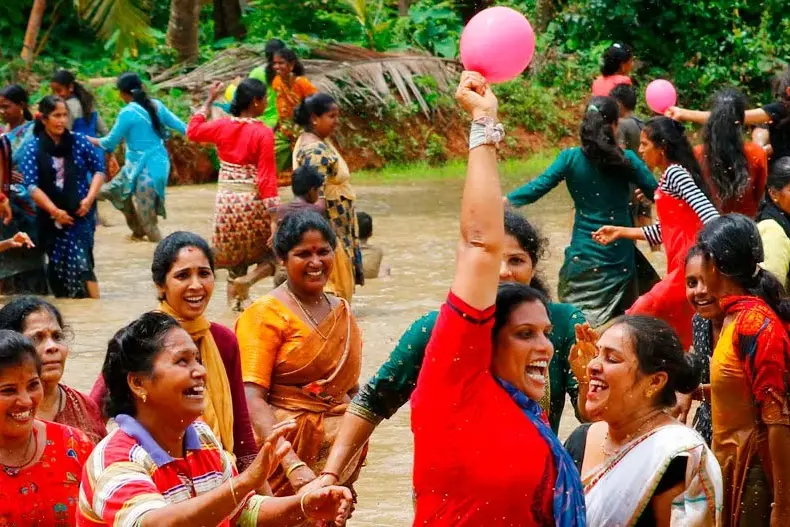
As we observe Women’s History Month, the world showers women with flowery words, social media tributes, and empty promises of equality. But what is the point of these celebrations when millions of women in India continue to suffer in silence, trapped in cycles of abuse, violence, and societal oppression? What do these grand gestures mean in a world dominated by masculine energy, where a woman’s worth is often measured by her subservience, endurance, and ability to suffer quietly?
While slogans of “empowerment” echo in urban corridors, the brutal reality is far from inspiring. Across India, women endure daily violence—inside homes, on the streets, in workplaces, and even in institutions meant to protect them. The statistics tell a harrowing tale.
The Hidden Scars: Domestic and Sexual Violence
Domestic abuse remains a silent epidemic in India. According to the National Family Health Survey (NFHS) 2019-2021, nearly 30% of married women aged 18 to 49 have experienced domestic or sexual violence. Shockingly, 3.1% of pregnant women in this age group have been subjected to physical violence while carrying a life inside them. These numbers barely scratch the surface, as countless women never report their abuse, fearing shame, retaliation, or worse—being abandoned by their own families.
And what about rape? In 2022 alone, India reported 31,516 cases of rape—an alarming 20% increase from the previous year. But these are just the ones that made it to police records. How many more are suffering in silence, their voices stifled by threats and systemic indifference? How many are dying without their stories ever being told?

The Unseen Murders: Female Foeticide and Infanticide
The injustice starts even before birth. Female foeticide—the practice of aborting a fetus solely because it is female—remains a chilling reality in India. Between 2000 and 2019, an estimated nine million female fetuses were aborted. This systematic extermination has left a demographic imbalance that cannot be ignored. The 2011 Census revealed that states like Haryana, Punjab, and Jammu & Kashmir have some of the worst child sex ratios, with as many as 120 males for every 100 females in certain regions.
India’s obsession with male heirs stems from deep-seated patriarchal norms, where daughters are seen as burdens and sons as assets. Even in Kerala, a state renowned for its high literacy rate and progressive indicators, women continue to be subjugated within the confines of tradition and misogyny. Despite having the highest female-to-male ratio (1,084 females per 1,000 males as per the 2011 Census), Kerala is not immune to domestic violence, dowry deaths, and gender-based discrimination.
A Legacy of Compassion: Sugathakumari’s Abhaya
Amidst this darkness, there have been beacons of hope. One such light was the renowned Malayalam poet and activist Sugathakumari. While many chose to ignore the plight of abused and mentally ill women, she took action. In 1985, she founded ‘Abhaya,’ a nonprofit organisation dedicated to providing shelter, dignity, and hope to destitute women—particularly those suffering from mental illnesses and abandonment.
Sugathakumari’s journey towards activism began with a visit to a government-run mental hospital in Thiruvananthapuram. What she witnessed shook her to the core—women caged in inhumane conditions, neglected, abused, and left to rot in overcrowded, unsanitary cells. She could not look away. She could not remain silent. And so, she built a sanctuary.
Abhaya became a lifeline for the forgotten. It established multiple units: ‘Karma’ (a care home for mentally ill individuals), ‘Sradha Bhavanam’ (a center for short and long-term rehabilitation), ‘Mitra’ (a mental health and de-addiction center), and ‘Abhayabala’ (a shelter for deprived girls). It provided not just food and shelter, but counseling, legal aid, and medical care—everything that society had denied these women.
One of Abhaya’s most remarkable contributions was forcing Kerala government to open its mental institutions to public scrutiny for the first time in 150 years. Her relentless activism led to significant improvements in the state’s mental health care system.
Sugathakumari may have left this planet, but she has left a lasting legacy that needs to be cherished. Her work is a reminder that compassion is not just about words—it is about action, about creating real change in the lives of those who have been cast aside.
Gender Equality: A Distant Dream?
“Gender equality” has become a fashionable term, but when it comes to economic opportunities, the reality remains bleak. Women in India still earn significantly less than men for the same work. In 2022, only 30% of Indian women aged 15 to 64 were employed, reflecting the systemic barriers they face in the workforce.
Women are not just denied equal pay—they are denied opportunities altogether. Job discrimination, workplace harassment, and deeply ingrained stereotypes keep them from reaching leadership positions.
What Must Be Done?
We cannot rely on symbolic gestures to uplift women. Real, systemic change is needed. The government must take urgent steps to bridge the gender gap:
- Stronger Legal Protections: Enforce stricter laws against domestic violence, sexual assault, and workplace discrimination. Establish fast-track courts to ensure justice is not endlessly delayed.
- Educational Reforms: Girls’ education must be prioritised beyond just enrollment. Schools should incorporate gender-sensitive curricula that challenge stereotypes and promote equality from an early age.
- Economic Empowerment: Create policies that encourage women’s participation in the workforce, including mandatory equal pay laws, affordable childcare support, and incentives for companies that promote gender diversity.
- Social Change Campaigns: Nationwide awareness programs should challenge patriarchal norms, dismantle dowry culture, and educate families on the value of daughters.
- Support for Survivors: Increase funding for women’s shelters, helplines, and rehabilitation centers like Abhaya. Expand mental health services for survivors of abuse and violence.
- Political Representation: More women need to be in positions of power where they can influence policies and decision-making at the highest levels.
Beyond Women’s Day: A Call to Action
The time for passive celebration is over. Women’s empowerment cannot be limited to a single day or a month of recognition. It must be a relentless, ongoing battle against the forces of oppression that have long shackled half of India’s population.
We must all become voices for the voiceless. We must stand up, speak out, and demand justice—not just for ourselves, but for every woman who has ever suffered in silence. Let us honour the legacy of women like Sugathakumari, not just with words, but with unwavering action.
Because real change doesn’t happen through hashtags and headlines—it happens when we refuse to look away, when we refuse to be silent, and when we fight, together, for a world where every woman can live with dignity, safety, and freedom.
(The author is Founder, Voices for Asian Elephants, author and wildlife filmmaker)
Published: 17 Mar 2025, 10:04 am IST
Related Topics
Disclaimer: Kindly avoid objectionable, derogatory, unlawful and lewd comments, while responding to reports. Such comments are punishable under cyber laws. Please keep away from personal attacks. The opinions expressed here are the personal opinions of readers and not that of Mathrubhumi.