UAE contractor killed in Bahrain strike: Is the Middle East conflict worsening?
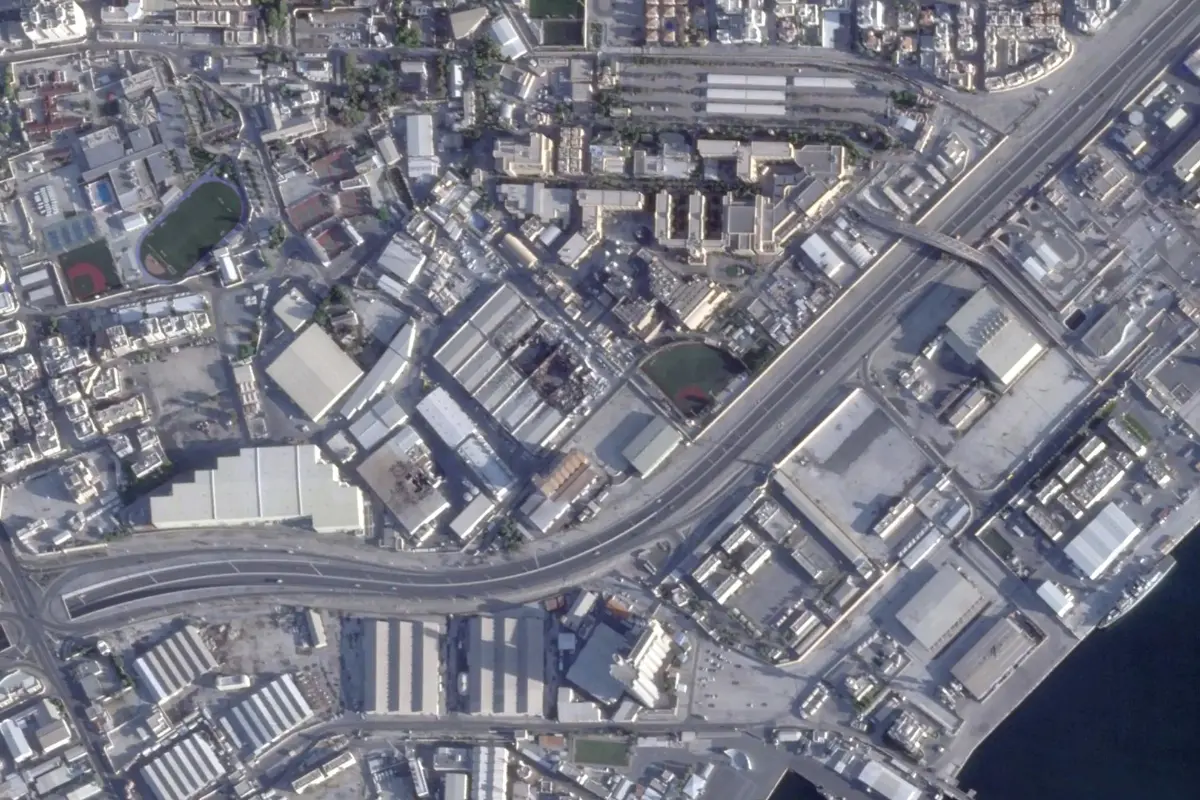
Bahrain: The Middle East conflict has intensified across multiple fronts, with rising casualties, ongoing strikes, and disruptions to global energy markets keeping the situation volatile.
Conflicting statements from Washington and Tehran have heightened uncertainty, as the US signals potential diplomatic engagement while Iran denies any negotiations, reinforcing the deep mistrust between the parties.
The West Asia conflict continues to escalate, with the latest Iranian missile strike in Bahrain killing a Moroccan civilian contractor and injuring five UAE military personnel. The attack occurred during a routine mission and comes amid ongoing US and Israeli strikes on Iran since February 28. The incident underscores the expanding scope of the conflict, which has begun to affect civilian infrastructure, urban areas, and global energy markets.
Meanwhile, Israel conducted an airstrike on the Lebanese Christian town of Sahel Alma, north of Beirut, marking the first time this area has been targeted. Witnesses reported multiple blasts and rising smoke, raising concerns about the widening geographic footprint of the war. Drone interceptions and heightened air defence activity have also been reported across Gulf countries, including Saudi Arabia and Kuwait, highlighting the regional spread of tensions.
Diplomatically, Prime Minister Narendra Modi spoke with Sri Lankan President Anura Kumara Dissanayake to discuss the escalating situation and its potential impact on global energy security. Both leaders emphasised cooperation and reviewed initiatives aimed at strengthening India-Sri Lanka energy collaboration amid the ongoing conflict. The United States, while signaling a possible diplomatic opening, has delayed planned strikes on Iranian power infrastructure, although Iran has dismissed these claims as misleading.
The war is creating broader economic and humanitarian challenges. Energy markets remain volatile, with the Strait of Hormuz posing a critical risk to oil exports. Large-scale displacement in conflict-hit areas is placing additional pressure on humanitarian systems, while attacks on power networks and urban infrastructure increasingly affect civilian life. Analysts warn that the ongoing instability may deter investment, disrupt trade, and exacerbate regional security risks, with global repercussions.
Military and regional experts continue to monitor the situation closely, noting that further escalation could destabilise the Gulf and the wider Middle East, with far-reaching consequences for both local populations and the global economy.