
Global aviation faces major disruptions as Gulf airports close due to regional conflict. Check your flight status and get expert travel advice here.
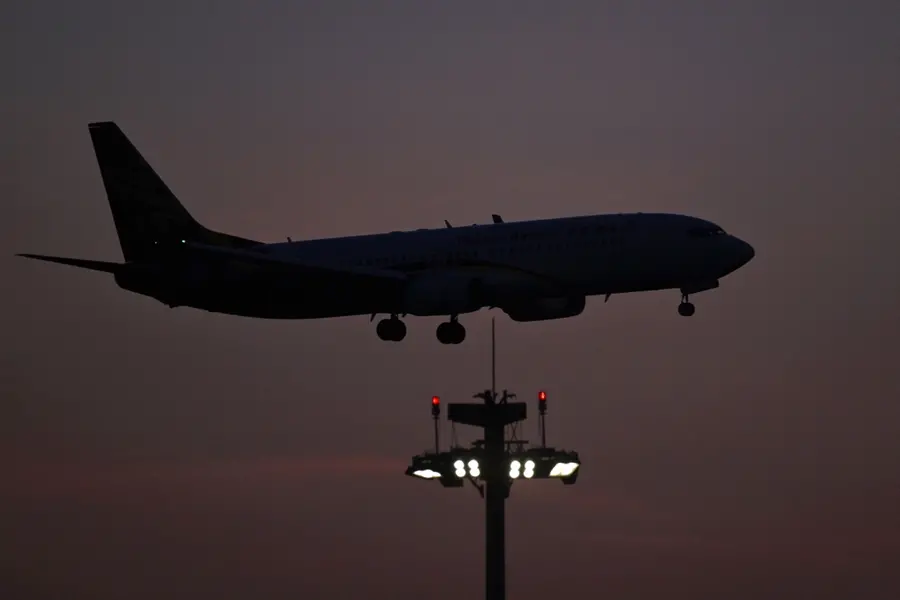
Dubai: The global aviation industry is facing an unprecedented crisis as the escalating conflict in Iran forces the closure of the world’s most critical transit hubs. Tens of thousands of travellers are currently stranded after major airports in Dubai, Doha, and Abu Dhabi were forced to halt or severely restrict operations.
Major hubs grounded
The Middle East has long served as the "bridge" between the East and West. With that bridge currently broken, the impact on global connectivity is massive. Emirates and Etihad Airways are currently operating on "limited" or "reduced" schedules, while Qatar Airways said until March 28, it would operate a revised limited number of flights.
Airlines Suspend Operations (Current status):
The disruption spans nearly every major international carrier. Here is the latest status for key regions:
Delta Air Lines has paused all Tel Aviv flights until at least August, while Air Canada has suspended Dubai services through late March.
Lufthansa Group (including Swiss and Austrian Airlines) has cancelled flights to Dubai, Abu Dhabi, and Amman until March 28, while extending the suspension for Tehran until the end of April. British Airways and Air France-KLM have followed suit with massive cancellations across the Gulf.
Singapore Airlines and Cathay Pacific have suspended Dubai and Riyadh flights through April 30. To help displaced passengers, they have added extra flights to London and Melbourne to provide alternative travel routes.
IndiGo has suspended all flights to major Gulf destinations, including Doha, Kuwait, and Bahrain, until at least March 28.
The safe haven strategy
Because of the risk of strikes on airport infrastructure, several airlines have begun "parking" their billion-dollar fleets at remote facilities in Spain and other parts of Europe. This move is designed to protect aircraft from the drone activity that has already impacted data centers and power grids in Bahrain and the UAE.
What should travellers do?
Aviation experts warn that this disruption could last for months. Budget carriers like Wizz Air have already cancelled certain Middle Eastern routes from mainland Europe until mid-September.
If you have a flight booked through the Middle East, you are advised to:
- Check your airline's app immediately for real-time status updates.
- Avoid booking new flights through the Gulf until regional airspace is officially declared stable.
- The war has not only grounded planes but has also triggered a spike in ticket prices as airlines are forced to fly longer, more expensive routes to avoid the conflict zone.
Published: 24 Mar 2026, 02:53 pm IST
Related Topics
Disclaimer: Kindly avoid objectionable, derogatory, unlawful and lewd comments, while responding to reports. Such comments are punishable under cyber laws. Please keep away from personal attacks. The opinions expressed here are the personal opinions of readers and not that of Mathrubhumi.
