India’s mega dam to counter China? Why Arunachal Pradesh is pushing back
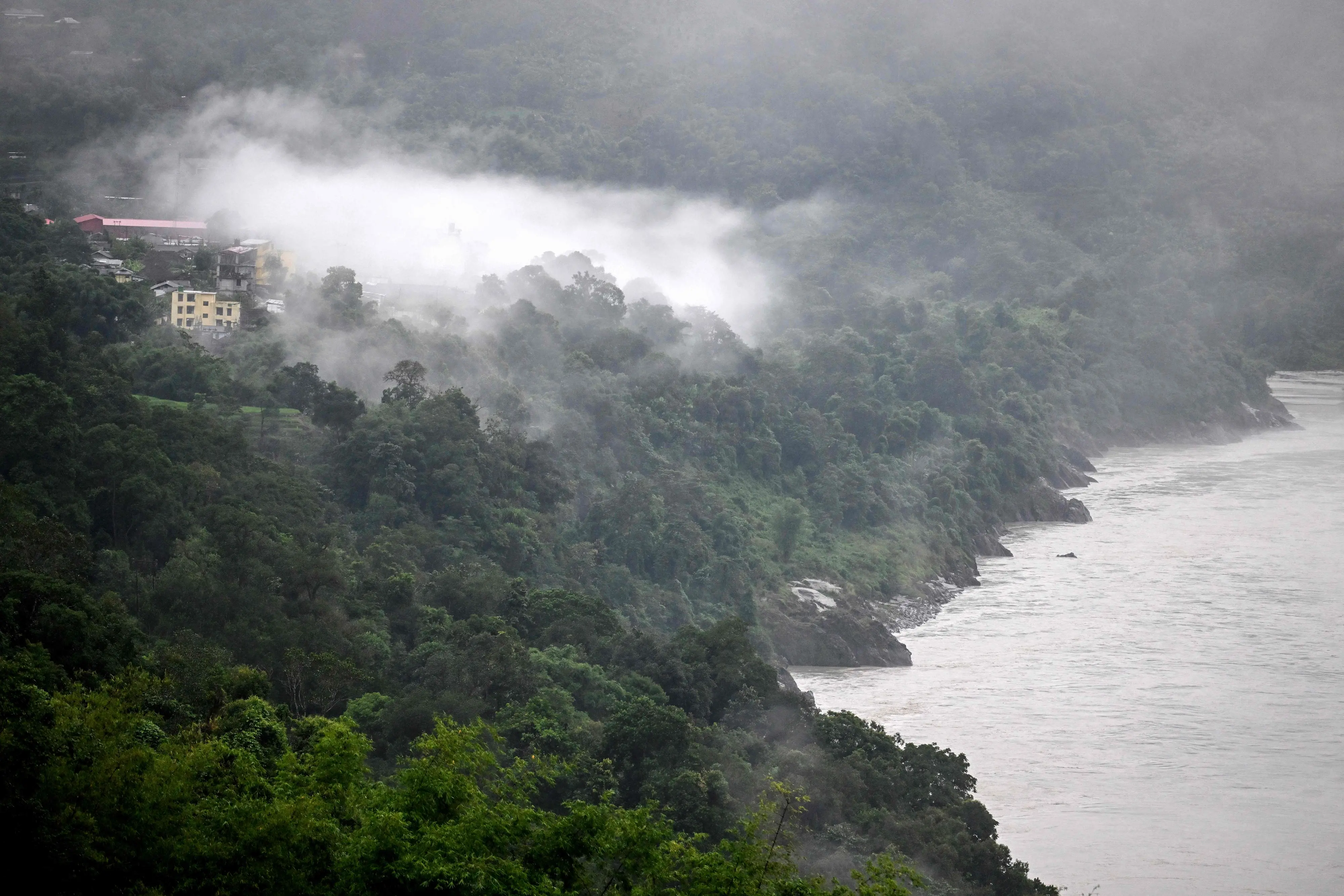
Itanagar: India’s proposed mega dam on the Siang river in Arunachal Pradesh has become the centre of a growing dispute over national security, environmental risks and the rights of indigenous communities.
The proposed 11,200-megawatt Siang Upper Multipurpose Project (SUMP) is intended to provide large-scale hydropower capacity and water-storage infrastructure. The government also views it as a strategic measure amid China’s construction of a major hydropower project on the Yarlung Tsangpo river in Tibet, which enters India as the Siang before becoming part of the Brahmaputra river system.
However, sections of the indigenous Adi community have strongly opposed the project. Residents fear that a large reservoir could affect ancestral land, agricultural livelihoods, local ecosystems and cultural sites. They have also questioned the safety of constructing a mega dam in a seismically active Himalayan region.
Pema Khandu calls for transparency and dialogue
On October 25, Arunachal Pradesh Chief Minister Pema Khandu held meetings with legislators and representatives of the Arunachal Indigenous Tribes Forum (AITF) and community-based organisations to discuss the project.
In a post on X, Khandu said misinformation and misconceptions about SUMP were creating apprehension among residents. He called for facts, transparency and open dialogue to address the information gap and help people understand the project's strategic importance and the concerns surrounding it.
The discussions covered national security, environmental considerations and the aspirations of people living in the Siang Valley. The meetings came amid continuing protests and heightened tensions in the region.
Why India wants to build the Siang dam
The government's argument is closely linked to developments across the border in Tibet.
China began construction in July 2025 on a major hydropower project in the lower reaches of the Yarlung Tsangpo. The proposed Chinese project has an estimated generation capacity of around 60,000 MW, making it substantially larger in planned capacity than India's proposed Siang project.
The river flows through Tibet before entering Arunachal Pradesh as the Siang. It then joins other rivers to form the Brahmaputra, which flows through Assam and Bangladesh.
Indian policymakers are concerned about the potential downstream implications of large infrastructure on a transboundary river. A major upstream project could affect the timing and management of water releases, although the extent of any impact would depend on how the project is designed and operated.
The proposed SUMP is intended to provide substantial storage capacity, support electricity generation and potentially help manage variations in river flow. Supporters also argue that it could strengthen India's preparedness against possible changes in upstream water management.
These objectives are part of the government's strategic case for the project. They do not, by themselves, establish that the dam would prevent or fully offset any disruption caused by China's project.
Why the Adi community is opposing the project
For many residents in the Siang Valley, the debate is about more than electricity or relations with China.
Sections of the Adi community fear that the proposed reservoir and associated infrastructure could submerge or affect ancestral land, displace residents, disrupt farming and damage culturally significant places connected to the river.
Opponents have also raised concerns about the ecological consequences of a large dam in a region vulnerable to earthquakes and other geological hazards.
Community organisations have questioned whether local people have been adequately consulted and whether household-level support can represent the views of entire villages and traditional institutions.
The Adi Banne Kebang, a community organisation, has demanded that the project be scrapped and its pre-feasibility report rejected. The Siang Indigenous Farmers Forum has also opposed the survey process, arguing that allowing preliminary studies to proceed could pave the way for a project that residents do not want.
Some protesters have further objected to the police response to demonstrations and called for engagement through traditional village institutions.
Protests turn violent, security forces deployed
Opposition to the project has led to protests and confrontations in the Siang region.
On October 23, a 12-hour bandh in Siang, Upper Siang and East Siang districts was followed by violence in Pasighat. Reports said an office of the National Hydroelectric Power Corporation (NHPC), a police station and properties linked to local political leaders were targeted. Police personnel were also reported injured.
The Centre subsequently deployed two additional companies of the Central Reserve Police Force's Rapid Action Force, comprising around 250 personnel, to the region.
The incidents marked an escalation in an already tense dispute. The concerns raised by local communities remain distinct from the acts of vandalism and arson reported during the unrest; peaceful opposition and violence should not be treated as the same thing.
Has the government approved construction?
The proposed project remains at the pre-feasibility report (PFR) stage, according to the state government's position.
A pre-feasibility study examines whether a project may be technically and geographically viable. It can consider potential locations, geological conditions, seismic risks and other factors. It is not the same as final approval to construct a dam.
Khandu has said that a final decision on construction has not been taken and that the project would not proceed beyond the feasibility stage if experts found it unsuitable. Further steps, if the proposal advances, would involve detailed project planning, environmental and social impact assessments, statutory clearances and consultations with affected communities.
Opponents, however, want survey activities halted and more meaningful consultation before the process moves forward. This difference over whether preliminary studies should continue has become a central point of conflict.
Can the Indian dam counter China's project?
The dispute highlights a difficult question: how can India prepare for possible changes in upstream river management without overlooking the risks faced by communities living where the dam would be built?
1. China's project is a strategic concern, but its impact on river flows is uncertain.
China's planned hydropower project has an estimated capacity of 60,000 MW. However, the Brahmaputra receives substantial additional water from rainfall and tributaries as it flows through India and neighbouring regions. Estimates of Tibet's contribution to the river's total flow vary, so claims that China could simply “turn off the tap” oversimplify the hydrology.
2. A large reservoir does not automatically guarantee protection.
The Indian project has been proposed with around 9.2 billion cubic metres of live storage. Its potential to regulate flows would depend on the final design, operating arrangements, river conditions and the nature of any upstream changes. Its effectiveness cannot be established by comparing storage figures alone.
3. Environmental and community concerns require independent assessment.
The Himalayan region is seismically active, making geological and dam-safety assessments important. Any decision would also need to consider potential displacement, biodiversity, livelihoods, cultural heritage and downstream effects. These are questions for detailed studies and meaningful consultation, not assumptions that can be settled by the project's strategic rationale alone.
4. The immediate challenge is restoring trust.
The government has called for dialogue, while opponents want the surveys halted and stronger assurances for affected communities. The key questions are whether residents will have a meaningful say in the process, how risks will be independently assessed, and whether the project can demonstrate clear benefits that justify its social and environmental costs.
The central issue is therefore not simply whether India needs a dam in response to China. It is whether the proposed project can meet its strategic objectives while adequately protecting local communities and the wider river system.