
Asaphila and Longju in Arunachal Pradesh remain sensitive areas along the India-China border due to differing perceptions of the Line of Actual Control (LAC). However, the situation on the ground remains stable, with no violent clashes reported, while military communication channels and infrastructure development continue to support border management.
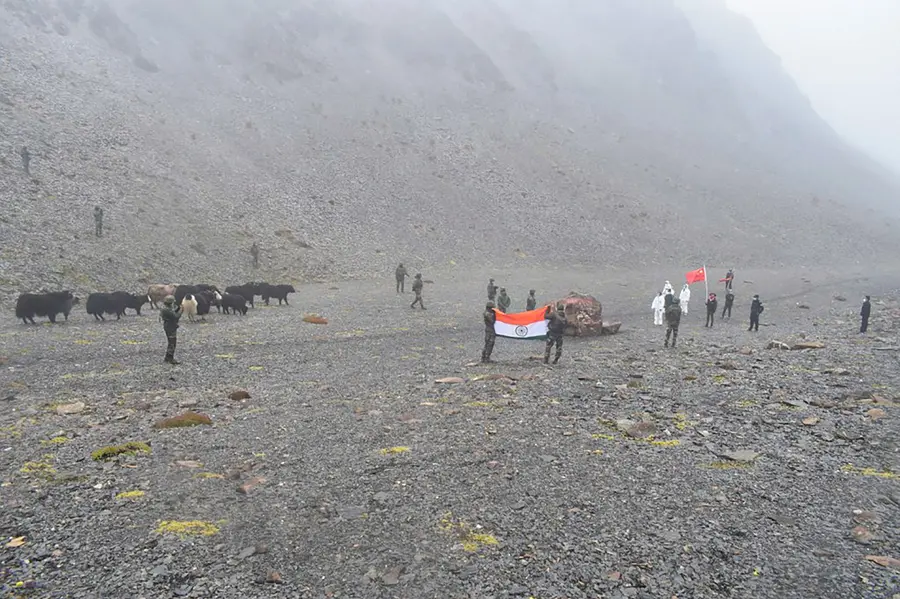
Arunachal Pradesh: Two sensitive border pockets in Arunachal Pradesh’s Taksing Circle remain under close monitoring amid differing Indian and Chinese perceptions of the Line of Actual Control (LAC). However, defence sources told India Today that the ground situation remains stable, with no reports of violent clashes between troops.
The border pockets of Asaphila and Longju in Arunachal Pradesh’s Taksing Circle remain sensitive because India and China have differing perceptions of the Line of Actual Control (LAC), according to defence sources cited by India Today on October 24, 2026.
Despite periodic friction during routine patrols, the overall situation in the two areas remains stable and under control, the sources said. No violent clashes between Indian and Chinese military personnel have been reported in these sectors, they added.
The two locations are part of the wider India-China border dispute, in which differences over the alignment of the LAC can lead to patrol encounters and localised face-offs.
Military communication channels help manage tensions
According to the report, local face-offs in Asaphila and Longju are being managed through established military communication mechanisms. These include flag meetings and hotline communications intended to help commanders address disagreements and prevent encounters from escalating.
The sources also referred to a Corps Commander-level interaction in the Northeast, describing it as an important step towards institutionalising high-level military dialogue in the region.
Such communication channels are intended to maintain operational control and reduce the risk of incidents in areas where the two countries have different perceptions of the boundary.
Officials cited in the report stressed that sustained engagement between India and China remains important for maintaining peace along the border. They also noted that local military mechanisms cannot, by themselves, resolve the broader boundary dispute, which requires continued diplomatic engagement and negotiations.
Infrastructure development in remote border villages
Alongside security measures, infrastructure development is continuing in remote frontier areas, according to the defence sources.
The initiatives include all-weather roads, bridges, telecommunications networks and civic amenities intended to improve connectivity for security forces and local communities.
Better roads and communication links can help authorities maintain access to remote locations, improve the delivery of essential services and support economic activity in border villages.
The sources also said improved connectivity could create opportunities for greater self-reliance among residents and potentially facilitate controlled border trade and people-to-people contact in the future. Any such developments would depend on prevailing security conditions and agreement between India and China.
Tsari pilgrimage and cultural links
The region also has cultural and religious significance because of the historic Tsari pilgrimage circuit, which is sacred to Buddhist communities on both sides of the border.
According to the report, sustained stability could create opportunities to explore cross-border access for pilgrimage in the future. However, such arrangements would require suitable security conditions and agreement between the two countries.
The possibility remains conditional, and the report does not indicate that cross-border pilgrimage access has been approved or scheduled.
Army’s role in supporting local communities
Defence sources also highlighted civil-military initiatives undertaken in remote frontier areas. These include healthcare camps, emergency evacuations, school construction and employment opportunities for local residents.
Such activities are intended to improve access to essential services in geographically isolated communities, where difficult terrain and limited connectivity can make healthcare, education and emergency assistance harder to access.
The sources said the continued presence of the armed forces has supported engagement with residents in remote tribal areas. These initiatives also form part of broader efforts to improve living conditions and connectivity in frontier villages.
The report said the situation in Asaphila and Longju continues to be monitored amid wider efforts to manage India-China border differences through established communication channels and sustained engagement.
Although no violent clashes have been reported in the two pockets, their sensitivity reflects the unresolved differences between the countries over the LAC.
Why Asaphila and Longju matter in India-China relations
The situation in Asaphila and Longju illustrates the distinction between maintaining stability on the ground and resolving the wider India-China boundary dispute.
First, differing perceptions of the LAC remain a source of friction. When Indian and Chinese forces interpret the line differently, routine patrols can enter areas claimed or patrolled by the other side. Such encounters may create local tensions even when neither side intends to initiate a confrontation.
Second, communication mechanisms are important for preventing escalation. Flag meetings, hotlines and exchanges between military commanders provide channels to address face-offs. Their effectiveness depends on both sides continuing to use these mechanisms and exercising restraint.
Third, infrastructure has both security and civilian significance. Roads, bridges and telecommunications improve access for security personnel, but they can also help residents obtain healthcare, education and other services. Development in remote border areas therefore has implications beyond military preparedness.
Finally, local stability does not mean the boundary dispute has been settled. The absence of reported clashes in these sectors is a positive indicator of immediate stability, but a lasting settlement would require progress on the broader boundary question through diplomatic and military engagement.
For now, the key indicators to watch are whether patrol encounters remain peaceful, whether military communication channels continue to function and whether dialogue between India and China advances alongside infrastructure development in border areas.
Published: 24 Oct 2026, 10:46 am IST
ABOUT THE AUTHOR

Related Topics
Disclaimer: Kindly avoid objectionable, derogatory, unlawful and lewd comments, while responding to reports. Such comments are punishable under cyber laws. Please keep away from personal attacks. The opinions expressed here are the personal opinions of readers and not that of Mathrubhumi.