
Scientists discover evidence of a prehistoric 19-metre octopus that used "advanced brain function" and crushing jaws to dominate ancient seas.
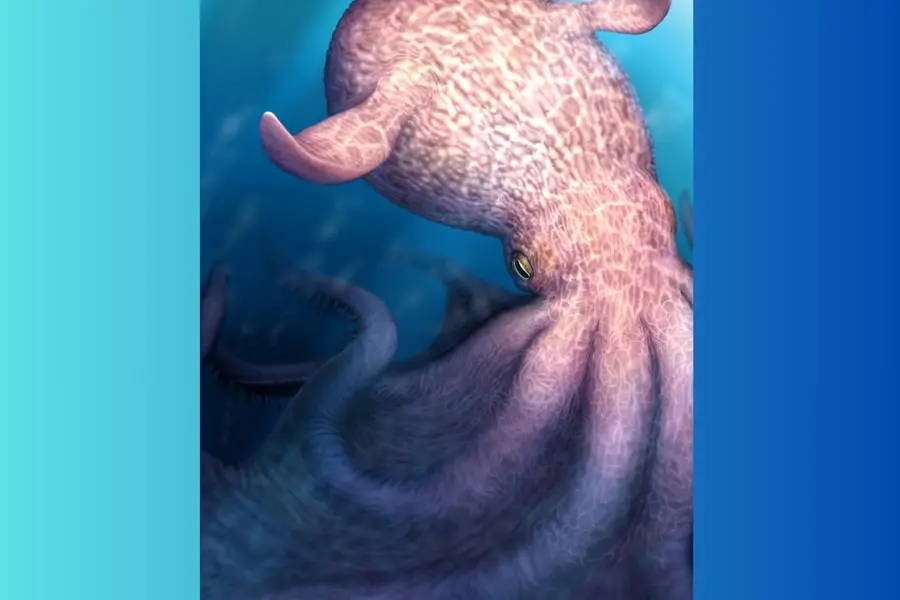
Step aside, Mosasaurs (extinct carnivorous marine reptiles)—a new titan has emerged from the prehistoric depths. Compelling new research suggests that 100 million years ago, the ancient oceans were patrolled by colossal octopuses reaching staggering lengths of up to 19 metres.
While paleontologists once relegated invertebrates to "supporting roles" behind massive prehistoric fish and reptiles, a study from Hokkaido University is flipping the script. By analysing remarkably preserved fossilised jaws, researchers have uncovered evidence of a predator so large it may claim the title of the largest invertebrate ever known to science.
A brainy, one-sided assassin
These ancient cephalopods (head-foot) weren't just big; they were sophisticated. The study estimates a body size of 1.5 to 4.5 metres, but once you factor in their massive, powerful arms, their total reach spans a staggering 7 to 19 metres.
Interestingly, the wear and tear on the fossilised jaws is asymmetrical. This "left or right-handed" feeding preference is a trait often linked to advanced brain function. Modern octopuses are already celebrated for their problem-solving skills, and it seems their ancestors were just as mentally sharp.
The ultimate opportunist
With beak-like jaws designed to crush bone and shell, these giants likely hunted large fish and marine reptiles. Christian Klug, a paleontologist at the University of Zurich, noted their lethal efficiency: "With their tentacles and their suckers they could perfectly hold on to such an animal and there is no escape."
While we don't have "smoking gun" evidence of their last meal, Dr Nick Longrich from the University of Bath suggests they likely feasted on ammonites but remained opportunistic. "It's going to take a while before we figure this thing out," he admitted. "It's a bit of a mystery."
This discovery, recently published in the journal Science, offers a haunting glimpse into an era where the most dangerous thing in the water might have been a 60-foot, hyper-intelligent "Kraken”.
Published: 25 Apr 2026, 09:45 am IST
Related Topics
Disclaimer: Kindly avoid objectionable, derogatory, unlawful and lewd comments, while responding to reports. Such comments are punishable under cyber laws. Please keep away from personal attacks. The opinions expressed here are the personal opinions of readers and not that of Mathrubhumi.
