
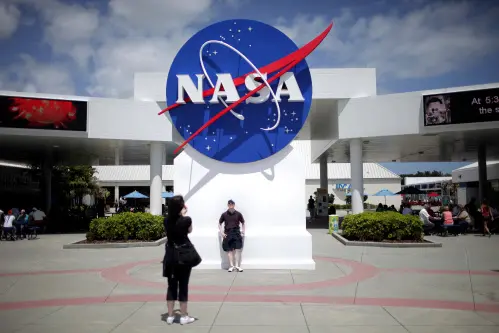
Over 50 years after astronauts from NASA’s Apollo missions left behind 96 bags of human waste on the lunar surface, the agency has launched the LunaRecycle Challenge to find technologies that can recycle this material into usable resources. The challenge invites global innovators to turn solid waste—including faeces, urine, and vomit—into essential inputs like water, energy, or fertiliser for long-term lunar missions.
Between 1969 and 1972, astronauts jettisoned waste on the Moon to conserve space in lunar modules. These bags remain untouched, but now present a challenge and opportunity for sustainable exploration.
As NASA’s Artemis programme targets permanent lunar presence, waste recycling is crucial. The LunaRecycle initiative seeks solutions that are energy-efficient, compact, and operable in lunar environments. The systems should minimise hazards, support closed-loop life support, and reduce Earth dependency.
While aimed at space, the technologies could also benefit Earth—particularly in remote or disaster-hit areas with limited waste infrastructure.
The challenge closed to entries on March 31, 2025, and is currently in the judging phase. The winning team will receive $3 million and potential collaboration on future Moon missions.
NASA’s waste recycling challenge marks a shift in viewing space waste not as refuse, but as a valuable resource for survival and sustainability—on the Moon and beyond.
Published: 12 Apr 2025, 12:14 pm IST
Disclaimer: Kindly avoid objectionable, derogatory, unlawful and lewd comments, while responding to reports. Such comments are punishable under cyber laws. Please keep away from personal attacks. The opinions expressed here are the personal opinions of readers and not that of Mathrubhumi.
