
The MiG-21, inducted in the early 1960s, was a cornerstone of the IAF's combat capabilities, playing a pivotal role in key conflicts
Chandigarh: In a deeply symbolic ceremony marking the end of a historic chapter in Indian military aviation, the Indian Air Force (IAF) on Thursday de-inducted its legendary MiG-21 fighter jet, India’s first supersonic aircraft that served the nation for over six decades.
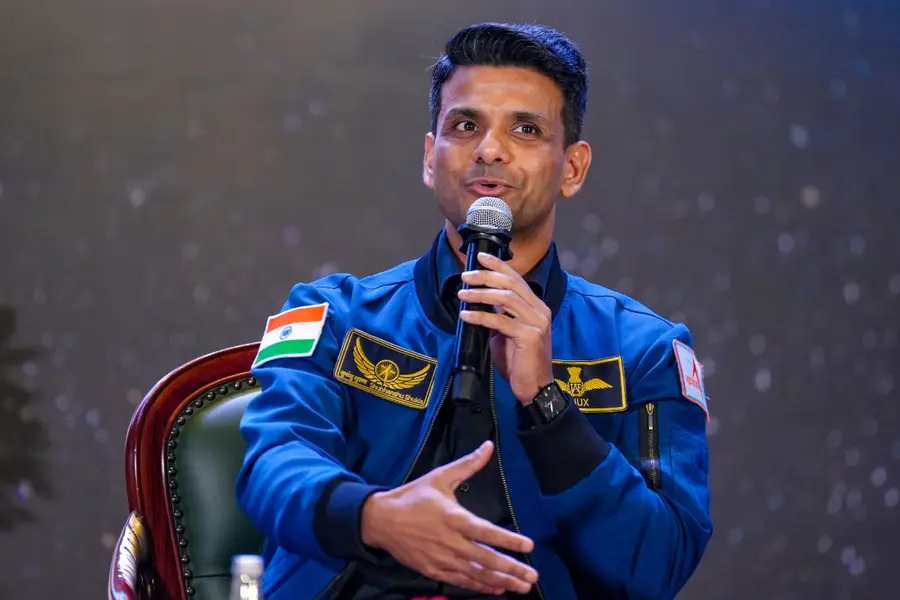
Among those in attendance at the MiG-21 Operational Flying Culmination Ceremony at the Chandigarh Air Force Station was Group Captain Shubhanshu Shukla, now part of India’s astronaut corps. Once a MiG-21 pilot himself, Shukla reflected on the powerful personal connection many aviators have with the aircraft.
“I will forever remember it. Your life moves ahead with the aircraft that you fly. For me, it is a personal journey of my growth with the aircraft, so I feel great to be here as we bid goodbye to this iconic aircraft,” he said.
MiG-21
The MiG-21, inducted in the early 1960s, was a cornerstone of the IAF's combat capabilities, playing a pivotal role in key conflicts, including the 1971 Indo-Pak war. With its sleek delta-wing design and blistering speed, the aircraft quickly earned a reputation as a formidable fighter in the skies.
At its operational peak, the IAF flew over 800 MiG-21s, making it one of the largest operators of the Soviet-origin jet. Generations of Indian fighter pilots were trained on it, many of whom went on to become test pilots, Air Chiefs, and astronauts — including Group Captain Shukla.
While the MiG-21 enjoyed iconic status for decades, its later years were clouded by safety concerns, as ageing airframes led to several accidents. The aircraft, though revered, earned the unfortunate nickname of being a ‘flying coffin’ in public discourse.
Recognising the need for modernisation, the IAF began phasing out the MiG-21 in stages. Thursday’s ceremony marked the formal closure of operations for the last active squadron of the fighter.
Published: 26 Sept 2025, 08:07 pm IST
Related Topics
Disclaimer: Kindly avoid objectionable, derogatory, unlawful and lewd comments, while responding to reports. Such comments are punishable under cyber laws. Please keep away from personal attacks. The opinions expressed here are the personal opinions of readers and not that of Mathrubhumi.
