
Women Indian Air Force officers challenging denial of Permanent Commission get temporary relief as Delhi High Court orders status quo on discharge.
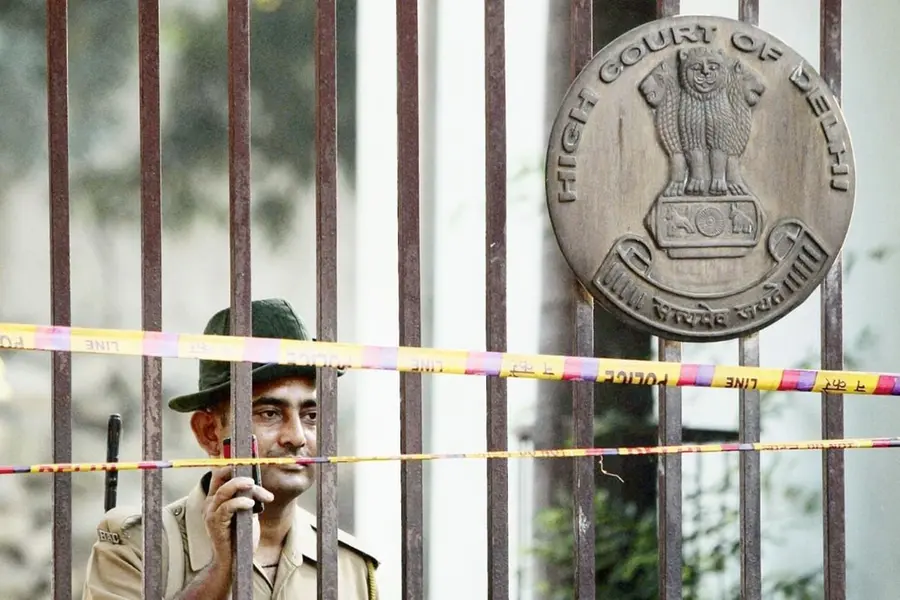
In a major development for women officers serving in the Indian Air Force (IAF), the Delhi High Court on Monday halted the discharge of a group of Short Service Commission (SSC) officers who are contesting the denial of Permanent Commission (PC).
The court directed that the officers should continue in service until their case is taken up by the roster bench on July 1, providing immediate relief to personnel who claim they were facing release from service despite ongoing legal proceedings.
Why are the women officers challenging the Air Force?
The dispute centres on the Air Force's decision to reject the officers' applications for Permanent Commission, a status that allows personnel to serve until retirement and build a long-term military career.
The petitioners argue that discharge orders were issued even though they were protected by earlier judicial directions and were actively pursuing legal remedies against the denial of Permanent Commission.
According to the officers, the issue is not merely about service continuation but about the manner in which their applications were considered and subsequently rejected.
During the hearing, the officers' legal representatives alleged that the Air Force moved swiftly to issue discharge orders while both the Delhi High Court and the Armed Forces Tribunal (AFT) were not functioning due to vacation schedules.
The petitioners told the court that release orders dated June 3 were issued before their pending applications could be effectively heard by the tribunal.
When the High Court sought clarification on why the officers had approached it instead of other forums, counsel explained that they had initially pursued relief before the Armed Forces Tribunal following directions issued by the Supreme Court.
However, with the tribunal unable to hear the matter before the discharge process advanced, the officers approached the High Court seeking urgent intervention.
Supreme Court protection at the centre of the dispute
A key argument advanced by the petitioners relates to earlier orders passed by the Supreme Court.
The officers contended that while the apex court had allowed affected personnel to challenge the rejection of Permanent Commission through appropriate legal channels, it had also ensured protection against discharge while such proceedings remained unresolved.
They argued that the Air Force's decision to proceed with release orders undermined the spirit of that protection and risked rendering their legal challenge ineffective.
Officers say their cases differ from earlier batches
The petitioners further maintained that their cases should not be treated on par with officers whose Permanent Commission applications were rejected in earlier years.
One officer told the court that although she was commissioned in 2013, her case for Permanent Commission was considered only in 2023 before being turned down.
The officers have also raised questions over provisions of the Air Force's 2019 human resource policy governing the grant of Permanent Commission to women SSC officers, arguing that aspects of the policy require judicial scrutiny.
Published: 29 Jun 2026, 03:19 pm IST
Related Topics
Disclaimer: Kindly avoid objectionable, derogatory, unlawful and lewd comments, while responding to reports. Such comments are punishable under cyber laws. Please keep away from personal attacks. The opinions expressed here are the personal opinions of readers and not that of Mathrubhumi.
