
A report has indicated internal differences at OpenAI, where CFO Sarah Friar has raised concerns over the company’s readiness for a potential IPO planned as early as 2026 by CEO Sam Altman.
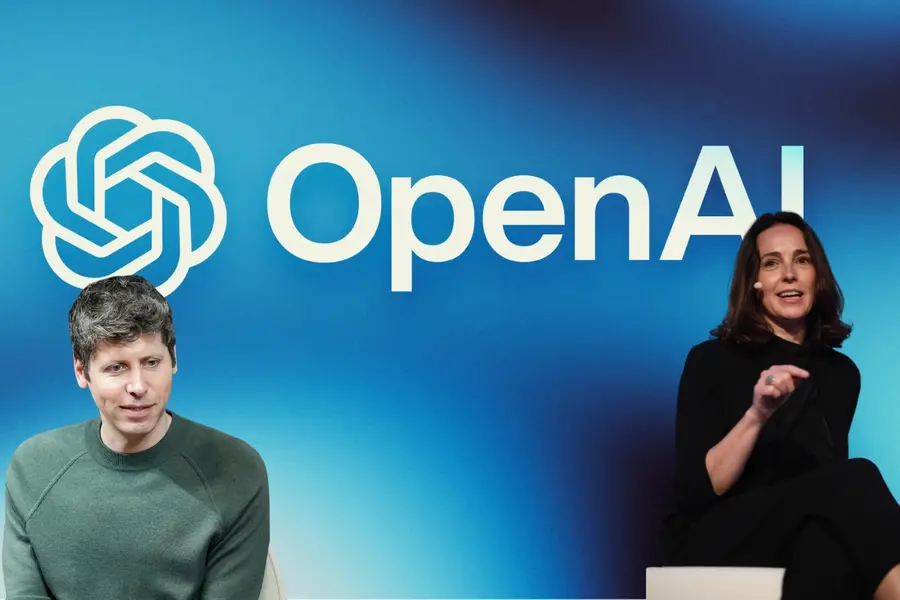
Recent reports indicate that discussions within OpenAI have revealed differing viewpoints among senior leadership regarding the timing of a potential initial public offering (IPO).
Chief Financial Officer Sarah Friar is reported to have raised concerns about whether the company will be fully prepared to enter public markets by 2026, a timeline associated with plans discussed by Chief Executive Officer Sam Altman.
Also Read

Friar’s reported position emphasises caution, particularly around organisational readiness, regulatory compliance, and the maturity of internal processes required for a public listing. An IPO of this scale would require robust financial controls, transparent reporting systems, and governance structures capable of withstanding scrutiny from regulators and investors.
Operational readiness and organisational scaling
A key factor behind the caution is the complexity involved in scaling OpenAI’s internal operations. Preparing for an IPO involves more than financial performance; it requires alignment across departments, standardisation of reporting practices, and long-term stability in decision-making structures.
Reports suggest that Friar has indicated that certain procedural and organisational elements are still being developed. These include internal coordination across teams, financial planning frameworks, and systems designed to ensure accountability at scale. Such preparations are considered essential for companies transitioning from private to public ownership.
Capital commitments and infrastructure spending
Another major area of focus is OpenAI’s substantial financial commitments. The company is investing heavily in computing infrastructure required to train and deploy advanced artificial intelligence systems. These investments involve long-term agreements for access to high-performance hardware and cloud capacity.
OpenAI has reportedly committed to significant spending over the coming years, including large-scale procurement of AI servers. These commitments are tied closely to its partnerships with major technology firms such as Microsoft, Amazon, and NVIDIA, which play key roles in providing cloud infrastructure, computing platforms, and specialised chips.
While such investments are central to maintaining competitiveness in the AI sector, they also raise questions about long-term financial sustainability and the balance between capital expenditure and revenue generation.
Revenue growth and financial sustainability
OpenAI is reported to be generating substantial recurring revenue, with estimates suggesting monthly revenues in the billions. However, the company’s spending requirements are also considerable, driven primarily by infrastructure costs and ongoing model development.
The relationship between revenue growth and capital expenditure is a critical consideration in IPO readiness. For public market investors, visibility into profitability, cash flow, and long-term financial planning is essential. Concerns reportedly raised internally relate to whether revenue growth will keep pace with the scale of planned investments.
Funding, valuation, and investor structure
OpenAI recently completed a major funding round involving significant committed capital, contributing to a valuation in the hundreds of billions of dollars. The investor base includes a mix of financial backers and strategic partners who also supply essential infrastructure.
This dual role of certain partners—acting both as investors and service providers—adds complexity to financial planning and risk management. It creates interdependencies that must be carefully structured to ensure operational continuity while maintaining financial independence and transparency.
Leadership dynamics and internal structure
Reports also suggest that internal leadership dynamics may be evolving alongside these strategic discussions. The reporting structure of the CFO, as well as participation in high-level financial meetings, has been cited as areas of interest in understanding how decisions are coordinated within the organisation.
Although public statements indicate alignment on long-term objectives, internal differences in approach—particularly regarding IPO timing and capital allocation—highlight the challenges of managing a rapidly scaling technology company operating in a highly competitive and capital-intensive sector.
Broader implications for the AI industry
OpenAI’s situation reflects broader trends in the artificial intelligence industry, where companies are investing heavily in infrastructure to support increasingly advanced models. The scale of required capital, combined with rapid technological development, is shaping how such companies approach funding, partnerships, and potential public listings.
The outcome of OpenAI’s internal discussions on IPO timing and financial strategy may influence not only its own trajectory but also expectations for other AI-focused companies considering similar transitions to public markets.
Published: 06 Apr 2026, 01:56 pm IST
Related Topics
Disclaimer: Kindly avoid objectionable, derogatory, unlawful and lewd comments, while responding to reports. Such comments are punishable under cyber laws. Please keep away from personal attacks. The opinions expressed here are the personal opinions of readers and not that of Mathrubhumi.