
PM Modi praised India’s digital transformation over the past decade, highlighting initiatives like the JAM trinity, UPI, GeM, and e-NAM as transformative tools.
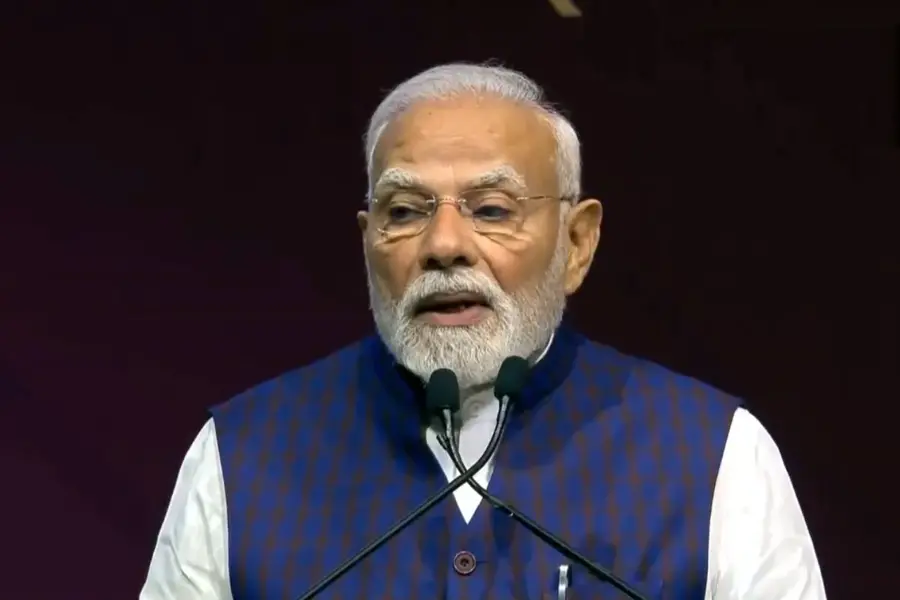
New Delhi: Prime Minister Narendra Modi on Monday underscored India’s digital transformation over the past decade, citing initiatives such as the Jan Dhan–Aadhaar–Mobile (JAM) trinity, Unified Payments Interface (UPI), Government e-Marketplace (GeM) and the National Agriculture Market (e-NAM).
Sharing an article on X written by Minister of State Rao Inderjit Singh, Modi said: “India’s digital decade is not just about technology, but about transformation and the story is just beginning.”
In the article, Singh described India’s digital revolution as “nothing short of extraordinary,” evolving from targeted interventions into a sweeping transformation that has reshaped governance, the economy, education, healthcare, commerce and rural livelihoods.
He credited bold policymaking, cross-ministerial collaboration and inclusive growth as key drivers, with line ministries executing large-scale projects and NITI Aayog steering policy and innovation.
''This Journey has not been accidental. It has been carefully stewarded by the Government of India through a combination of bold policymaking, cross-ministerial collaboration, and a commitment to inclusive growth. While the line ministries such as the Ministry of Electronics and Information Technology (Meity), the Ministry of Finance (MoF), the Ministry of Agriculture, and others have executed large-scale projects on the ground, NITI Aayog has served as the policy engine, fostering convergence, driving thought leadership, and nudging the system toward scalable, citizen-first Innovations, the article explains'', the minister wrote.
A turning point came with the rollout of the JAM trinity, which enabled over 55 crore people to open bank accounts, providing direct access to welfare transfers and reducing reliance on middlemen. Singh highlighted the example of a single mother in Odisha who received benefits directly into her account, a story mirrored across India.
This wave of financial inclusion, supported by Aadhaar and mobile penetration, laid the foundation for a fintech boom, the article said.
The UPI, developed by the National Payments Corporation of India under the Reserve Bank of India’s guidance, was singled out as a game-changer. What started as a peer-to-peer money transfer tool quickly became indispensable for small businesses, gig workers and street vendors.
India now records more than 17 billion UPI transactions each month, with even roadside vegetable sellers accepting digital payments via QR codes.
IANS
Published: 15 Sept 2025, 03:39 pm IST
Disclaimer: Kindly avoid objectionable, derogatory, unlawful and lewd comments, while responding to reports. Such comments are punishable under cyber laws. Please keep away from personal attacks. The opinions expressed here are the personal opinions of readers and not that of Mathrubhumi.
