
Across the globe, the outage caused tangible friction across public services, education, and commerce.
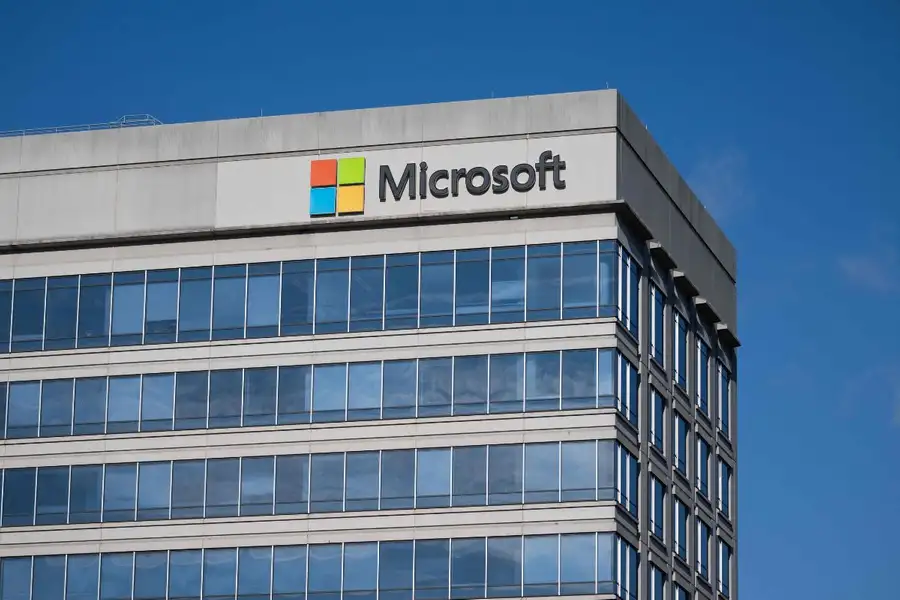
A massive technical disruption swept across Microsoft 365 platforms globally on Thursday, causing widespread email failures and connectivity errors for tens of thousands of professionals and institutions. Users in India also experienced service hiccups starting early Friday morning, joining a worldwide wave of reported outages affecting core workplace tools such as Outlook, Teams, and Copilot.
Microsoft acknowledged the disruption after encountering widespread connectivity issues across its global infrastructure. The company clarified that the disruption stemmed from technical system loads rather than any malicious cyber attack.
Indian users face early morning email glitches
The impact of the global outage reached India on Friday, 13 November, with users registering thousands of service complaints on the tracking platform Downdetector. By 6:55 am Indian Standard Time, reports of disruptions across multiple Microsoft services began climbing steadily.
Microsoft Outlook accounted for the largest share of Indian user complaints, recording 808 reports early in the morning. Core Microsoft 365 applications recorded 230 reports, while workplace messaging platform Microsoft Teams saw 48 reports. Smaller numbers of complaints were also logged for the Microsoft Store with 30 reports and AI assistant Microsoft Copilot with 21 reports.
Many office workers in India found themselves unable to send or receive emails, while others were completely locked out of loading their inboxes altogether as their business day began.
Scale of the worldwide disruption
The disruption initially flared up on Thursday afternoon Eastern Time in the United States before spreading across international regions. Outage monitor Downdetector logged nearly 130,000 reports for Outlook shortly after 1:00 pm Eastern Time (1800 GMT). Although new outage reports eventually dropped to around 50,000 by 4:30 pm Eastern Time (2130 GMT), the operational strain remained substantial.
While Microsoft initially stated that it was investigating reports isolated to the Americas, it later confirmed that the issue could affect Microsoft 365 connectivity for users in any region globally. Earlier in the day, the company noted it had successfully restored Teams connectivity in North America, though some users continued to experience minor connection issues.
The outage disrupted several applications within the Microsoft 365 suite, including Word, Excel, PowerPoint, SharePoint, OneDrive, Teams, and Copilot. While ongoing Teams chats and existing meetings functioned normally for most users, creating new chat channels or scheduling meetings proved difficult due to underlying disruptions in Microsoft Exchange Online.
System update triggers cascading server failure
Engineering analyses confirmed that the outage was triggered by an internal configuration update rather than an external security breach. Microsoft explained that a server problem caused key infrastructure components to fail unexpectedly during automated health checks.
This automated failure triggered a domino effect across the company's network. As affected servers went offline, traffic automatically rerouted onto remaining healthy systems, overwhelming them with unprecedented demand.
Acknowledging the severity of the load, the company posted an official status update on social media platform X: "We've determined a portion of infrastructure is experiencing elevated load across multiple regions, which is likely contributing to the connectivity errors."
To halt the cascading failure, Microsoft engineering teams took immediate defensive measures. In a subsequent update, the company confirmed: "We've paused all deployments, we're moving additional traffic off the affected infrastructure, and we're restarting affected servers to return them to service."
Sector impacts and post-resignation recovery scenarios
Across the globe, the outage caused tangible friction across public services, education, and commerce. In Australia, public sector staff in New South Wales, Tasmania, and Western Australia faced extensive email disruptions. Australia's Federal Police and security service (ASIO) were partially affected, though critical frontline emergency systems remained fully operational.
Courts in Victoria and South Australia experienced email failures, while schools across Tasmania and New South Wales—including those using the cloud platform School Bytes—lost email connectivity, forcing parents to contact school administration offices by phone. Major supermarket chains like Coles and Woolworths maintained normal in-store checkout operations, even though Coles lost internal email access.
Following the initial crisis response, operational leadership shifted focus entirely toward post-resignation scenarios and long-term system recovery rather than individual executive departures. Engineers implemented software rollbacks and traffic throttling to stabilize core architecture. Although servers initially became unresponsive again as user traffic flooded back, Microsoft successfully rolled out an alternative automated health check method to safely return impacted servers to full operation.
Published: 13 Nov 2026, 07:14 am IST


Related Topics
Disclaimer: Kindly avoid objectionable, derogatory, unlawful and lewd comments, while responding to reports. Such comments are punishable under cyber laws. Please keep away from personal attacks. The opinions expressed here are the personal opinions of readers and not that of Mathrubhumi.
