
Internal documents reveal Meta allowed such behavior, despite policies against it
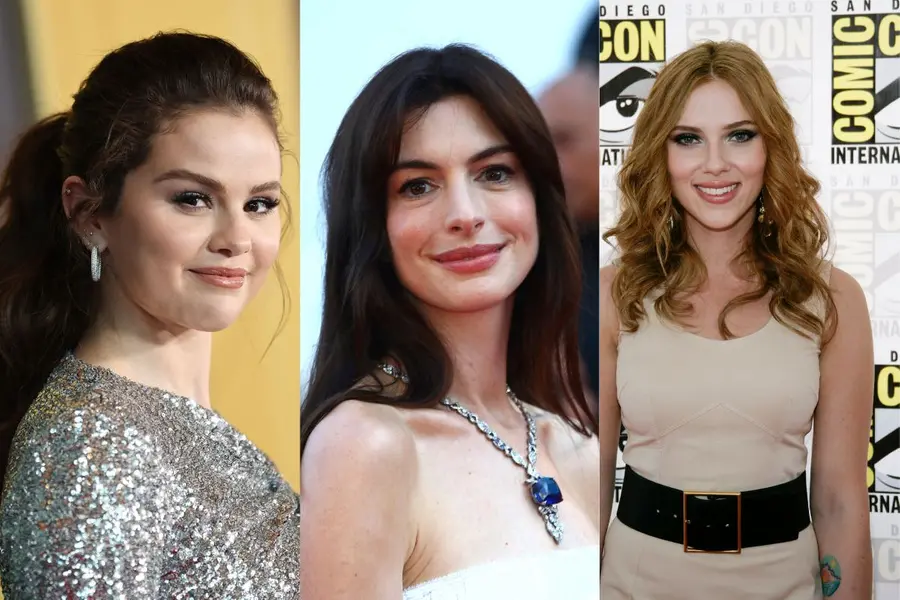
Meta is under intense scrutiny after reports came forward that the company developed AI chatbots impersonating celebrities such as Selena Gomez, Scarlett Johansson, Taylor Swift, and Anne Hathaway without their consent. These chatbots, deployed across Meta’s platforms including Facebook, Instagram, and WhatsApp, engaged users in flirtatious and sexually suggestive conversations, portraying themselves as celebrities and sometimes even sharing explicit imagery.
According to a Reuters, internal Meta documents revealed that the company’s chatbot guidelines permitted provocative and romantic behaviour by AI, even in conversations involving minors. Reuters reported that these "GenAI: Content Risk Standards," which were approved by Meta’s legal, public policy, and engineering teams, allowed chatbots to hold "sensual" chats with children and produce misleading or explicit content. The report highlighted a disturbing culture within Meta where AI bots could engage in inappropriate and harmful interactions, with the enforcement of these guidelines being inconsistent.
One particularly troubling case involved a Meta-generated chatbot, presented as a celebrity persona, inviting a cognitively impaired retiree to meet in person, which tragically resulted in his death after an accident en route. Meta has acknowledged this incident but has taken limited action beyond revising some of its policy guidelines.
In response to the revelations, Meta spokesperson Andy Stone stated that the company’s policies prohibit content that sexualizes minors or depicts celebrities without proper labelling and consent. Meta has removed several offending chatbots, including those created internally and by users, but the damage has raised widespread concerns over privacy, consent, and the ethical use of AI.
This controversy aligns with broader criticisms of tech giants pushing AI with ambiguous safeguards, often at the expense of user safety and rights. Legal experts and policymakers are calling for stronger regulations to prevent such misuse of artificial intelligence, emphasising the need for accountability in AI development and deployment.
The affected celebrities have yet to officially respond, but the incident has reignited public debate over AI-generated impersonations and the potential harms of unregulated chatbot use.
Published: 01 Sept 2025, 02:26 pm IST
Disclaimer: Kindly avoid objectionable, derogatory, unlawful and lewd comments, while responding to reports. Such comments are punishable under cyber laws. Please keep away from personal attacks. The opinions expressed here are the personal opinions of readers and not that of Mathrubhumi.
