
The ‘Clinician of the Future 2025’ report found that 41 per cent of Indian clinicians surveyed had used AI for work-related purposes, placing India ahead of the global average
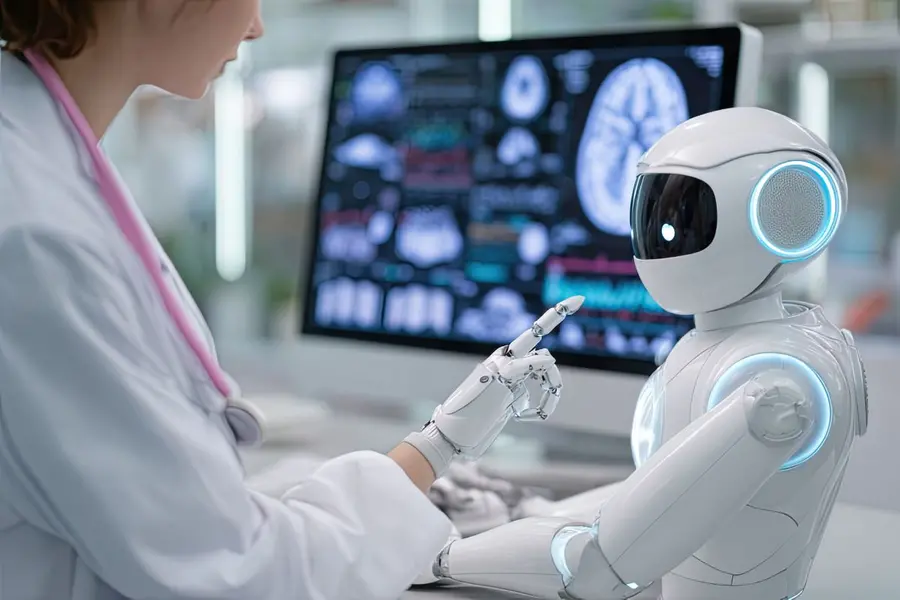
New Delhi : More than 40 per cent of clinicians in India are now using artificial intelligence (AI) technologies in their professional practice — a more than threefold rise from just 12 per cent last year, according to a new report by Elsevier, the Netherlands-based publisher of medical and scientific information.
The ‘Clinician of the Future 2025’ report found that 41 per cent of Indian clinicians surveyed had used AI for work-related purposes, placing India ahead of the global average of 48 per cent, and significantly ahead of the United States (36 per cent) and the United Kingdom (34 per cent). The study surveyed approximately 2,200 clinicians across 109 countries, including about 275 from India.
"India's clinicians are showing remarkable agility and enthusiasm in embracing AI, setting a pace that not only keeps up with but often rivals global leaders," said Shanker Kaul, Chairman of Elsevier Health in India.
While India trails China (71 per cent) and the Asia-Pacific average (56 per cent) in AI usage among clinicians, its rapid year-on-year growth points to a healthcare workforce increasingly open to technological transformation.
Notably, 52 per cent of Indian clinicians surveyed believe most patients will soon self-diagnose using AI — well above the global average of 38 per cent. The report also highlighted a shared optimism among Indian clinicians around a shift towards universal healthcare and health equity, in line with the Indian government’s National Digital Health Blueprint, launched in 2019.
Kaul noted, "This strong optimism creates a tremendous opportunity — one that can be fully realised with the right investment in comprehensive training of healthcare givers to address digital literacy gaps, especially in rural areas, robust governance and forward-thinking policy action."
However, the report also revealed growing pressures within the profession. Around two-thirds of Indian clinicians said they are now seeing more patients than they were two years ago — a figure closely aligned with the global rate of 69 per cent. The sheer volume of patients was the most cited reason for clinicians feeling they lack adequate time to deliver quality care.
Adding to this strain, 20 per cent of Indian clinicians reported they were considering leaving the healthcare profession altogether, compared to a global average of one in three.
Despite the enthusiasm for AI, the report notes that many clinicians feel their institutions are underperforming in areas such as structured training in AI and governance frameworks. While India's digital health policies have been praised, the report emphasises that frontline clinicians are calling for faster, more focused action to reduce bureaucratic burden and build trust in AI tools.
"Our report is a call for government, industry and institutions to unite, amplify the voices of our clinicians and accelerate the digital transformation of the healthcare ecosystem in India," Kaul said.
The findings paint a picture of a healthcare sector at a critical inflection point — where soaring interest in AI meets systemic challenges that must be addressed to realise the full potential of digital health.
(With PTI inputs)
Published: 30 Sept 2025, 02:38 pm IST
Related Topics
Disclaimer: Kindly avoid objectionable, derogatory, unlawful and lewd comments, while responding to reports. Such comments are punishable under cyber laws. Please keep away from personal attacks. The opinions expressed here are the personal opinions of readers and not that of Mathrubhumi.
