
Built with aluminum and carbon fiber, these laptops feature 16GB RAM, 3K OLED touch displays, and powerful Intel or Snapdragon chips with over 45 TOPS NPUs.
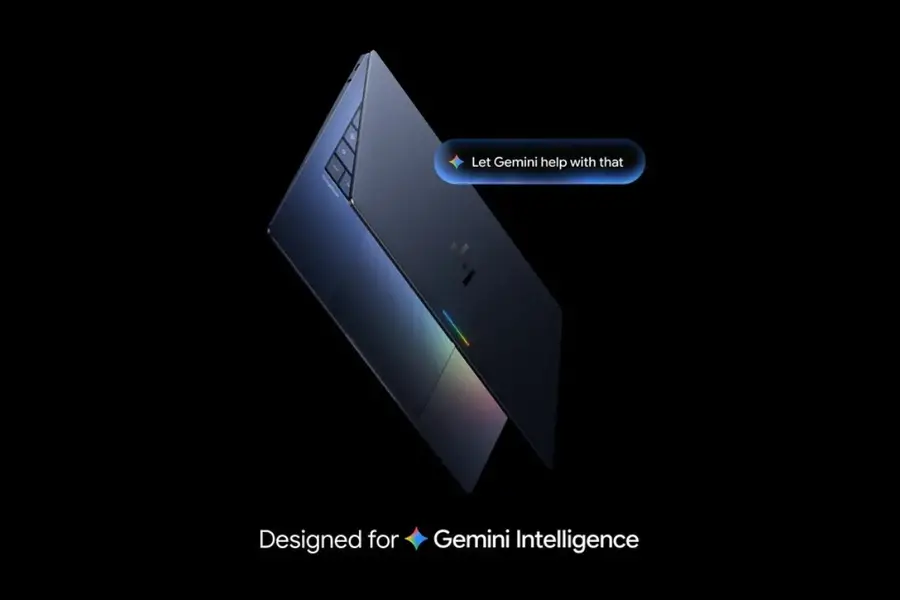
On Monday, 21 September 2026, Google officially unveiled Googlebook, a new category of flagship laptops powered by an Android-based desktop platform called Googlebook OS. The tech giant collaborated with five major hardware partners, Acer, Asus, Dell, HP, and Lenovo, to introduce initial models priced between $899 (approx. Rs 86,000) and $1,299 (approx. Rs 1,24,000). Departing from the budget-focused legacy of ChromeOS, Googlebooks feature premium builds using aluminium and carbon fibre, offering baseline specifications of 16GB RAM, up to 3K OLED touch displays, and neural processing units (NPUs) exceeding 45 TOPS powered by Intel Core Ultra and Snapdragon X Elite chips.
Deep Gemini Intelligence and Hardware Innovations
At the core of the new laptop standard is deep system integration with Google’s Gemini artificial intelligence. The devices introduce interactive software capabilities such as "Magic Pointer", which invokes contextual AI prompts when a user wiggles the cursor over on-screen content, alongside "Rambler", a dictation feature that turns natural speech into formatted notes. Externally, every model includes a signature light strip called the "Glowbar", which serves as a visual indicator for battery levels and animates during real-time interactions with Gemini.
Seamless Mobile Synergy and Chromebook Comparison
Unlike legacy Chromebooks built around web-first cloud architecture, Googlebook merges native Android app execution with full desktop capabilities, including a dedicated Linux terminal. The OS provides multi-device continuity for Android phone users through features such as "Continue On" and "Cast My Apps", which allow users to stream mobile applications directly into desktop windows and access phone storage without manual file transfers. While traditional Chromebooks will remain supported for education and enterprise markets, Googlebook positions Google directly in the high-end consumer hardware space, competing with Apple's MacBook ecosystem through unified software, phone integration, and on-device generative AI.
Published: 22 Sept 2026, 05:32 pm IST
ABOUT THE AUTHOR

Related Topics
Disclaimer: Kindly avoid objectionable, derogatory, unlawful and lewd comments, while responding to reports. Such comments are punishable under cyber laws. Please keep away from personal attacks. The opinions expressed here are the personal opinions of readers and not that of Mathrubhumi.