
Nano banana AI 3D figurines trend in India sparks creativity, privacy concerns and Gemini AI debate.
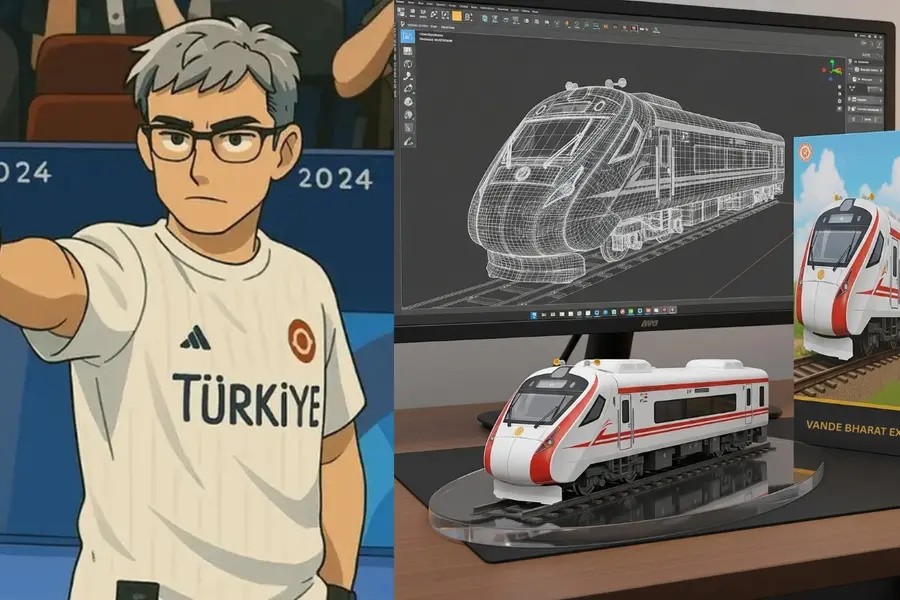
The internet in India has moved from Ghibli-style portraits to a new craze: nano banana AI 3D figurines. Millions are experimenting with quirky designs, but digital activists and privacy experts warn that these seemingly harmless trends could expose users to deeper risks.
The trend began when OpenAI’s GPT-4o update made it easy to turn selfies into Studio Ghibli-style AI images. Soon after, platforms offering nano banana 3D model trends took over social media, turning everyday photos into figurine-like portraits. Social media is now buzzing with retro, vintage, and saree-style AI portraits. Users are turning everyday selfies into stylish digital images, blending nostalgia with modern AI tools.
The craze, powered by Google Gemini and nano banana AI platforms, allows quick transformations that are visually striking and highly shareable. What started as playful figurines has now grown into a trend that merges creativity with fashion and aesthetic expression.
Hidden risks beneath the fun
While these portraits seem harmless, cybersecurity experts warn of significant privacy concerns. Many apps claim to delete photos after use, but the timing and completeness of deletion are rarely clarified. Uploaded images can carry metadata such as location and device details, which could be exploited.
Experts explain that AI portrait generators work by separating the photo from its artistic layer using neural style transfer. While this enables stunning effects, fragments of the original data may remain vulnerable. Hackers could attempt reconstruction, raising the possibility of identity fraud or misuse in deepfake content.
The rapid, shareable nature of these AI tools encourages users to post images without reviewing terms or privacy policies. What appears as harmless fun can normalise silent data collection, later used for advertising, AI training, or surveillance.
A call for caution
Cybersecurity specialists recommend simple precautions: strip metadata before uploading, use unique passwords, and enable two-factor authentication. Policy experts stress that AI platforms should offer clear disclosures and be regularly audited to protect users’ personal data.
With millions of users in India engaging with these AI trends, experts emphasise the need for awareness. Creativity and viral appeal should not come at the cost of privacy or security.
Between fun and risk
The rise of retro, vintage, and saree-style AI portraits highlights a growing tension: while users enjoy creating and sharing visually stunning images, the risks behind the scenes are often overlooked. Until detection tools like SynthID are fully accessible and clearer rules are in place, the divide between harmless fun and exploitation will remain blurred
Published: 13 Sept 2025, 08:42 pm IST
Disclaimer: Kindly avoid objectionable, derogatory, unlawful and lewd comments, while responding to reports. Such comments are punishable under cyber laws. Please keep away from personal attacks. The opinions expressed here are the personal opinions of readers and not that of Mathrubhumi.
