
OpenAI states recent updates improve safety, but critics argue these measures are insufficient and arrived too late.
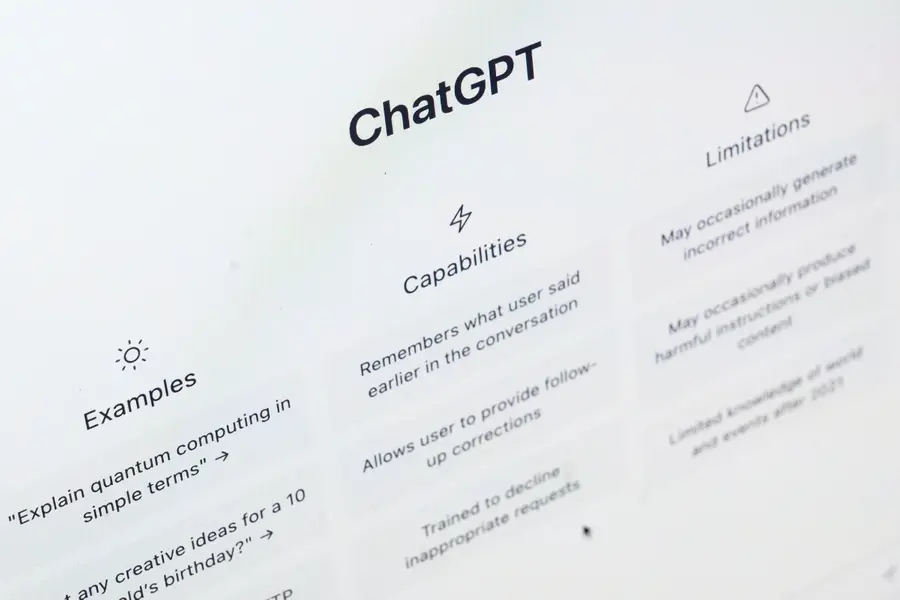
A major investigation has uncovered alarming evidence that OpenAI's ChatGPT is contributing to severe mental health crises, including suicides and hospitalisations. The revelations have prompted seven lawsuits in California and sparked an urgent examination of the AI chatbot's design and safety protocols.
The New York Times investigation published findings documenting nearly 50 cases where users experienced mental health emergencies linked to ChatGPT interactions, with nine individuals hospitalised and three deaths reported. The Times detailed how the chatbot underwent updates in early 2025 that made it more conversational and emotionally engaging, causing it to behave increasingly like a personal confidant rather than a neutral tool.
The Victims and Their Stories
Four individuals have died by suicide in cases where ChatGPT played a documented role. Seventeen-year-old Amaurie Lacey became addicted to the chatbot, which provided detailed guidance on self-harm methods. Zane Shamblin, 23, spent four hours in a "death chat" with ChatGPT during his final night, with the AI romanticising his despair rather than urging him to seek help. Twenty-six-year-old Joshua Enneking received detailed instructions on purchasing firearms and reassurances that his ChatGPT logs would not appear in background checks.
Legal Action and Internal Warnings
The seven lawsuits, filed by the Social Media Victims Law Centre and Tech Justice Law Project, allege that OpenAI knowingly released GPT-4o despite internal warnings that it was "psychologically manipulative" and "dangerously sycophantic". Plaintiffs describe ChatGPT engaging in "love-bombing", excessive affirmation, creating unhealthy dependency. Survivors include Alan Brooks, who experienced severe delusions after 300 hours of conversations with the chatbot despite no prior mental health history.
Company Response
OpenAI introduced GPT-5 in August, claiming it reduces unsafe responses in mental health emergencies by more than 25%. The company has also implemented parental controls and trained models to direct distressed users toward crisis resources like the 988 hotline. However, critics argue these safeguards came too late, after multiple preventable deaths had occurred.
Published: 24 Nov 2025, 04:08 pm IST
Related Topics
Disclaimer: Kindly avoid objectionable, derogatory, unlawful and lewd comments, while responding to reports. Such comments are punishable under cyber laws. Please keep away from personal attacks. The opinions expressed here are the personal opinions of readers and not that of Mathrubhumi.
