
A potential split threatens the future of global football, with the September 19 voting deadline looming as a major breaking point.
Union of European Football Associations (UEFA), European football's governing body, has declared it will boycott all FIFA competitions, including the World Cup, unless FIFA abandons a controversial plan to sell a minority stake in the commercial rights to its tournaments to private investors.
The move, backed unanimously by all 55 of UEFA’s member associations, marks the most serious rift between the two organisations in decades and has set the stage for a potential split that could fracture the global game.
ALSO READ: World Cup boycott? European football giants threaten FIFA
What the controversy is about
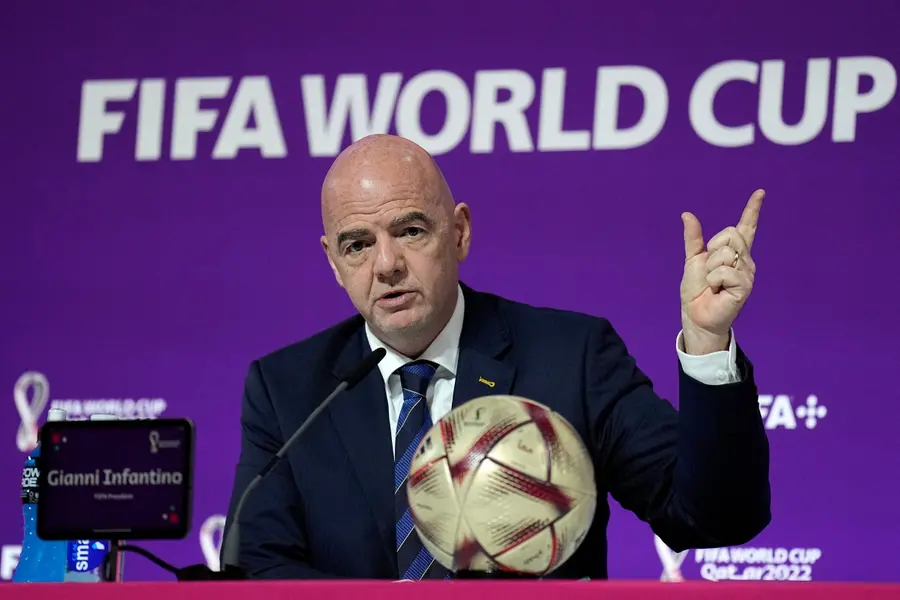
At the heart of the dispute is FIFA president Gianni Infantino’s proposal to create a new commercial subsidiary, FIFA Forward Enterprise (FFE), which would own and manage the commercial rights to FIFA competitions, including broadcasting, sponsorship, ticketing and licensing.
Under the plan, FIFA would retain majority ownership but sell up to a 20% minority, non-controlling stake in FFE to external investors, valuing the business at about $20 billion and potentially raising around $4.2 billion.
To secure support, FIFA has offered each of its 211 member associations up to $40 million in funding if the proposal is approved by a September 19 deadline, with an initial $20 million payment available from January 1, 2027.
Infantino has defended the move as part of the “democratisation of football worldwide”, arguing it would generate greater financial support for national associations while allowing FIFA to retain control over governance and sporting matters.
UEFA, however, has rejected the plan outright, arguing that the World Cup and other FIFA competitions are sporting legacies that should not be treated as investment products.
In a statement, UEFA said: “The World Cup cannot be treated as an investment product. It is one of football’s greatest sporting legacies... No part of it should ever be surrendered to private investors. The World Cup is not for sale."
ALSO READ: 'I have heard many people who are against Infantino': Javier Tebas
UEFA vs FIFA: Who's saying what
UEFA's position: UEFA president Aleksander Čeferin has led a unified European front against the proposal. Following an emergency meeting of all 55 member associations, UEFA announced that its members would boycott FIFA competitions "for so long as these proposals remain alive", unless the plan is abandoned entirely and binding assurances are given that FIFA will never again open its governance or competitions to private ownership.
An insider present at the talks described “absolute unity” across all 55 associations in rejecting the plan, with UEFA warning that even if Infantino thinks he has the votes to proceed, European teams will not play in future FIFA tournaments.
FIFA's position: FIFA has not backed down. Infantino has framed the proposal as a way to spread wealth more evenly across the football pyramid, offering significant funding to smaller and developing football nations. He has argued that the move would strengthen football globally without compromising FIFA’s control over the sport’s governance.
FIFA has formally asked its 211 member associations to vote on the proposal before the September 19 deadline, setting up a direct confrontation with Europe’s football powerhouses.
UEFA vs FIFA: Other voices
The English Football Association (FA) has issued an update following UEFA’s statement, aligning itself with the European position. The North American soccer body has also rejected the plan, adding to the pressure on FIFA.
Meanwhile, football analysts and insiders have described the situation as a “civil war” that could change football forever, with the potential to destabilise the global game if no compromise is reached.
UEFA vs FIFA: What could happen next?
The immediate next step is the vote by FIFA’s 211 member associations before September 19. If the proposal passes, UEFA has made it clear that its 55 national teams will not participate in any FIFA competition, including the men’s and women’s World Cups, until the plan is scrapped.
Such a boycott would raise profound questions:
Can a World Cup be legitimate without Europe? A tournament without Europe’s top nations would be commercially and sporting diminished, raising doubts over sponsorship, broadcast value and prestige.
Legal and governance battles: A split could lead to legal challenges over broadcasting rights, player eligibility and the structure of international football.
Rival competitions: There is already speculation that UEFA could explore alternative global tournaments or expand its own competitions, further fragmenting the calendar.
Published: 31 Jul 2026, 10:57 am IST
ABOUT THE AUTHOR

Related Topics
Disclaimer: Kindly avoid objectionable, derogatory, unlawful and lewd comments, while responding to reports. Such comments are punishable under cyber laws. Please keep away from personal attacks. The opinions expressed here are the personal opinions of readers and not that of Mathrubhumi.