
A European exit would cripple the tournament’s commercial value, leaving the future of international football at a crossroads.
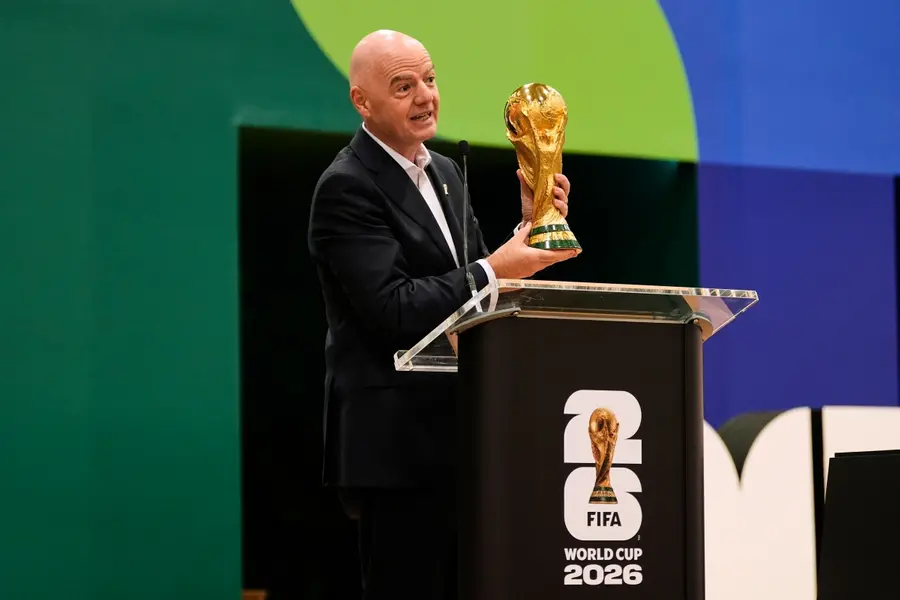
Zurich: In an unprecedented escalation of tensions within the global football community, a coalition of major European football associations has reportedly reached a preliminary agreement to boycott future editions of the FIFA World Cup. The move comes as a direct challenge to FIFA’s controversial plans to integrate significant private equity and institutional investment into the organisation’s core tournament structures.
The Source of Contention
The discord stems from FIFA’s recent proposals to overhaul its commercial model, which include soliciting multi-billion-euro funding from private investment groups to modernise the World Cup infrastructure and tournament delivery. According to a report by The Guardian, leading football federations across Europe, including those of England, Germany, France, and Spain, have voiced "profound concerns" regarding the potential loss of sporting autonomy and the long-term impact of privatising the world's most prestigious sporting event.
"The integrity of the game must remain beyond the influence of private equity," stated an anonymous representative from the European Club Association (ECA) in a briefing cited by Reuters. The coalition argues that shifting the governance and financial structure of the tournament towards private stakeholders risks prioritising profit over the developmental and social mandates that have historically defined international football.
A Fractured Global Landscape
FIFA has maintained that its investment strategy is essential to ensure the sustainable growth of football in emerging markets and to mitigate the rising costs of hosting global spectacles. In an official statement, a FIFA spokesperson described the initiative as "a necessary evolution to secure the future of the game," noting that the governing body remains open to dialogue with all member associations.
FIFA President Gianni Infantino has defended proposals to divest a minority interest in the FIFA World Cup and secure capital through outside financial backers, asserting that the mechanism remains "democratic and not an obligation" for member federations within the global football body.
"Well, FIFA 4 Enterprise, or FFE, is actually a proposal, an offer, it is part of a democratic process, a consultation process, and above all, it is an opportunity, but not an obligation, and as I said, it kicks off the consultation process, if and only if it is approved by the majority of our 211 member associations and the FIFA Council, it would be a FIFA-owned and controlled subsidiary, consolidating FIFA's commercial and event operations," Infantino stated, as reported by Goal.com.
However, the threat of a boycott has left FIFA in a precarious position. The potential absence of European heavyweights—who contribute the majority of the sport's commercial value and television revenue—would fundamentally undermine the tournament’s prestige and marketability. The situation is apparently evolving into a geopolitical stand-off, with several South American and African federations currently weighing their positions.
While no formal withdrawal has been submitted, the consensus among the participating European nations is that a "unified stance" is required to compel FIFA to reconsider the influence of external investors. With the next qualification cycle due to commence in the coming year, football administrators are under mounting pressure to find a diplomatic resolution before the rift becomes irreparable. For now, the prospect of a fractured global game looms as a distinct and worrying possibility for the sport's future.
Published: 30 Jul 2026, 09:48 pm IST
ABOUT THE AUTHOR

Disclaimer: Kindly avoid objectionable, derogatory, unlawful and lewd comments, while responding to reports. Such comments are punishable under cyber laws. Please keep away from personal attacks. The opinions expressed here are the personal opinions of readers and not that of Mathrubhumi.