
Coach Luis de la Fuente condemned the behavior as "intolerable," and the Anti-Violence Commission is now investigating.
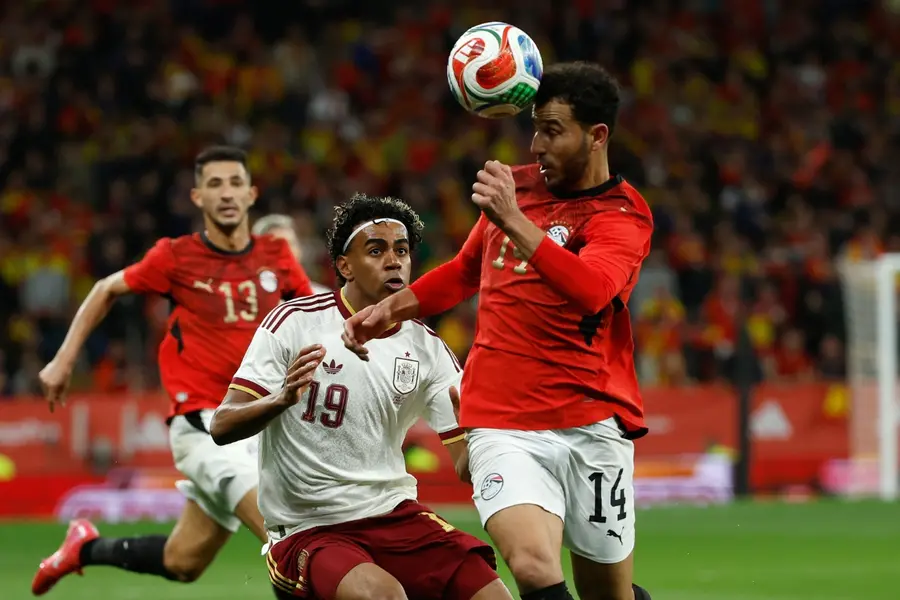
Cornella de Llogregat: What was intended to be a celebratory international friendly between Spain and Egypt at the RCDE Stadium on Tuesday night was instead overshadowed by a series of offensive, Islamophobic chants directed at the visiting side—an incident made all the more jarring by the identity of Spain’s own breakout star, Lamine Yamal.
Despite the match ending in a 0–0 draw, the headlines on Wednesday morning were focused entirely on the stands rather than the pitch.
The Incident
The trouble began early in the first half when a vocal section of the crowd began chanting "Muslims who don't jump," a derogatory refrain that persisted through the opening ten minutes. The atmosphere became increasingly tense as the stadium’s security protocols were triggered.
At halftime, the stadium’s video screens flashed a stern warning to spectators, condemning racist and xenophobic behaviour. When a segment of the crowd attempted to revive the chants in the second half, the warning was immediately replayed, backed by an announcement over the PA system.
The Irony of the Star
The primary point of contention for many observers was the glaring contradiction in the fans' behaviour. Lamine Yamal, the 18-year-old sensation who has become the face of the new-look Spanish national team, is himself Muslim.
While certain sections of the crowd engaged in the offensive chanting, the stadium was simultaneously filled with roars of "Lamine, Lamine!" every time the winger touched the ball. This duality sparked immediate backlash on social media, with many pointing out the absurdity of fans targeting the faith of their own team's most vital player.
Reactions from the Camp
Yamal played the first 45 minutes before being substituted at halftime by Luis de la Fuente. While the youngster has yet to release a personal statement, he appeared focused on the match throughout his shift, seemingly sheltered from the height of the controversy until after the final whistle.
Spain’s head coach, Luis de la Fuente, did not mince words in his post-match press conference:
"This behaviour is intolerable. It is xenophobic, it is hurtful, and it has no place in our football. We represent a diverse Spain, and we will not stand for anything that targets the identity of our players or our opponents."
Looking Ahead to 2030
The incident comes at a sensitive time for the Spanish Football Federation (RFEF). With Spain set to co-host the 2030 World Cup alongside Morocco and Portugal, the federation is under immense pressure to prove it can provide a safe and inclusive environment for international fans and players alike.
The Spanish government’s Anti-Violence Commission is expected to review footage from the RCDE Stadium this week to identify those responsible. Potential sanctions could include fines and stadium bans, as Spain looks to scrub a recurring stain from its footballing reputation.
Published: 01 Apr 2026, 03:05 pm IST
Related Topics
Disclaimer: Kindly avoid objectionable, derogatory, unlawful and lewd comments, while responding to reports. Such comments are punishable under cyber laws. Please keep away from personal attacks. The opinions expressed here are the personal opinions of readers and not that of Mathrubhumi.
