
While FIFA cites player welfare, critics argue the universal stoppages—regardless of weather—are a transparent ploy to facilitate mid-game commercial breaks, mirroring American sports formats.
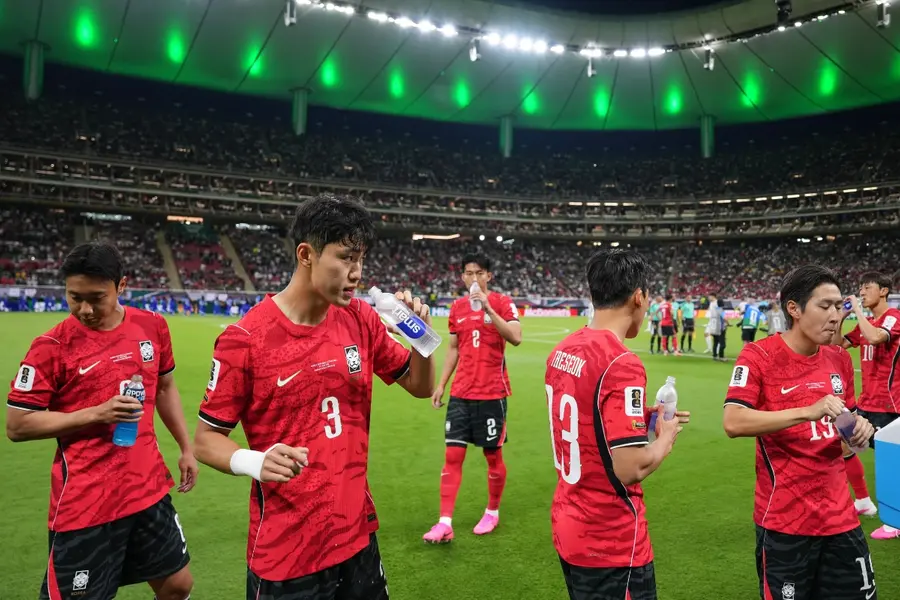
The kick-off of the 2026 FIFA World Cup has ignited a fierce global debate regarding the introduction of mandatory hydration breaks. What was marketed as an unprecedented step for player welfare has instead faced immediate backlash, with critics accusing football’s governing body of creating a highly lucrative corporate timeout.
A Universal Mandate Across 104 Matches
Referees are instructed to pause play around the 22nd minute of each half across all 104 matches of the expanded tournament. These stoppages last exactly three minutes from whistle to whistle, with the lost time subsequently added as stoppage time. Crucially, the breaks are applied universally, entirely independent of local weather conditions, stadium roofs, or evening kick-off times.
As explained by Manolo Zubiria, FIFA's Chief Tournament Officer, in an official tournament briefing:
“For every game, no matter where the games are played, no matter if there's a roof, or temperature-wise, there will be a three-minute hydration break. It will be three minutes from whistle to whistle in both halves.”
ALSO READ: Canada vs Bosnia and Herzegovina: Historic first World Cup game on Canadian soil
Television Exploitation vs Pitch Tempo
While FIFA maintains that this standardised approach ensures a fair competitive environment and protects athlete health across a diverse North American climate, television networks have wasted no time capitalising on the new pauses. Reports by CBS Sports confirm that major global broadcasters are actively utilising these precise, three-minute intervals to squeeze mid-half commercial advertisements into their live programmes.
Critics and traditionalists argue that the policy effectively fractures the organic, continuous flow of the sport. The structural change has triggered accusations that football is artificially restructuring a 90-minute game into four distinct quarters to mirror commercialised American sports broadcasting models.
ALSO READ: USA vs Paraguay: Pulisic returns to full fitness as hosts set to begin World Cup 2026 campaign
The Spectator Bottle Ban Paradox
Compounding the touchline controversy is a parallel dispute regarding spectator hydration in the stands. A last-minute amendment to FIFA's Stadium Code of Conduct enforced a universal ban on spectators bringing empty, reusable plastic water bottles into tournament venues, citing safety and security risks.
ALSO READ: Want to watch the FIFA World Cup for free in India?
The restriction had prompted heavy criticism online, with consumer groups pointing out a stark paradox: while elite players are granted strictly protected water breaks on the pitch, ordinary matchgoers face restricted fluid access and premium concession pricing.
FIFA later reversed its plans and allowed fans to bring a 20-ounce (approx 600 ml), factory-sealed plastic water bottle into stadiums.
Published: 12 Jun 2026, 08:57 pm IST
Related Topics
Disclaimer: Kindly avoid objectionable, derogatory, unlawful and lewd comments, while responding to reports. Such comments are punishable under cyber laws. Please keep away from personal attacks. The opinions expressed here are the personal opinions of readers and not that of Mathrubhumi.
