

From handling pressure as an All England champion to coaching Olympic medallists Saina Nehwal and PV Sindhu, Pullela Gopichand opens up about mental resilience, India's sporting culture, social media scrutiny, and the philosophy behind launching of the book ‘The Glyder Advantage’ in an exclusive interview with Mathrubhumi.
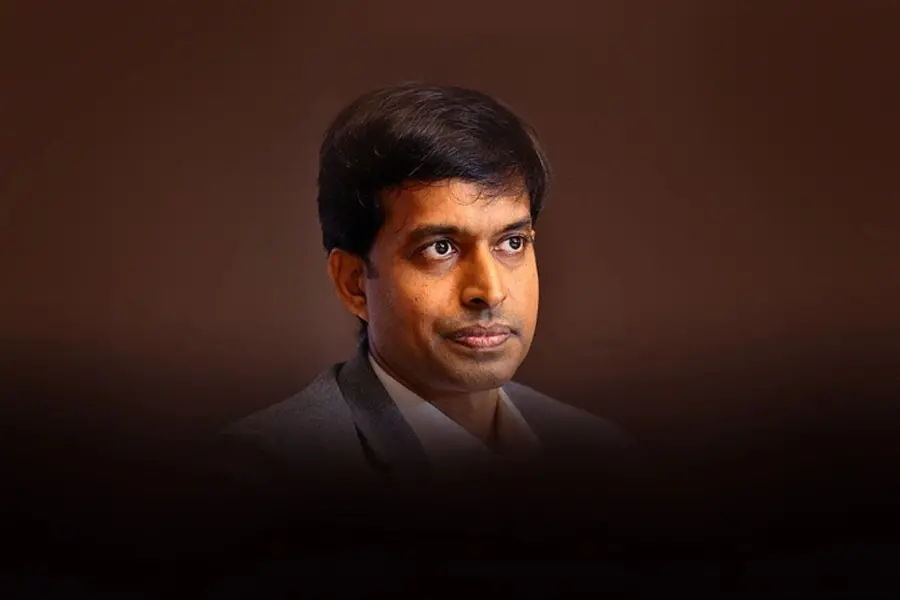
Badminton legend and acclaimed coach Pullela Gopichand believes the lessons learnt on the court extend far beyond sport.
Speaking on the launch of ‘The Glyder Advantage: Beat the Pressure. Perform at Your Best’, Gopichand said the book seeks to bring the mental skills elite athletes have relied on for decades to students, professionals, entrepreneurs and anyone navigating the pressures of everyday life.
Co-authored by sports psychologist Dr Sandy Gordon, Gopinathan CP and Ritu Vinayak, the book explores 12 mental skills that help people perform under pressure.
However, in an email interview with Mathrubhumi, Gopichand also reflected on coaching champions Saina Nehwal and PV Sindhu, India's sporting culture, the evolution of badminton, social media pressure, and the legacy he hopes to leave behind.
Excerpts from the interview:
Q. ‘The Glyder Advantage’ adapts mental skills from elite sport for everyday life. How do you see these lessons as relevant beyond sport?
I am convinced that sport is really a school for life. The lessons you learn on the court are not just about winning matches; they are about your core abilities to handle pressures, failures, distractions, and setbacks, which are all that we face in our normal life as well. In sports, a coach is working with you on your mental skills. But in life, no coach is working with you to build your mental skills. The ‘Glyder Advantage’ has put together twelve mental skills practiced by elite athletes that are directly applicable in your everyday life, whether you're a student, a professional, a parent, or an entrepreneur.
Q. You've experienced pressure as both a player and a coach. How has your understanding of it evolved?
As a player, the pressure was naturally about my own performance. As a coach, it is more complex because every player experiences pressure differently. What I've learnt is that pressure itself is not the problem; it is where your attention goes when you are under pressure. If your mind is on the result, you've already lost focus on the task. Stay with the process, accept reality, keep improving, and pressure becomes something you learn to work with, not be afraid of.
Q. You've coached Saina Nehwal and PV Sindhu, two champions with very different personalities. What did that teach you?
One of the biggest lessons from coaching different champions is that there is no single, universal formula to build mental strength. Every athlete brings a different personality, background, and way of responding to pressure. As coaches, our role is not to fit everyone into the same mould, but to understand the individual and help them discover what works best for them.
Q. Young stars like Ayush Shetty and Unnati Hooda have shown immense promise. What does Indian badminton need to do to nurture such talent?
Talent is only the beginning. The game is now faster, more physically and mentally demanding, so we must develop complete athletes, not just skilled players. That means building strong fundamentals, nurturing a growth mindset, and helping youngsters enjoy the process instead of chasing rankings too early. Your technical ability may take you to the top, but discipline, patience, resilience, and consistency help you stay there.
Q. Indian badminton has grown rapidly over the past two decades. What remains the biggest challenge?
We've made tremendous progress, but sustained success depends on building a stronger ecosystem. We need better grassroots programmes, greater investment in coach education and more quality training centres. At the same time, we must encourage patience. Excellence is built over years through consistent effort and continuous improvement.
Q. Does India still place too much emphasis on medals rather than the process?
Medals are important outcomes, but they happen because of strong processes. What truly creates champions is years of disciplined practice, learning from defeats, making small improvements every day, and developing the ability to handle pressure and failures. If we value those qualities as much as medals, we'll not only produce more sporting champions but also more resilient individuals.
Q. How should young athletes deal with social media scrutiny?
You cannot control what people say or write; you can only control your attitude, your preparation, and your response. Stay balanced and stay self-aware. Look for honest feedback rather than validation. Opinions will keep changing from match to match; they cannot define your talent and capabilities.
Q. In an age of instant gratification, what values can sport still teach?
Sport teaches lessons that are very difficult to learn any other way. It teaches you to deal with failures, patience, discipline and responsibility. If young people can focus on the process, avoid comparing themselves with others, and consistently keep taking the next steps, they will become better athletes and better prepared for challenges in life.
Q. What is the one message you hope readers take away from ‘The Glyder Advantage’?
If there's one message, it's that performing at your best is not about being extraordinary; it's about consistently giving it your best shot and reaching your highest potential. There will always be pressures, failures and uncertainty. How you respond to them is what makes all the difference. And how to respond to them can be learnt.
Q. Finally, what legacy would you like to leave behind?
I hope India becomes a sporting nation where playing a sport becomes an integral part of life from a young age. I would be happy if people remember me as someone who helped build that ecosystem and inspired young people to pursue excellence with honesty, discipline and humility. If I've made my athletes enjoy the process, accept failures as learning, and keep doing justice to their talent, I would feel I've contributed something meaningful to Indian sport.
Published: 26 Jul 2026, 02:36 pm IST
ABOUT THE AUTHOR
Related Topics
Disclaimer: Kindly avoid objectionable, derogatory, unlawful and lewd comments, while responding to reports. Such comments are punishable under cyber laws. Please keep away from personal attacks. The opinions expressed here are the personal opinions of readers and not that of Mathrubhumi.