
World Earth Day 2026 unites over a billion people worldwide, spotlighting climate action, sustainability and collective responsibility to protect the planet.
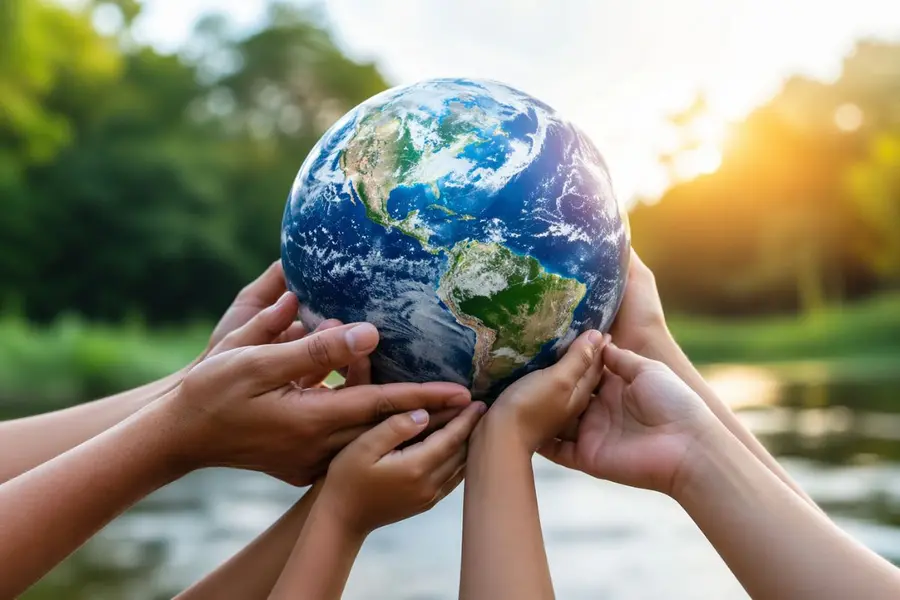
World Earth Day 2026 is being observed across the globe on April 22, bringing together more than one billion people from over 193 countries in a collective call to protect the planet.
Recognised as the largest civic environmental movement in the world, the day highlights urgent challenges such as climate change, pollution, biodiversity loss, and depletion of natural resources, while encouraging individuals and governments to take meaningful action.
This year’s theme, “Our Power, Our Planet,” underscores the role of people in driving environmental change.
It calls for a shift towards renewable energy, sustainable living, and collective responsibility to ensure long-term ecological balance.
From a protest to a global movement
World Earth Day traces its origins to 1970 in the United States, when Senator Gaylord Nelson initiated a nationwide environmental protest following the devastating 1969 Santa Barbara oil spill.
The disaster, which released millions of gallons of crude oil into the ocean, shocked the public and exposed the lack of environmental regulations.
Environmental activist Denis Hayes played a key role in organising the first Earth Day on April 22, 1970.
The movement drew participation from millions of Americans and marked a turning point in environmental awareness. It led to the establishment of the Environmental Protection Agency (EPA) and the introduction of landmark laws such as the Clean Air Act and Clean Water Act.
Over the decades, Earth Day expanded beyond national boundaries. By 1990, it had become a global initiative involving 200 million people across 141 countries.
Its influence continued to grow, and in 2016, world leaders chose Earth Day to sign the Paris Climate Agreement, reinforcing its significance in global environmental governance.
Renewed urgency in a warming world
In 2026, the message of Earth Day carries renewed urgency. Global temperatures have already risen by over 1.1°C above pre-industrial levels, leading to extreme weather events, rising sea levels, and ecological disruptions.
Deforestation, plastic pollution, and biodiversity loss continue to threaten the planet’s stability.
The theme “Our Power, Our Planet” emphasises the need to triple global renewable energy production by 2030.
It highlights that real change depends not only on policies but also on everyday actions, from reducing plastic use to conserving energy and adopting sustainable habits.
Across the world, Earth Day is marked by awareness campaigns, clean-up drives, educational programmes, and community initiatives.
Schools, universities, and organisations host workshops, lectures, and competitions to engage young people in environmental protection.
In India, institutions are organising science-based events and public outreach programmes to deepen awareness and encourage participation.
Experts stress that Earth Day is not just symbolic; it has historically influenced policy decisions and continues to shape environmental discourse.
More importantly, it fosters behavioural change, reminding individuals that small actions can collectively lead to significant impact.
As the world faces mounting environmental challenges, Earth Day serves as a reminder of shared responsibility and global unity. It reinforces the idea that protecting the planet is not optional, but essential for future generations.
Quotes to inspire change
- “The planet gives us everything we need: Our duty is to give back responsibly.”
- “We are not separate from nature; we are part of its survival story.”
- “Protecting the Earth today is the only way to secure tomorrow.”
- “The choices we make now will echo in the lives of future generations.”
- “Nature thrives when humanity learns to live with care, not control.”
- “A greener world begins with everyday decisions.”
- “If we respect the Earth, it will continue to sustain us.”
World Earth Day 2026 is not just a day of awareness: It is a call to action, urging every individual to contribute towards a cleaner, safer and more sustainable planet.
Published: 22 Apr 2026, 08:53 am IST
Related Topics
Disclaimer: Kindly avoid objectionable, derogatory, unlawful and lewd comments, while responding to reports. Such comments are punishable under cyber laws. Please keep away from personal attacks. The opinions expressed here are the personal opinions of readers and not that of Mathrubhumi.
