
The United States is on the brink of its first government shutdown in seven years, as Democrats and Republicans clash over a short-term funding deal
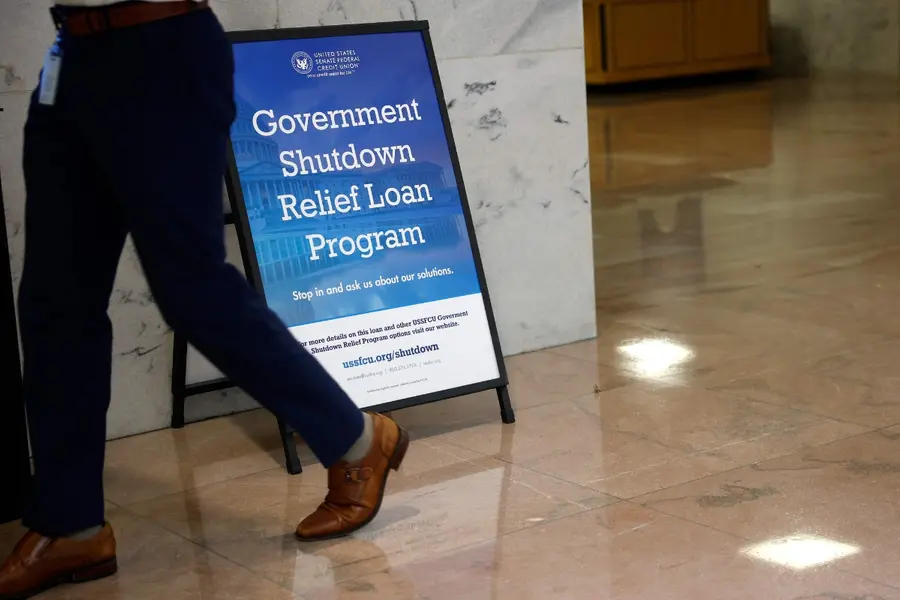
Washington DC: The United States is facing its first government shutdown in nearly seven years after a Senate standoff over federal funding.
Why did the vote fail?
Also Read

On Tuesday evening, a Republican-backed short-term funding measure aimed at keeping the government open until 21 November received 55 votes in the Senate—falling short of the 60 votes needed.
- Democrats opposed it, demanding an extension of expiring healthcare benefits and other provisions.
- Republicans, led by President Donald Trump, insisted the bill was a simple, “clean” package and accused Democrats of blocking it for political reasons.
What happens if funding lapses?
A government shutdown in the United States begins when Congress fails to pass a funding bill, cutting off money to many federal agencies. Here’s what really happens when the funding runs out.
Federal workers furloughed
- Non-essential workers are placed on unpaid leave, known as furloughs. This includes employees in offices such as museums, parks, and research agencies.
- Essential workers, like military troops, border security, air traffic controllers and law enforcement officers, must continue to work but without pay until funding is restored.
- Up to 750,000 federal workers could be affected, according to the Congressional Budget Office.
Public services disrupted
- National parks, museums and libraries may close.
- Government offices handling permits, benefits, and passports could face delays.
- Health and social programmes risk losing support if funding is not extended.
Economic consequences
- Shutdowns delay the release of economic data, which businesses and markets rely on for planning.
- Consumer confidence can fall, while government contractors face late or cancelled payments.
- The longer the shutdown lasts, the more it costs taxpayers when operations restart.
Political stakes
Shutdowns are often the result of partisan clashes in Congress, with one side demanding policy concessions in exchange for funding. They can weaken public trust in government and create uncertainty at home and abroad.
What is the core issue?
- The deadlock comes down to healthcare spending.
- Democrats want protections and extensions for healthcare benefits.
- Republicans refuse to add them, saying the bill should not include additional measures.
What are the political stakes?
President Trump has taken a tough stance, warning that “a lot” of federal workers may lose their jobs permanently if the shutdown proceeds. Democrats, meanwhile, accuse Republicans of trying to “bully” them into accepting a bare-bones package.
This standoff highlights Washington’s deep partisan divide and could mark the first shutdown since 2018, disrupting government functions and delaying the release of key economic data.
At the heart of the conflict lies a dispute over healthcare spending, with neither party willing to concede. The deadlock reflects broader political brinkmanship in Washington and risks creating widespread disruption across the country.
Published: 01 Oct 2025, 07:47 am IST
Related Topics
Disclaimer: Kindly avoid objectionable, derogatory, unlawful and lewd comments, while responding to reports. Such comments are punishable under cyber laws. Please keep away from personal attacks. The opinions expressed here are the personal opinions of readers and not that of Mathrubhumi.