
A new study finds cognitive dissonance may explain why many Donald Trump supporters remain loyal despite serious allegations. Researchers outline key reasons.
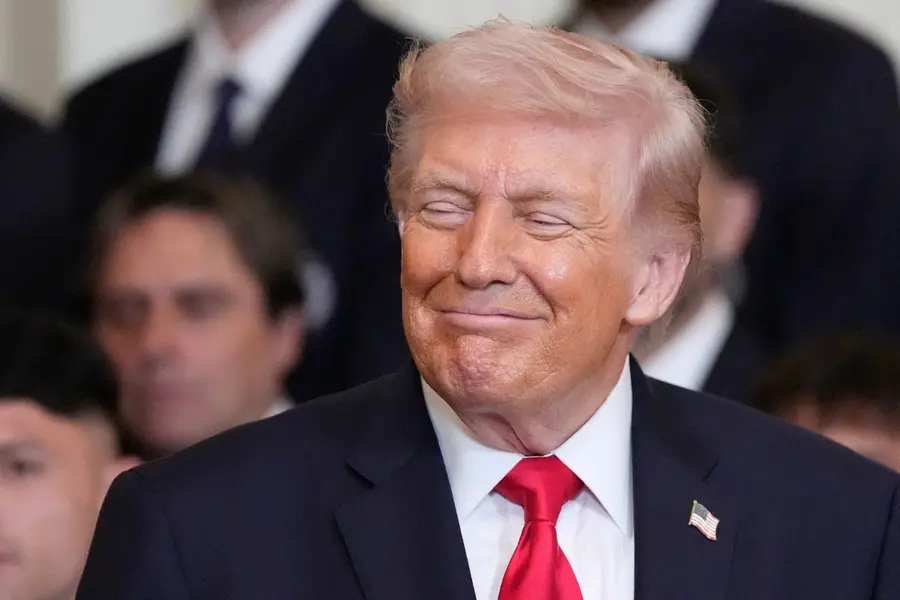
A new psychological study may help explain why many backers of Donald Trump continue to stand by him despite a long list of serious allegations. Published in the ‘Journal of Social and Political Psychology’, the research explores how cognitive dissonance, the mental unease triggered by clashing beliefs, shapes political loyalty.
The project was led by senior lecturer Cindy Harmon-Jones of Western Sydney University, who said she had long wondered why Trump’s core supporters remained steadfast as accusations ranging from sexual misconduct to efforts to overturn the 2020 US election piled up.
"I've been puzzled by the continuing support that Trump's followers hold for him, despite accusations of sexual assault, corruption, and other illegal activities," Harmon-Jones said. "I wanted to give those supporters a chance to explain in their own words why they back him."
Researchers conducted three studies between 2019 and 2022, asking hundreds of Trump supporters to read articles outlining allegations against him before offering open-ended explanations for their continued backing.
How supporters justify their loyalty
Across all studies, respondents consistently pointed to policy priorities rather than personal conduct. The most frequent reasons cited for supporting Trump included economic performance, his communication style, perceived competence and his outsider image.
When asked how they squared that support with allegations of misconduct, three responses repeatedly surfaced:
- A majority flatly rejected the claims.
- Around one-third said policy achievements mattered more than Trump’s behaviour.
- Another third argued that other politicians or wealthy individuals behave similarly.
In later rounds, about 15% said they simply did not care about the accusations at all.
Discomfort drives denial
The studies found a strong link between emotional discomfort and disbelief. Participants who reported feeling more unsettled after reading about allegations were also more likely to dismiss them entirely, suggesting denial was a coping mechanism rather than a considered judgment.
Harmon-Jones said this pattern reflects how people often respond when confronted with evidence that contradicts a deeply held belief. According to cognitive dissonance theory, individuals seek to reduce internal tension by adjusting their thinking, in this case, by rejecting or reframing unwanted information.
“I was surprised to see that many of the participants used very similar language. They repeated Trump’s phrases like ‘fake news’ and ‘drain the swamp,’” she added in an interview with PsyPost.
How the studies unfolded
The first study, conducted in late 2019, involved supporters who read either a neutral article or one detailing sexual misconduct allegations. Asked to explain their support afterwards, respondents overwhelmingly cited economic matters and political performance.
A second study, carried out days after Trump’s impeachment, revealed near-identical patterns. Participants again dismissed allegations, leaned on policy-based arguments or claimed such behaviour was common among politicians. A notable new trend saw some respondents state plainly that they did not care about the accusations.
The third study, conducted in 2022 after hearings into the attack on the US Capitol, saw denial intensify. More than 60% insisted the allegations linked to the January 6 events were false, though a small minority said the developments had caused them to withdraw support.
What the findings suggest
According to the researchers, the data indicate that supporters are not merely ignoring evidence but experiencing genuine psychological friction. Denial, compartmentalisation and comparisons with other politicians appear to help them bridge the gap between loyalty and discomfort.
“Some people might think that these findings aren’t due to dissonance and that the participants simply did not believe the information,” Harmon-Jones said. But she noted that those who felt most unsettled were also the most likely to reject the allegations, reinforcing the role of internal conflict.
The researchers caution that the findings apply only to Trump supporters. They stress the need to investigate whether backers of other prominent figures, such as Barack Obama or Bill Clinton, would react similarly if faced with comparable accusations.
Published: 11 Apr 2026, 09:20 pm IST
Related Topics
Disclaimer: Kindly avoid objectionable, derogatory, unlawful and lewd comments, while responding to reports. Such comments are punishable under cyber laws. Please keep away from personal attacks. The opinions expressed here are the personal opinions of readers and not that of Mathrubhumi.
