
Ras Tanura is Aramco's crown jewel for petrochemical integration, blending crude processing with chemicals production to feed Vision 2030's diversification push.
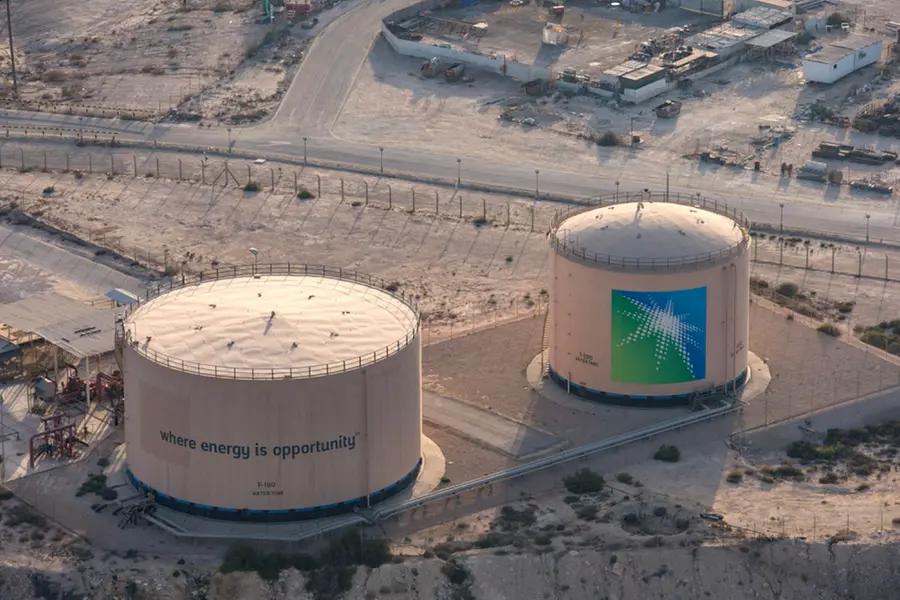
Saudi Aramco has temporarily shut down its sprawling Ras Tanura refinery complex after an Iranian drone strike slammed into the facility, escalating the US-Iran conflict into a direct assault on the world's most critical energy artery.
The attack sent Brent crude rocketing to $80 per barrel, a blistering 8-9% surge, while paralysing shipping hubs across the Gulf from Abu Dhabi to Oman's Duqm port.
Located on Saudi Arabia's Gulf coast near Jubail, Ras Tanura stands as one of the Middle East's largest and oldest refineries, commissioned in 1945 after wartime delays. With a massive crude distillation capacity of 550,000 barrels per day (bpd) -- split between a 325,000 bpd crude unit and 225,000 bpd gas condensate unit -- it processes heavy sour crudes and gas condensates into fuels, petrochemical feedstocks, and export products via the world's largest oil and product export terminal.
Also read | Hormuz shock: What a USD 100 oil scenario means for India
Ras Tanura is Aramco's crown jewel for petrochemical integration, blending crude processing with chemicals production to feed Vision 2030's diversification push. The complex boasts NGL fractionation capacity of 130,000 bpd (added 1978), a 50,000 bpd hydrocracker, 270,000 bpd catalytic reforming (including 90,000 bpd continuous catalytic regeneration and 65,000 bpd isomerisation), and a visbreaker for heavy residues.
While supplying 70% of Saudi domestic needs via Dhahran pipelines, Ras Tanura exports the rest through direct Gulf tanker loadings -- India and China snapping up 60% and 15% of its LPG/naphtha, respectively. The East-West Petroline provides critical backup, shuttling crude and feedstocks inland to Yanbu and Jubail refineries to buffer disruptions.
Familiar Nightmare Returns
The March 2 strike revives haunting memories of September 2019, when unprecedented drone and missile barrages crippled Aramco's Abqaiq and Khurais facilities, slashing over half of Saudi Arabia's crude output and sending global markets into convulsions.
Also read | Aviation, travel stocks sink as conflict rattles markets with Sensex crashing over 1,000 points
Monday's assault compounds a wave of Iranian retaliation across the Gulf -- hits on Abu Dhabi, Dubai, Doha, Manama, and Oman's commercial Duqm facilities have shuttered UAE and Omani shipping hubs entirely.
Brent futures spiked roughly 10% in early trading as insurance rates soared and tankers rerouted. Aramco engineers now scramble to assess damage across Ras Tanura's labyrinth of distillation towers, reformers, crackers, and the crown-jewel export terminal that funnels Saudi chemicals to Asia's steam cracker belt.
For energy-hungry India, importing 80% of its oil through the Hormuz chokepoint, Ras Tanura's paralysis threatens not just crude spikes but petrochemical raw materials critical for plastics, fertilisers, and manufacturing.
Published: 02 Mar 2026, 02:48 pm IST
Related Topics
Disclaimer: Kindly avoid objectionable, derogatory, unlawful and lewd comments, while responding to reports. Such comments are punishable under cyber laws. Please keep away from personal attacks. The opinions expressed here are the personal opinions of readers and not that of Mathrubhumi.
