
The World Health Organization has declared the Ebola outbreak in Congo and Uganda a global public health emergency after more than 300 suspected cases and dozens of deaths raised fears of wider international spread.
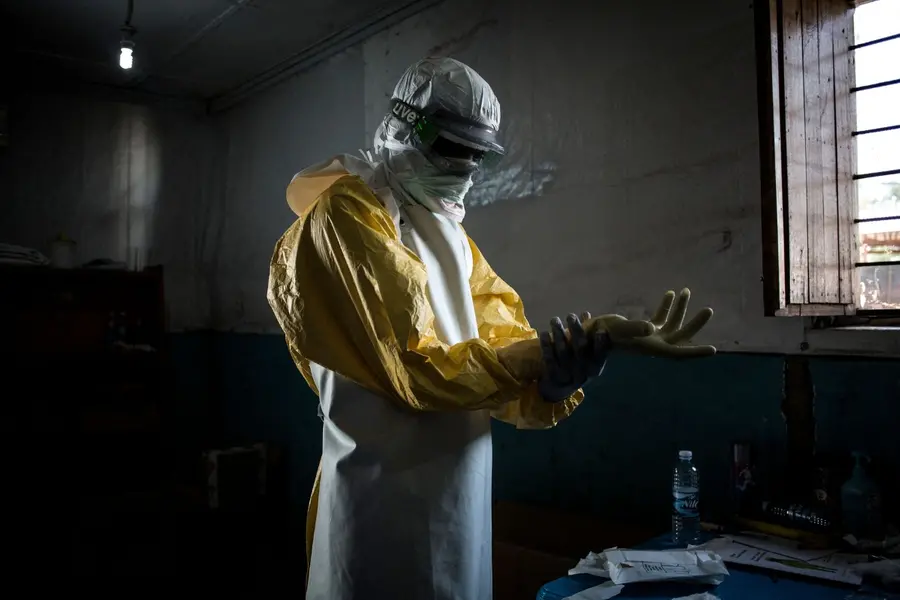
The World Health Organization has officially declared the ongoing Ebola outbreak in the Democratic Republic of the Congo and Uganda a “public health emergency of international concern” following a sharp rise in suspected infections and deaths.
WHO Director-General Tedros Adhanom Ghebreyesus announced the decision on Sunday after health authorities reported more than 300 suspected cases and at least 88 deaths linked to the outbreak.
Also Read

Outbreak linked to Bundibugyo virus strain
According to the WHO, the outbreak is being caused by the Bundibugyo strain of the Ebola virus, a rare variant for which there are currently no approved vaccines or targeted treatments.
The agency clarified that the outbreak does not currently meet the criteria for a pandemic-level emergency similar to COVID-19, but warned that the risk of regional spread remains high.
Most of the reported cases have emerged from Congo’s Ituri province, while Uganda has confirmed imported cases in the capital city, Kampala.
Ugandan authorities confirmed that at least two infected individuals had travelled from Congo before testing positive for the virus.
One patient reportedly died at a hospital in Kampala, while another case was later identified in the city.
Health officials stated that the two cases did not appear to be directly linked to each other.
WHO warns of possible international spread
The WHO said the outbreak poses a significant threat to neighbouring countries due to cross-border movement and limited healthcare infrastructure in some regions.
The agency urged countries sharing borders with Congo to strengthen screening systems, monitor travellers and activate emergency response mechanisms.
At the same time, the WHO advised against shutting international borders or imposing travel bans, warning that such measures could encourage unmonitored crossings and worsen the spread.
Why experts are concerned
Health experts say the outbreak is especially worrying because the Bundibugyo strain has fewer medical countermeasures available compared to the more common Zaire strain of Ebola.
The virus spreads through direct contact with bodily fluids of infected individuals, contaminated materials or infected bodies after death.
Symptoms typically include fever, vomiting, diarrhoea, body pain and internal bleeding in severe cases.
Congo’s long history with Ebola
The Democratic Republic of Congo has experienced multiple Ebola outbreaks since the virus was first identified there in 1976.
The current outbreak is reported to be the country’s 17th recorded Ebola outbreak, with health officials warning that the actual number of infections could be significantly higher than current confirmed figures.
The WHO and African health agencies are continuing surveillance, isolation and contact-tracing operations in affected areas to contain further spread.
Published: 17 May 2026, 10:34 am IST
Related Topics
Disclaimer: Kindly avoid objectionable, derogatory, unlawful and lewd comments, while responding to reports. Such comments are punishable under cyber laws. Please keep away from personal attacks. The opinions expressed here are the personal opinions of readers and not that of Mathrubhumi.