
DR Congo reports 246 suspected Ebola cases in Ituri. Learn about the regional risk to Uganda, containment efforts, and the latest health updates. Read more.
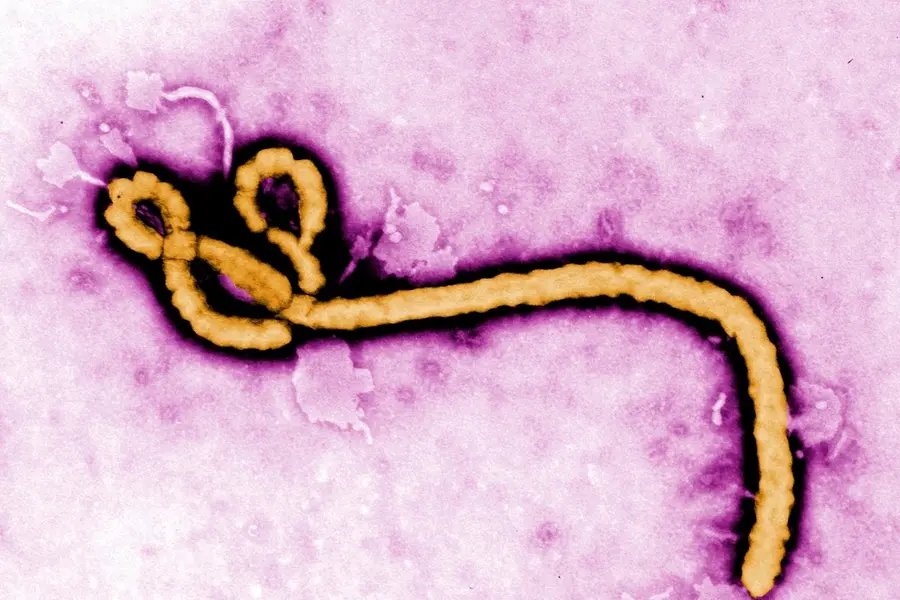
Africa’s top public health agency, the Africa Centres for Disease Control and Prevention, has confirmed a new Ebola outbreak in eastern Democratic Republic of the Congo’s Ituri province, with 246 suspected cases and 65 deaths reported so far, marking the country’s 17th outbreak since the virus was first detected in 1976. The development comes as neighbouring Uganda also confirmed an imported case linked to the outbreak, raising concerns over cross-border transmission in the region.
Health officials said only four deaths have been laboratory-confirmed so far, but surveillance teams moved to classify the outbreak after a sharp rise in suspected infections across multiple health zones in Ituri, including Mongwalu, Rwampara, and the provincial capital Bunia.
Why is the Congo Ebola outbreak raising regional alarm?
The Africa CDC warned that the outbreak’s proximity to borders with Uganda and South Sudan is a major risk factor, especially as Bunia lies close to the Ugandan frontier. Authorities also flagged ongoing population movement, weak contact tracing, and insecurity caused by armed groups in Ituri as key drivers that could accelerate the spread of the disease.
Ituri is a remote region in eastern DR Congo, more than 1,000 kilometers from the capital Kinshasa, with limited road infrastructure, making rapid medical response and surveillance more difficult.
Officials added that sequencing work is still underway to determine the exact strain. Early indications suggest a variant linked to the Ebola Zaire lineage, which was responsible for several major outbreaks in the past, including the 2018–2020 epidemic that killed over 1,000 people.
What do we know about Uganda’s imported Ebola case?
In Uganda, health authorities confirmed a case in a man from DR Congo who died in hospital in the capital Kampala. The case was confirmed posthumously and identified as the Bundibugyo strain of Ebola, which is known to be endemic in parts of Uganda.
Officials stressed that there is currently no evidence of local transmission in Uganda. However, several contacts linked to the deceased patient, including a high-risk close relative, have been placed under quarantine as a precaution.
The World Health Organisation said Ebola outbreaks are caused by multiple virus types, with Ebola virus, Sudan virus, and Bundibugyo virus among those known to trigger large-scale epidemics. While vaccines and treatments exist for some strains, they may not fully cover all variants.
Cross-border response and containment efforts intensify
The Africa CDC has convened an emergency coordination meeting with health officials from DR Congo, Uganda, and South Sudan, alongside UN agencies and international partners. Discussions focused on strengthening surveillance, improving contact tracing, ensuring safe burials, and mobilizing emergency resources.
Health experts say DR Congo has experience managing Ebola outbreaks and already has treatment systems and vaccine stockpiles. However, logistical challenges, poor roads, long distances, and insecurity, continue to slow response efforts in remote regions.
Officials are now racing to confirm the strain, expand testing capacity, and strengthen containment measures before the outbreak spreads further across borders.
With AP inputs
Published: 16 May 2026, 10:28 am IST
Related Topics
Disclaimer: Kindly avoid objectionable, derogatory, unlawful and lewd comments, while responding to reports. Such comments are punishable under cyber laws. Please keep away from personal attacks. The opinions expressed here are the personal opinions of readers and not that of Mathrubhumi.
