
UK Prime Minister Keir Starmer said Britain recognises the State of Palestine “to revive the hope of peace for the Palestinians and Israelis, and a two‑state solution
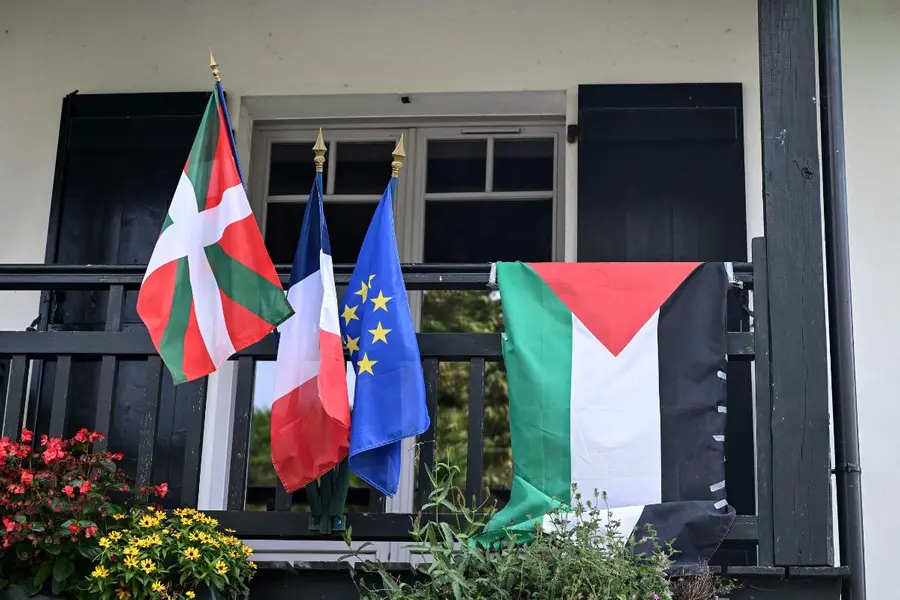
New York / London: Britain, Canada, Australia, and Portugal formally recognised the State of Palestine on Sunday, adding momentum to a wave of diplomatic shifts as the UN’s annual General Assembly gets underway.
What triggered the change
The move reflects growing frustration among Western governments over Israel’s military actions in Gaza, the expansion of settlements in the West Bank, and the humanitarian crisis that has resulted.
These recognitions are part of a coordinated effort ahead of the UN session (which begins in New York) to reinvigorate the “two‑state solution.”
Key statements
UK Prime Minister Keir Starmer said Britain recognises the State of Palestine “to revive the hope of peace for the Palestinians and Israelis, and a two‑state solution.”
Canada’s Prime Minister Mark Carney echoed the sentiment, promising Canada’s “partnership in building the promise of a peaceful future for both the State of Palestine and the State of Israel.”
Australia’s announcement similarly emphasised recognition as part of restoring diplomatic momentum. Prime Minister Anthony Albanese described the action as responding to Israel’s conduct and to preserve the viability of peace negotiations.
Israel’s reaction
Israeli Prime Minister Benjamin Netanyahu sharply condemned the recognition, calling it “a huge reward to terrorism.” He reaffirmed that “a Palestinian state will not be established west of the Jordan River.”
Israel’s foreign ministry similarly said these recognitions “further destabilize the region” and undermine chances of achieving a peaceful solution through negotiation.
Other developments
Portugal also joined in recognizing Palestine, further extending the diplomatic shift among Western states.
France has signalled it will follow suit, with President Emmanuel Macron preparing to make recognition official.
On the UN Stage
More than 140 world leaders are meeting this week at the UN General Assembly in New York. Recognition of Palestine, the humanitarian disaster in Gaza, and peace prospects are expected to dominate debate.
The assembly this week will also address the exclusion of Palestinian President Mahmoud Abbas, who was initially denied a U.S. visa but will be allowed to speak virtually after a vote of 145 in favour, 5 against.
Analysts weigh in
Supporters argue that symbolic recognition helps to re-emphasize international norms, apply pressure for de-escalation, and show solidarity with the Palestinian people.
Critics—Israel and its allies—warn that recognition without concurrent diplomatic progress or agreement could be more symbolic than transformative, and risk provoking backlash.
Published: 22 Sept 2025, 08:34 pm IST
Disclaimer: Kindly avoid objectionable, derogatory, unlawful and lewd comments, while responding to reports. Such comments are punishable under cyber laws. Please keep away from personal attacks. The opinions expressed here are the personal opinions of readers and not that of Mathrubhumi.
