
A new US public-charge framework takes effect September 18. Here is what it changes for Indian nationals applying for Green Cards through adjustment of status, including public benefits, exemptions and possible bonds.
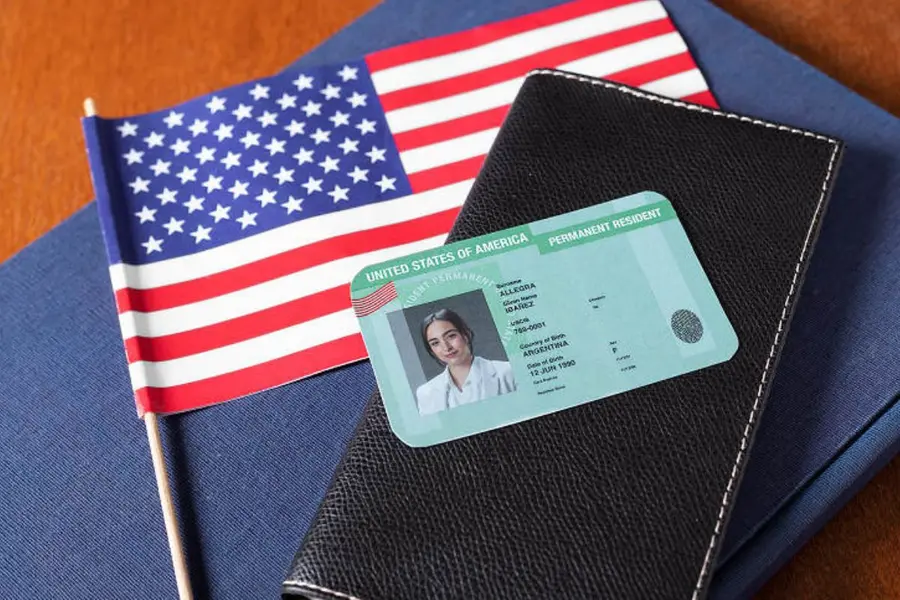
Indian nationals applying for US permanent residence through adjustment of status could face a broader public-charge assessment from September 18, 2026, when updated USCIS guidance takes effect.
What changes from September 18?
Also Read

The updated guidance allows US Citizenship and Immigration Services (USCIS) officers to consider a wider range of means-tested public benefits when deciding whether an applicant is likely to become a public charge.
The guidance follows a Department of Homeland Security (DHS) final rule that rescinds the 2022 public-charge regulations. The DHS rule was published in the Federal Register on July 20 and takes effect on September 18.
USCIS says officers must consider five statutory factors:
- Age
- Health
- Family status
- Assets, resources and financial status
- Education and skills
Officers can also consider other relevant circumstances, including an applicant’s use of means-tested public benefits.
Which benefits can be considered?
Under the updated guidance, USCIS may consider benefits including:
- Cash assistance for income maintenance
- Housing assistance
- Food stamps
- Financial aid for college
- The timing of the benefits is also important.
For benefits received before September 18, 2026, USCIS says officers will consider only public cash assistance for income maintenance and long-term institutionalisation at government expense.
For means-tested public benefits received on or after September 18, officers may consider any and all means-tested public benefits identified under the updated guidance.
USCIS says cases will be assessed individually, based on the totality of the applicant’s circumstances.
What does this mean for Indian Green Card applicants?
The public-charge ground applies to people seeking adjustment of status unless their immigration category is exempt.
USCIS lists several employment-based categories that can be subject to the public-charge ground, including priority workers, professionals with advanced degrees or people of exceptional ability, skilled workers, professionals and other workers, investors and religious workers.
Therefore, Indian nationals seeking permanent residence through an employment-based category covered by the rule could be assessed under the updated guidance.
However, not every Green Card applicant is subject to the public-charge ground.
Exempt categories listed by USCIS include refugees and asylees, special immigrant juveniles, certain victims of human trafficking or qualifying criminal activity, VAWA self-petitioners and certain applicants for Temporary Protected Status.
The applicant’s specific immigration category therefore remains central to determining whether the public-charge ground applies.
Public-charge bond also covered
The updated guidance also addresses public-charge bonds.
If USCIS determines that an adjustment-of-status applicant is inadmissible solely because they are likely to become a public charge, an officer may invite the applicant to post a public-charge bond.
The bond serves as a financial guarantee that the applicant will not become a public charge. USCIS says the officer may consider the government assistance the applicant could be eligible for and potentially receive over the following five years when determining the bond amount.
Applicants cannot independently submit a public-charge bond. USCIS says Form I-945 can be submitted only after the agency invites the applicant to do so through a Notice of Intent to Deny.
When does the new guidance apply?
The updated guidance takes effect on September 18, 2026.
It applies to Form I-485 applications subject to the public-charge ground that are postmarked or electronically submitted on or after September 18.
The key change is the broader range of public benefits that USCIS can consider in a public-charge assessment. The assessment is not based on one benefit alone: USCIS says officers must review the statutory factors alongside other relevant evidence and consider the applicant’s circumstances as a whole.
For Indian applicants, the impact depends primarily on the immigration category and whether the applicant is subject to the public-charge ground. Applicants in exempt categories are not covered by this ground of inadmissibility.
The September 18 effective date also creates a distinction between benefits received before and after the new guidance takes effect, making the timing of benefit use relevant to cases covered by the public-charge assessment.
Published: 16 Sept 2026, 01:48 pm IST
ABOUT THE AUTHOR
Related Topics
Disclaimer: Kindly avoid objectionable, derogatory, unlawful and lewd comments, while responding to reports. Such comments are punishable under cyber laws. Please keep away from personal attacks. The opinions expressed here are the personal opinions of readers and not that of Mathrubhumi.