
Officials clarified this is a short-term measure applying only to oil already loaded onto ships, and is not intended to provide significant new revenue to Russia.
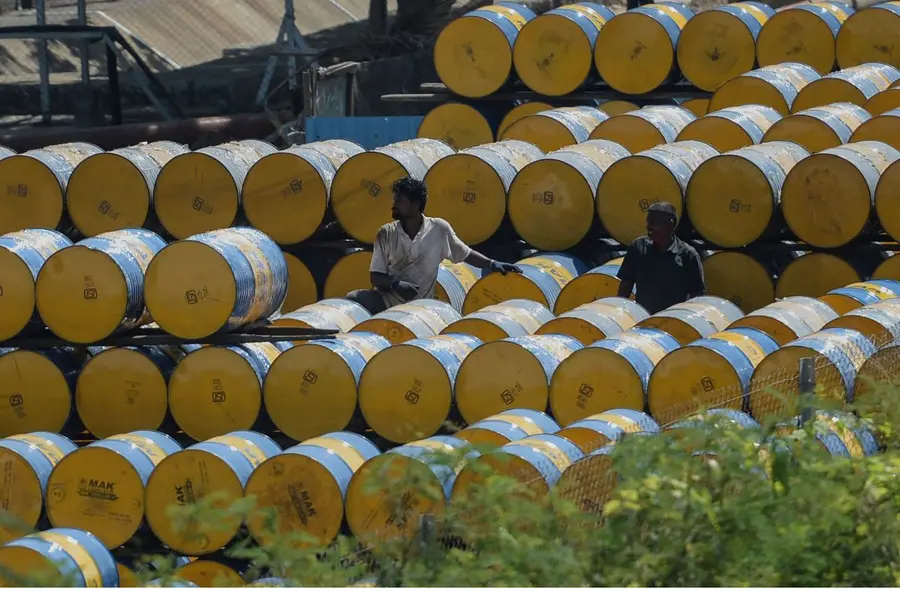
Washington: The U.S. Treasury Department on Thursday issued a temporary waiver of economic sanctions against Russia to permit the delivery and sale of Russian oil currently trapped at sea to India.
The Office of Foreign Assets Control (OFAC) released a specific Russia-related license that authorises the transfer of crude oil and petroleum products originating from the Russian Federation, provided they were loaded onto vessels as of March 5, 2026. According to a Treasury statement, the authorisation for these transactions, including those involving ships previously blacklisted under various sanctions regimes, is set to expire at the end of the day on April 3, 2026.
Treasury Secretary Scott Bessent explained that the 30-day reprieve was intended "to enable oil to keep flowing into the global market" amid severe disruptions in the Middle East.
"This deliberately short-term measure will not provide significant financial benefit to the Russian government as it only authorises transactions involving oil already stranded at sea," Bessent posted on X.
The move is aimed at alleviating the global energy crunch exacerbated by Iran's maritime escalations. Bessent added that the sale would "alleviate pressure caused by Iran's attempt to take global energy hostage."
The waiver comes at a complex diplomatic juncture; India recently committed to halting its purchases of Russian petroleum as a condition of a historic trade deal with the United States. In November, President Donald Trump imposed aggressive blocking sanctions on Russian energy giants Lukoil and Rosneft—the most significant measures taken against Moscow’s energy sector since the start of the Ukraine war. Those sanctions forced major international buyers to rapidly seek alternative sources of crude.
ALSO READ: Trump at White House: ‘Iran is calling’ for a deal, but US wants to ‘fight more’
To bypass existing Western restrictions, Russia has reportedly utilised a "shadow fleet" of ageing tankers with concealed ownership. However, the current Middle East conflict, which began with U.S.-Israeli strikes on Iran on Feb. 28, has forced a pragmatic shift in Washington’s enforcement to prevent a global supply shock.
With inputs from AFP
Published: 06 Mar 2026, 07:24 am IST
Disclaimer: Kindly avoid objectionable, derogatory, unlawful and lewd comments, while responding to reports. Such comments are punishable under cyber laws. Please keep away from personal attacks. The opinions expressed here are the personal opinions of readers and not that of Mathrubhumi.
