
A US submarine torpedoed and sank an Iranian warship off the coast of Sri Lanka on Wednesday, the Pentagon said.
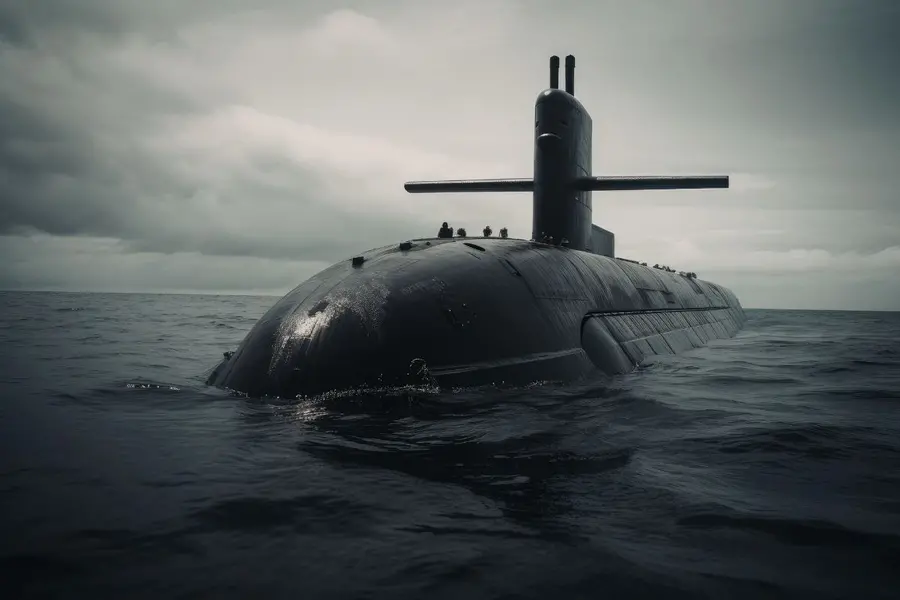
A US submarine has sent an Iranian warship to the bottom of the Indian Ocean, marking a historic return to a type of warfare not seen in over 80 years. The strike occurred Wednesday off the coast of Sri Lanka. Pentagon officials describe the attack as a "quiet death," confirming it is the first time a US submarine has torpedoed an enemy vessel since the Second World War.
The Deadliest Tool of the World Wars
During World War II, the torpedo was the undisputed "weapon of choice" for submarines. While sea mines were a major psychological threat, torpedoes did the heavy lifting. In the Atlantic, German U-boats used torpedoes for 92% of their kills, sinking over 2,500 ships. On the other side of the globe, American submarines were just as lethal. The US Mk 14 torpedo alone was responsible for destroying more than four million tons of Japanese shipping. These underwater missiles allowed submarines to strike from the shadows, prioritizing active hunting over waiting for an enemy to stumble into a minefield.
From Gunpowder Kegs to Smart Tech
The technology has come a long way from its 18th-century origins when inventors first discovered gunpowder could explode underwater. The first "automobile" or self-propelled torpedo appeared in 1866, moving at just 6.5 knots. By the 1940s, weapons became sophisticated. Navies deployed steam-driven models, aircraft-dropped versions, and electric torpedoes that left no tell-tale wake. They even developed "homing" torpedoes, nicknamed "Fido," which could hear and chase their targets.
Today, the US relies on the massive Mk 48 torpedo. It is a 19-foot-long predator carrying 650 pounds of high explosives. Unlike its ancestors, this modern weapon can "re-attack" if it misses its target on the first pass.
Published: 04 Mar 2026, 09:24 pm IST
Disclaimer: Kindly avoid objectionable, derogatory, unlawful and lewd comments, while responding to reports. Such comments are punishable under cyber laws. Please keep away from personal attacks. The opinions expressed here are the personal opinions of readers and not that of Mathrubhumi.
