
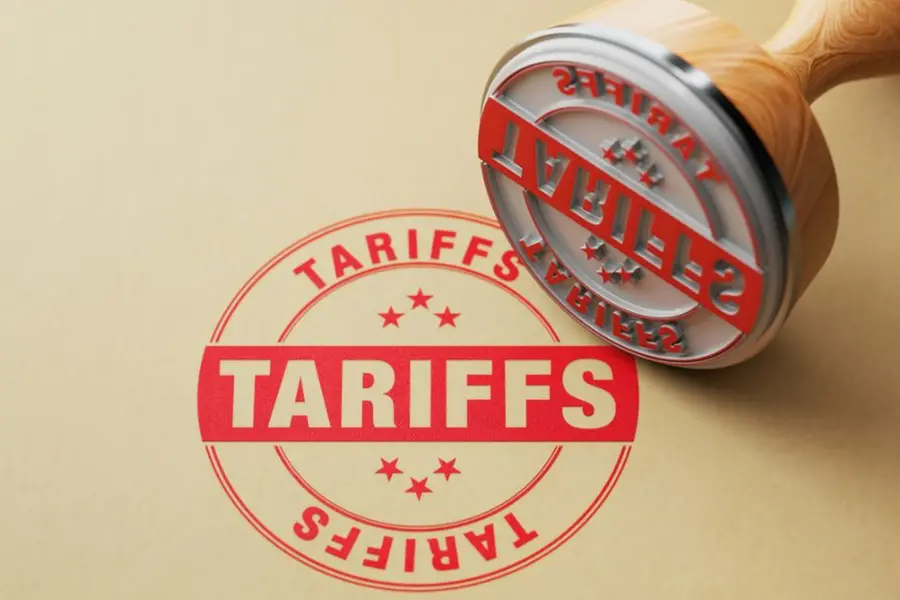
Beirut: A sharp increase in US trade protectionism is placing Arab economies under growing pressure, threatening $22 billion worth of non-oil exports, according to a policy brief released by the United Nations Economic and Social Commission for Western Asia (ESCWA).
Jordan appears to be the most vulnerable, with nearly a quarter of its total exports destined for the United States. Bahrain has also been identified as at risk, due to its high dependence on aluminium and chemical exports to the US market, Xinhua news agency reported.
UAE faces major re-export disruptions
The United Arab Emirates may also experience significant disruption, with around $10 billion in US-bound re-exports affected. These disruptions stem from US tariffs on goods originally produced in third countries, the brief noted.
Falling oil prices add to economic pressure
ESCWA also raised concerns over increasing financial strain across Gulf Cooperation Council (GCC) economies, which are already struggling due to a sharp drop in global oil prices.
Rising borrowing costs for non-GCC countries
Further financial challenges are expected for non-GCC states. ESCWA estimates that Egypt, Morocco, Jordan, and Tunisia will together face an extra $114 million in sovereign interest payments in 2025. This rise is attributed to increasing global bond yields amid uncertainty among investors. The higher cost of borrowing could tighten national budgets and delay development projects, the report stated.
New US tariffs to take effect after July deadline
Earlier this month, US President Donald Trump signed an executive order, despite widespread opposition, imposing "reciprocal tariffs" on trading partners around the world.
The US President earlier stated that countries failing to reach a trade agreement with the US by 9 July, when a 90-day pause ends, would face tariffs at the originally announced reciprocal rate.
For India, this means the tariff will return to 26 percent from the revised 10 percent. Similar rate reversals are expected for other countries that chose to engage in negotiations with the US instead of imposing higher tariffs on American goods, such as China.
IANS
Published: 20 Apr 2025, 09:49 am IST
Related Topics
Disclaimer: Kindly avoid objectionable, derogatory, unlawful and lewd comments, while responding to reports. Such comments are punishable under cyber laws. Please keep away from personal attacks. The opinions expressed here are the personal opinions of readers and not that of Mathrubhumi.
