
With the Strait effectively closed, oil prices have surged past $86 a barrel.
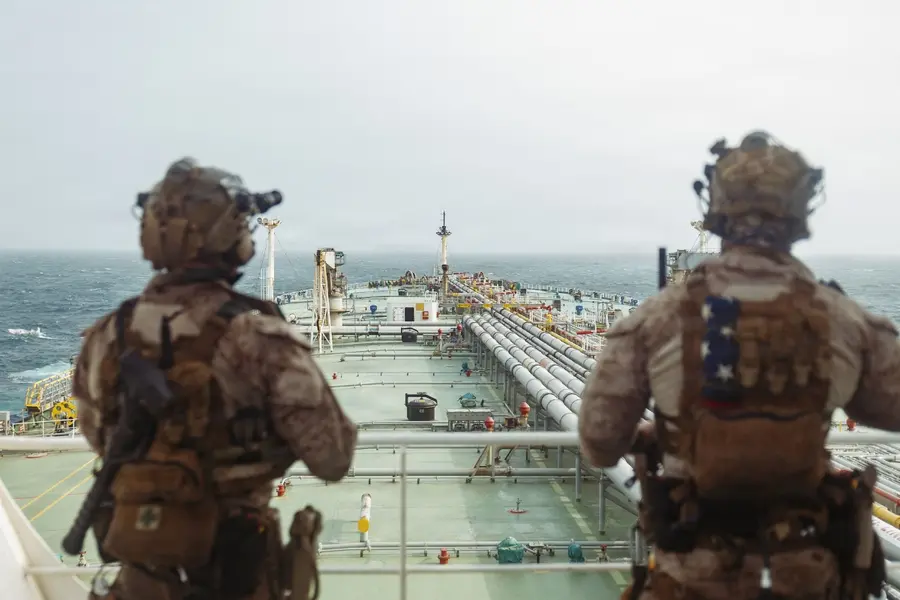
The United States and Iran intensified their military confrontation across the Middle East on Friday, exchanging strikes against critical infrastructure and combat targets as the struggle for control over the Strait of Hormuz deepened.
The US broadened its aerial campaign, hitting additional bridges and energy facilities while destroying a tower at a major Iranian port. The strikes follow through on President Donald Trump’s warnings to pressure Tehran into loosening its grip on the waterway, which is vital to global energy supplies.
In retaliation, Iran fired missiles at US-allied nations, including Qatar, which has acted as a mediator, and Kuwait, where a water desalination plant sustained damage.
The region has faced days of escalating hostilities in a conflict increasingly centred on the strait. With the collapse of an interim ceasefire, there is no immediate resolution in sight for the war, which commenced more than four months ago. Late on Friday, US Central Command confirmed it had carried out its seventh consecutive night of bombardments intended to weaken Iran’s military capabilities.
Iranian authorities claim that recent American strikes have resulted in dozens of deaths and hundreds of injuries. Further casualties were reported on Friday, a day on which the US military also acknowledged an increase in the number of its own personnel wounded in the conflict.
Since the US and Israel launched the war on 28 February, Iran has effectively shut down the Strait to shipping traffic. The move has driven oil prices higher and provided Tehran with significant diplomatic leverage. On Friday, oil prices climbed above $86 a barrel—nearing a one-month high—as data from an international shipping tracker indicated that vessel crossings through the strait had reached a three-week low.
Addressing the American public on Thursday evening, Trump maintained that the conflict was progressing favourably. "We are likewise winning big in Iran, and you will see the fruits of that labour very, very shortly," he said.
Prior to the outbreak of the war, Washington had been engaged in discussions with Tehran regarding its nuclear programme. Trump now faces mounting political pressure to conclude the hostilities and avoid the type of protracted Middle Eastern conflict he had previously campaigned against.
AP
Published: 18 Jul 2026, 02:39 am IST
Related Topics
Disclaimer: Kindly avoid objectionable, derogatory, unlawful and lewd comments, while responding to reports. Such comments are punishable under cyber laws. Please keep away from personal attacks. The opinions expressed here are the personal opinions of readers and not that of Mathrubhumi.
