
It all began in December 1959, when the Dwight D Eisenhower became the first United States president to step foot in India. In a historic visit during the tenure of Prime Minister Jawaharlal Nehru, Eisenhower’s trip set the stage for future US-India relations, marking the beginning of a diplomatic journey that continues to evolve. This also inspired some Keralites to name their child after Eisenhower.
Over the years, several US presidents have followed in Eisenhower’s footsteps, each leaving their mark. The last official visit was by President Joe Biden in 2023, who met with Prime Minister Narendra Modi and attended the G20 Leaders’ Summit in New Delhi. This brings the count of US presidential visits to India to nine, highlighting the enduring importance of US-India relations.
A Landmark Era: George W Bush’s Legacy
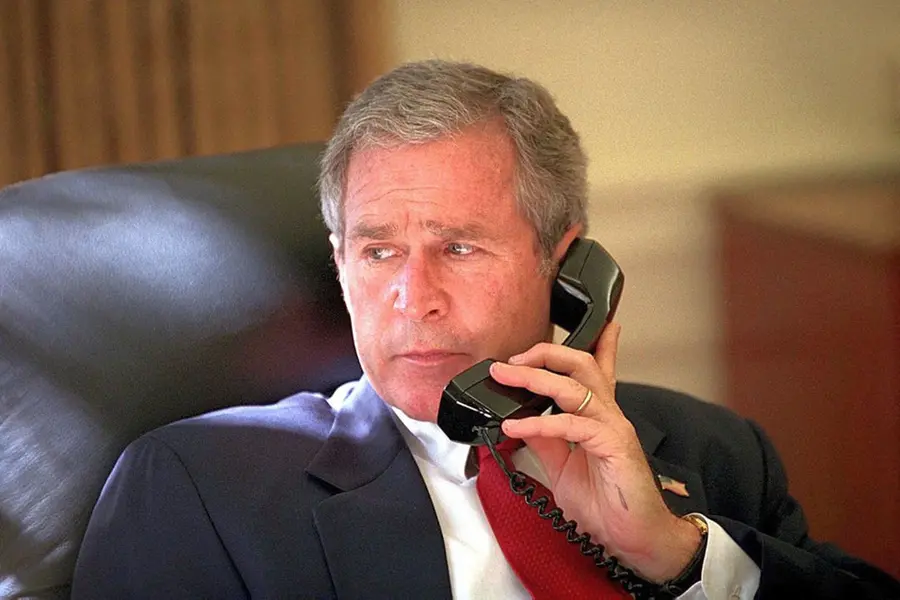
While the spotlight often falls on President Bill Clinton’s 2000 visit, it was George W Bush who truly elevated the US-India relationship. Despite Clinton’s promise to ease economic sanctions after India’s nuclear tests in Pokhran in 1998, it was Bush, an ardent Republican and a strong supporter of India, who transformed that promise into action. Leading the nation during the turbulent post-9/11 period, Bush solidified America’s strategic partnership with India, focusing on defense collaboration, trade relations, and energy cooperation.
Bush’s 2006 visit to India was highlighted by the signing of the historic US-India Civil Nuclear Agreement, a breakthrough moment that brought India out of nuclear isolation and into closer alignment with the US. His tenure is remembered as a golden era for Indians in the US, and Bush became known for his efforts to foster cultural ties, including the celebration of Diwali at the White House.
The First Diwali Celebration at the White House
In 2003, Diwali was celebrated at the White House for the first time, symbolizing the growing cultural recognition of Indian Americans. Although President Bush was not present, his chief political advisor, Karl Rove, presided over the event, lighting the ceremonial brass lamp and conveying Bush’s personal greetings. The event, held in the Indian Treaty Room, featured traditional prayers, Kathak dance performances, and Indian cuisine. Rove’s presence highlighted the administration’s sensitivity to the growing influence of the Indian American community, marking it as a historic moment for cultural integration and a symbol of the "special connection" between India and the United States.
US Presidents’ Visits to India: A Timeline
1. Dwight D. Eisenhower (1959) - First US president to visit, establishing early diplomatic ties.
2. Richard Nixon (1969) - Brief visit marked by strained relations due to US-Pakistan ties.
3. Jimmy Carter (1978) - Promoted global cooperation but faced challenges over India’s nuclear program.
4. Bill Clinton (2000) - Reopened dialogue after 22 years, focusing on technology and economic growth.
5. George W Bush (2006) - Strengthened strategic partnership with the landmark nuclear deal.
6. Barack Obama (2010, 2015) - First to visit twice; emphasized trade, defense, and climate change.
7. Donald Trump (2020) - Emphasized defense deals and cultural ties, receiving a massive welcome in Ahmedabad.
8. Joseph R Biden (2023) - Met Prime Minister Modi and attended the G20 Leaders’ Summit in New Delhi.
Published: 01 Nov 2024, 11:48 am IST
Disclaimer: Kindly avoid objectionable, derogatory, unlawful and lewd comments, while responding to reports. Such comments are punishable under cyber laws. Please keep away from personal attacks. The opinions expressed here are the personal opinions of readers and not that of Mathrubhumi.
