
US Justice Department investigates H-1B visa misuse, urging Americans to report unfair hiring practices
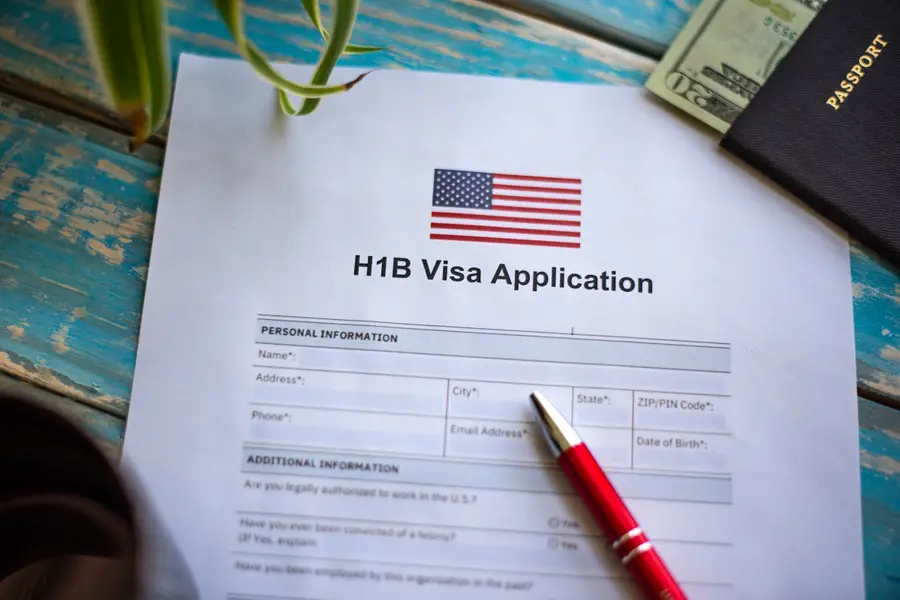
Washington: The US Department of Justice (DoJ) has stepped up scrutiny of hiring under the H-1B visa program, urging workers and employers to report cases where American citizens are being passed over in favour of foreign visa holders.
The initiative is being led by Harmeet Dhillon, the India-born Assistant Attorney General for Civil Rights at the DoJ. Dhillon was personally selected by US President Donald Trump shortly after his December election victory last year.
On Thursday, Dhillon announced that the department has opened “several” investigations and taken action against “some” employers already. “Send us your leads,” she urged Americans to reach out on the DoJ hotline.
The H-1B program, which issues up to 85,000 new visas annually, allows US companies to employ skilled foreign professionals in fields including technology and engineering. Critics, such as US Commerce Secretary Howard Lutnick and Florida Governor Ron DeSantis, argue the program permits outsourcing firms to lower wages and displace domestic talent.
In an interview with Fox News on Tuesday, Lutnick termed the current H1B visa system “a scam” and called upon US businesses to prioritise hiring of “American workers.”
Lutnick also announced that he is “involved in changing” it. DeSantis, too, raised similar concerns, calling the programme a “cottage industry.”
The Department of Homeland Security has also proposed changes to the existing system by eliminating the lottery setup with a “weighted selection process.”
Indian nationals account for over 70 per cent of H-1B visa approvals each year, largely due to a high volume of skilled applicants and a substantial backlog.
Indian workers account for over 70 per cent of the H-1 visa approvals each year, primarily due to a huge backlog in approvals and a high number of skilled immigrants from the country.
In a related move on Wednesday, the Trump administration revealed plans to limit visas for international students by capping them at four years. India is the leading source of international students in the US, with over 330,000 arriving in 2024, followed by China.
IANS
Published: 30 Aug 2025, 07:45 am IST
Disclaimer: Kindly avoid objectionable, derogatory, unlawful and lewd comments, while responding to reports. Such comments are punishable under cyber laws. Please keep away from personal attacks. The opinions expressed here are the personal opinions of readers and not that of Mathrubhumi.
