
The United States and Iran are preparing to sign a peace agreement in Geneva after reaching a ceasefire that ends more than three months of conflict.
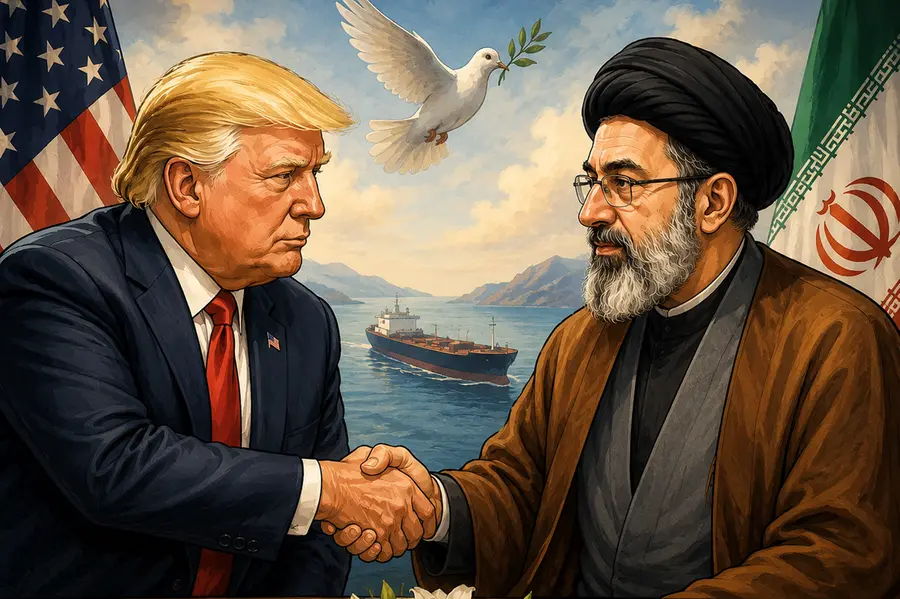
Washington: The United States and Iran have agreed to an immediate halt to hostilities, paving the way for a formal peace accord expected to be signed in Geneva later this week and opening a new phase of negotiations over Tehran's nuclear programme, sanctions relief and regional security.
The agreement, brokered with the involvement of Pakistan and Qatar, marks the most significant diplomatic breakthrough since fighting erupted more than three months ago. Both Washington and Tehran have confirmed the arrangement, which is expected to end military operations across multiple fronts and lay the groundwork for talks aimed at resolving long-standing disputes.
The deal is also intended to restore commercial shipping through the Strait of Hormuz, a critical energy corridor through which roughly one-fifth of the world's oil and liquefied natural gas supplies moved before the conflict disrupted traffic. However, officials and analysts caution that full operations may not resume immediately because of ongoing security concerns, infrastructure damage and the need to clear maritime hazards.
Geneva signing and next phase of talks
Iranian officials said the formal signing ceremony is scheduled to take place in Geneva on June 19. According to Tehran, the agreement establishes a 60-day framework during which both sides will work towards a comprehensive settlement.
Iran's Deputy Foreign Minister Kazem Gharibabadi said the accord would create a pathway towards a broader agreement once the United States fulfils its commitments.
"Negotiations for a final deal will be held during a 60-day period after verifying that the USA implemented its commitments under the deal, including ending hostilities, lifting the blockade, and releasing frozen assets,"
He added that delegations from both countries would meet during the signing ceremony to determine the format and future direction of negotiations.
Iranian officials said the memorandum reflects Tehran's key negotiating positions and that the text will be made public after it is formally signed.
"This memorandum of understanding does not mean trusting the enemy. We will monitor the implementation of US commitments,"
What Iran wants
Iran has indicated that implementation of the agreement will depend on the United States following through on several commitments, including ending military operations, removing restrictions on Iranian shipping and releasing frozen Iranian assets.
The country's Supreme National Security Council said the agreement provides for an immediate cessation of military activity and the lifting of measures that restricted maritime trade.
"Based on the agreements reached, the war and military operations on all fronts, including Lebanon, will end immediately and permanently as of tonight, and in addition, the naval blockade against Iran will end immediately and completely,"
The council also signalled that discussions on a final settlement would only proceed after Tehran was satisfied that Washington had honoured its obligations.
"Negotiations for a final agreement will be postponed until after the other party has fulfilled its obligations under the Memorandum of Understanding. The Islamic Republic of Iran appreciates the efforts of the Islamic Republic of Pakistan and the Government of Qatar. Peace be upon you, God's mercy and blessing."
Iranian media reports suggested that discussions could include the release of billions of dollars in frozen Iranian funds and future arrangements concerning the country's stockpile of highly enriched uranium.
What the United States wants
For Washington, the agreement creates an opportunity to address concerns over Iran's nuclear activities while reducing tensions in one of the world's most strategically important regions.
President Donald Trump announced the lifting of the US naval blockade and welcomed the reopening of the Strait of Hormuz.
"The deal with the Islamic Republic of Iran is now complete. I hereby fully authorise the toll-free opening of the Strait of Hormuz and, simultaneously herewith, authorise the immediate removal of the United States Naval blockade.Ships of the World, start your engines. Let the oil flow,"
US officials have indicated that future negotiations will focus on preventing Iran from advancing its nuclear programme and determining the fate of its highly enriched uranium stockpile.
Sanctions relief is also expected to be linked to Iran's compliance with the terms of any future agreement.
Unanswered questions over the agreement
Despite the announcements from both sides, several aspects of the deal remain unclear.
Iranian media reported that Washington could release billions of dollars in frozen Iranian assets before negotiations begin and potentially unlock additional funds during the 60-day process. The Trump administration has not publicly confirmed those figures.
Observers say the details may become contentious as negotiators attempt to bridge major differences over sanctions, nuclear restrictions and verification mechanisms.
Global reaction and economic impact
The agreement was welcomed by governments and international organisations that had expressed concern over the escalating conflict.
UN Secretary-General Antonio Guterres described the accord as a critical step towards ending the war, while Britain, France, Germany and Italy said they were prepared to work with both sides towards a long-term diplomatic settlement and consider lifting sanctions on Iran.
Financial markets also responded positively. Oil prices fell sharply in early trading on Monday, while stock markets in Asia advanced amid expectations that energy supplies could gradually return to normal.
The closure of the Strait of Hormuz had disrupted global trade, driven up fuel costs and added pressure to supply chains across multiple industries.
US Vice President JD Vance said the agreement could bring lasting economic benefits to the region.
"What we're going to be able to do is drive down the cost of energy, not just now but for the long term, and create a real engine of prosperity in the Middle East,"
Background to the conflict
The conflict began in late February following US-Israeli strikes on Iran. Tehran responded with attacks targeting Israel and American allies in the region and sharply restricted shipping through the Strait of Hormuz. The United States later imposed a naval blockade on Iranian ports.
Throughout negotiations, both sides offered differing accounts of what any settlement should include, with Iran insisting on maintaining its influence over the strategic waterway and the United States rejecting any arrangement that would threaten freedom of navigation through the strait.
The Geneva meeting is expected to determine whether the ceasefire can evolve into a broader agreement capable of ending one of the region's most consequential conflicts in recent years.
(With agency inputs)
Published: 15 Jun 2026, 10:28 am IST
Related Topics
Disclaimer: Kindly avoid objectionable, derogatory, unlawful and lewd comments, while responding to reports. Such comments are punishable under cyber laws. Please keep away from personal attacks. The opinions expressed here are the personal opinions of readers and not that of Mathrubhumi.
