
The United States and Iran are reportedly close to signing a landmark peace memorandum in Geneva on June 14. The proposed framework could pave the way for renewed diplomacy, sanctions relief, nuclear commitments and the reopening of the Strait of Hormuz.
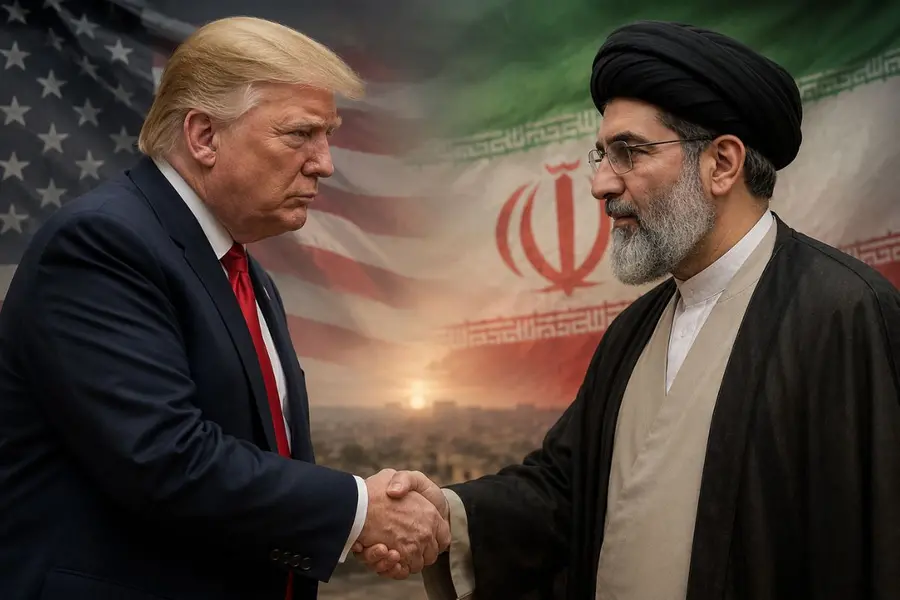
Geneva is emerging as the likely venue for a potentially historic diplomatic breakthrough as the United States and Iran move closer to signing a peace memorandum that could reshape relations between the two long-time adversaries.
According to multiple reports, negotiations are in their final stages, with officials from both sides expressing cautious optimism.
The proposed memorandum of understanding (MOU), expected to be signed on June 14 if talks conclude successfully, aims to address regional security concerns, sanctions relief, nuclear commitments and maritime stability in the Gulf.
Pakistan, which has for weeks sought to broker a deal between Washington and Tehran, claimed on Friday that a final text of the agreement had already been reached.
However, there was no immediate official confirmation from either the United States or Iran.
‘Pakistan is now working closely with both sides to finalise the next steps,’ Pakistan Prime Minister Shehbaz Sharif said in a post on X.
The developments come amid intense diplomatic activity following months of regional tensions and conflict involving Iran, Israel and the United States.
What are the key points of the proposed deal?
1. Iran to commit against nuclear weapons
A US official told Reuters that Iran would formally commit to neither developing nor acquiring nuclear weapons under the proposed agreement. Tehran's stockpile of highly enriched uranium would reportedly be destroyed on-site before being removed from the country.
The move is expected to become one of the cornerstone provisions of the agreement and could revive broader nuclear negotiations between the two countries.
2. Agreement to be implemented in two phases
Iranian Foreign Minister Abbas Araghchi said both sides were moving closer to an understanding and indicated that the process would unfold in two stages.
The first phase would focus on implementing the initial memorandum of understanding, while a second phase would involve negotiations on a comprehensive agreement over a period of up to 60 days.
Sensitive issues such as uranium enrichment and the removal of US sanctions are expected to be addressed during the second phase.
3. Strait of Hormuz could reopen
One of the most significant elements of the proposed deal involves the reopening of the strategically vital Strait of Hormuz.
Under the draft framework, Iran would allow normal oil traffic through the waterway, while the United States would lift its naval blockade. Washington is reportedly seeking uninterrupted passage for commercial vessels without additional tolls.
The strait handles roughly one-fifth of the world's crude oil shipments, making its reopening critical for global energy markets.
4. Release of frozen Iranian assets
The agreement could also pave the way for the release of frozen Iranian assets if Tehran complies with its nuclear commitments.
According to US officials, Iran would need to relinquish approximately 900 pounds of highly enriched uranium.
In return, Washington could ease economic pressure through sanctions relief and the unfreezing of assets held abroad.
The measure is viewed as a key incentive for Tehran to move forward with the agreement.
5. End to hostilities in Lebanon
Iran has continued to push for an end to fighting involving the Iranian-backed Hezbollah movement in Lebanon.
‘We never forgot Lebanon,’ Araghchi said, suggesting that the broader framework envisions a reduction in hostilities across multiple fronts, including Lebanon, where clashes involving Israel and Hezbollah have intensified in recent months.
Trump rejects leaked terms
Meanwhile, leaked details of the proposed memorandum have sparked political controversy in the United States.
Reports citing Western, Pakistani and Iranian sources suggested that several provisions appeared favourable to Tehran, drawing criticism from US President Donald Trump.
Trump dismissed the leaked accounts, insisting they did not reflect the actual agreement under negotiation.
‘The terms that Iran leaked out to the Fake News have NOTHING to do with the terms that were agreed to, in writing,’ Trump wrote on his Truth Social platform.
Calling the reports misleading, he added that the leaked versions bore little resemblance to the framework currently being discussed.
While significant details remain unresolved, diplomats and observers are closely watching Geneva, where June 14 could mark one of the most consequential diplomatic developments in US-Iran relations in years.
Published: 13 Jun 2026, 10:35 am IST
Disclaimer: Kindly avoid objectionable, derogatory, unlawful and lewd comments, while responding to reports. Such comments are punishable under cyber laws. Please keep away from personal attacks. The opinions expressed here are the personal opinions of readers and not that of Mathrubhumi.
