
Donald Trump’s confirmation that the US may sell 48 F-35 stealth fighters to Saudi Arabia has triggered fresh strategic concerns in India, with experts warning the deal could tilt regional power balances, benefit Pakistan indirectly, and open doors to Chinese tech access.
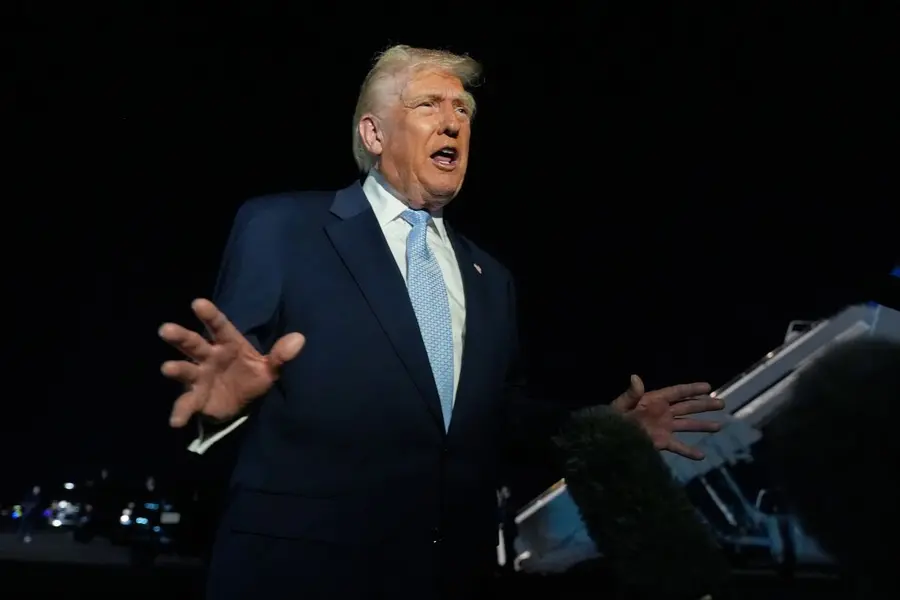
Former US President Donald Trump has confirmed that the United States is prepared to sell advanced F-35 stealth fighter jets to Saudi Arabia—an unprecedented move that has triggered alarm across Israel and India over its strategic fallout.
Speaking in the Oval Office on November 17, a day before hosting Saudi Crown Prince Mohammed bin Salman, Trump said, “We’ll be doing that, we’ll be selling F-35s,” effectively signalling a major break from long-standing US policy that restricted such technology in the region.
Saudi Arabia has sought up to 48 F-35 jets, which would make it the first Arab country to operate the fifth-generation platform. Until now, Israel has been the sole Middle Eastern operator of the US stealth fighter.
The announcement has drawn sharp pushback in Israel. A formal IDF position paper submitted to its political leadership on November 17 warned that the sale would erode Israel’s qualitative military edge, mandated under US law.
Israeli officials also fear the deal could slow down their own pending F-35 orders due to production-line load.
US defense intelligence officials have separately cautioned the administration about the potential for Chinese access to F-35 technology, citing Riyadh’s deepening strategic cooperation with Beijing—including joint naval exercises and expanding defense-industrial links.
India, too, is watching the development with unease. New Delhi’s concerns stem from the Saudi-Pakistan mutual defense pact, under which an attack on either nation is considered an attack on both.
Analysts warn that advanced Western systems introduced into Saudi inventory could eventually give Pakistan indirect exposure to F-35-level capabilities.
Indian defense experts say a Saudi F-35 fleet could reset regional air-power balances and fuel a new Middle East–South Asia arms race, forcing India to rethink its own air-defense and stealth-acquisition timelines.
Published: 18 Nov 2025, 11:17 pm IST
Related Topics
Disclaimer: Kindly avoid objectionable, derogatory, unlawful and lewd comments, while responding to reports. Such comments are punishable under cyber laws. Please keep away from personal attacks. The opinions expressed here are the personal opinions of readers and not that of Mathrubhumi.
