
Iranian Foreign Minister Abbas Araghchi earlier said he had put forward a "fair and balanced" proposal to European powers to prevent the return of sanctions.
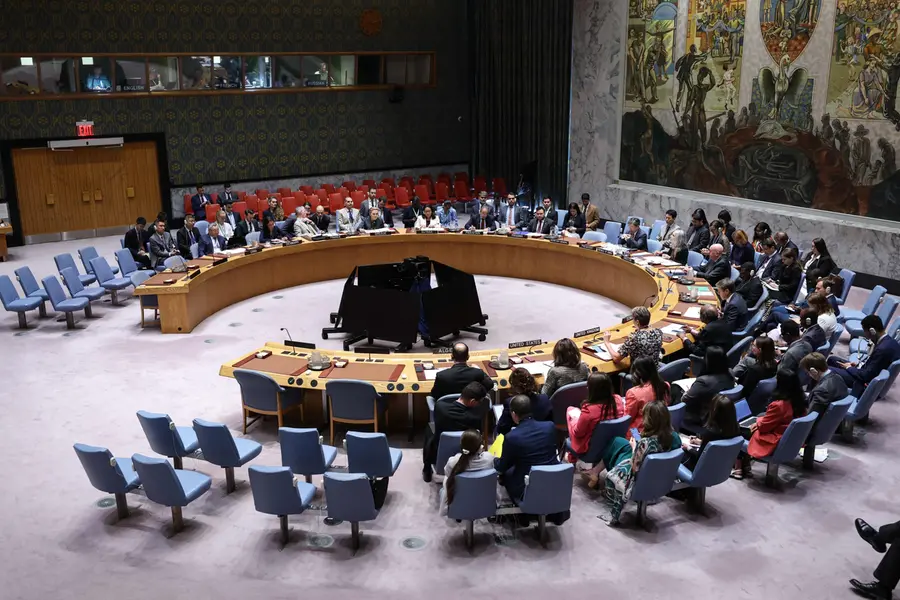
United Nations: The United Nations Security Council on Friday, under European pressure, voted to reimpose sweeping economic sanctions on Iran over its resurgent nuclear program, prompting a sharp reaction from Tehran.
Britain, France, and Germany, all signatories to the 2015 Joint Comprehensive Plan of Action (JCPOA) aimed at preventing Iran from acquiring nuclear weapons, accused Tehran of violating its commitments.
"We urge (Iran) to act now," said British ambassador Barbara Woodward, casting a vote against a resolution that would have extended the suspension of sanctions. She added that diplomacy remains possible at the UN General Assembly next week, when heads of state and government gather in New York.
But Iran’s envoy to the UN, Amir Saeid Iravani, described the vote as the "politics of coercion."
"Today's action is hasty, unnecessary and unlawful. Iran recognises no obligation to implement it," he said.
Iranian Foreign Minister Abbas Araghchi earlier said he had put forward a "fair and balanced" proposal to European powers to prevent the return of sanctions.
Ahead of the vote, French President Emmanuel Macron told an Israeli television interview that he expected international sanctions to be reinstated by the end of the month. However, the French ambassador to the UN emphasised that a negotiated settlement remains possible.
In mid-August, the "European Three" accused Iran of breaching several JCPOA commitments, including amassing a uranium stockpile over 40 times the permitted level. Despite extensive diplomatic talks, the European powers said there was no progress.
"The Council still has time to greenlight a further resolution extending the suspension of sanctions -- if Iran and the Europeans reach a last-minute bargain," Gowan noted.
Israel welcomed the Security Council’s move, while Algeria, China, Pakistan, and Russia opposed it.
"The international community's goal must remain unchanged: to prevent Iran from ever acquiring nuclear capabilities," Israeli Foreign Minister Gideon Saar posted on X.
Western powers and Israel have long accused Tehran of seeking nuclear weapons, a claim Iran denies. The 2015 JCPOA has been severely weakened since the United States withdrew in 2018 and reimposed sanctions. Tehran gradually suspended its commitments and ramped up nuclear activities, with tensions escalating following the 12-day war between Iran and Israel in June.
The conflict also stalled nuclear negotiations with the US and led Iran to suspend cooperation with the International Atomic Energy Agency (IAEA). Inspectors from the Vienna-based UN body left shortly after. Tehran withdrew a draft IAEA resolution late Thursday that sought to ban attacks on nuclear facilities, citing US pressure.
Published: 19 Sept 2025, 09:46 pm IST
Related Topics
Disclaimer: Kindly avoid objectionable, derogatory, unlawful and lewd comments, while responding to reports. Such comments are punishable under cyber laws. Please keep away from personal attacks. The opinions expressed here are the personal opinions of readers and not that of Mathrubhumi.
