
US President Donald Trump warned that Iran could be taken out in one night as ceasefire talks stall
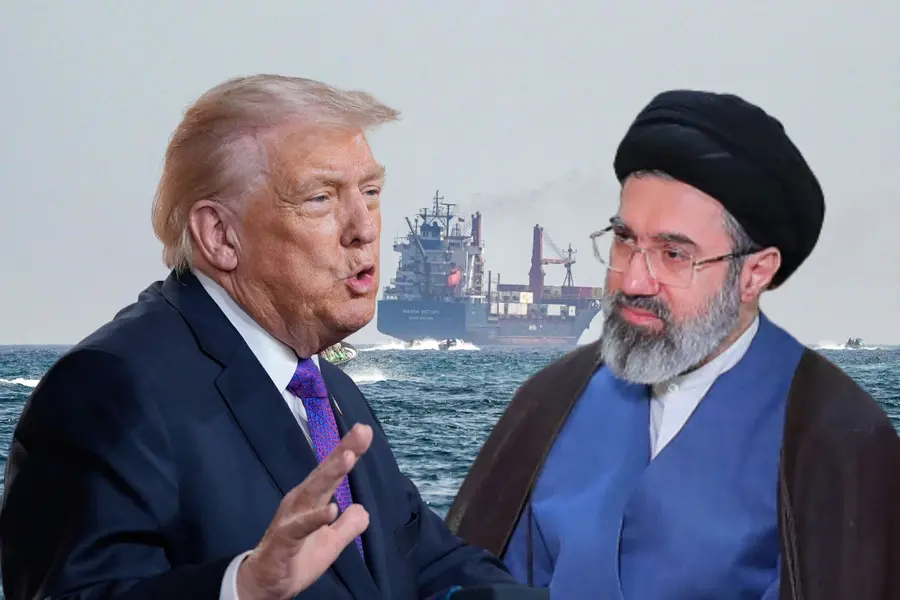
Washington: US President Donald Trump issued a stark warning on Monday that entire Iran “could be taken out in one night”. The comments came during a press conference at the White House, just hours before a self‑imposed deadline for Iran to reopen the strategically crucial Strait of Hormuz or face further US strikes on civilian infrastructure.
At the briefing, Trump said his administration had received a proposal from Iran that was aimed at ending the war but added that while it was a “very significant step”, “it’s not good enough” to halt the conflict. He warned Tehran that if it did not meet US demands, the entire country could be struck swiftly.
“They don’t want to cry, as the expression goes, ‘uncle,’ but they will, and if they don’t, they’ll have no bridges,” Trump told reporters, underlining that he was unlikely to extend his deadline for action.
The US President was joined by his senior national security team, including Defence Secretary Pete Hegseth and special envoy Steve Witkoff. His children, Eric and Tiffany Trump, along with their spouses, were also present.
Opening the news conference, Trump described the occasion as “one of our better Easters" and began by discussing the dramatic rescue of two US airmen in Iran over the past weekend.
Iran rejects ceasefire, insists on permanent end to war
Meanwhile, Iran has formally rejected a proposed ceasefire offer, delivering a 10‑clause counter‑response via Pakistan to the United States. The state‑run Islamic Republic News Agency reported that Tehran wants a permanent end to the war, the lifting of sanctions, reconstruction packages and protocols for safe passage through the Strait of Hormuz, rather than a temporary halt to hostilities.
Iran has also emphasised that any agreement should result in a lasting resolution of the conflict rather than a short‑term truce.
Strait of Hormuz remains central to conflict
The Strait of Hormuz, a vital shipping lane through which a significant portion of the world’s oil supplies transit, has been at the centre of the crisis since Iran’s Revolutionary Guard declared restrictions on passage following US‑led strikes earlier this year.
Trump has insisted that the strait be reopened as part of any deal, warning that continued closure would prompt further US military action. Iran’s rejection of a temporary ceasefire that would reopen Hormuz has further underscored the deep divisions between the two sides.
The conflict has already shaken global energy markets, with oil prices remaining elevated amid concerns over supply disruptions if the strait remains closed. Analysts say continued hostilities and diplomatic deadlock could deepen economic uncertainty and prolong the crisis.
With agency inputs
Published: 06 Apr 2026, 10:59 pm IST
Related Topics
Disclaimer: Kindly avoid objectionable, derogatory, unlawful and lewd comments, while responding to reports. Such comments are punishable under cyber laws. Please keep away from personal attacks. The opinions expressed here are the personal opinions of readers and not that of Mathrubhumi.
