
Trump’s waiver removes the immediate threat of additional tariffs on major buyers of Russian energy, including India, ahead of the deadline.
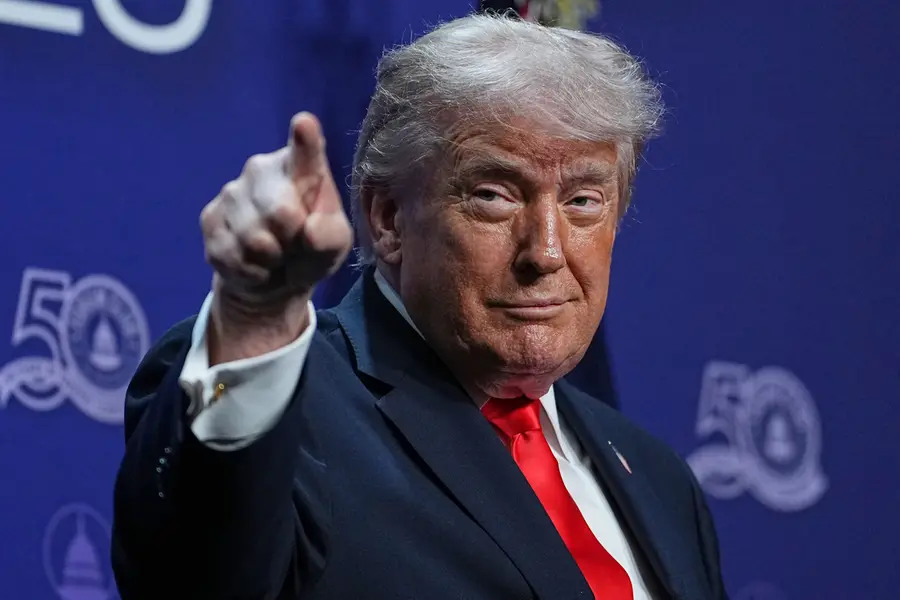
Washington: US President Donald Trump has waived the application of sanctions, restrictions and duties provided for under the newly enacted Lindsey O. Graham Sanctioning Russia and Iran Act, days before several measures were due to take effect, citing the national interest of the United States.
In an executive order issued on Friday, Trump said he had submitted the required certification to Congress stating that the waiver was in the US national interest.
Also Read

The move provides immediate relief to countries such as India and China, among the world's largest buyers of Russian oil and gas, from tariffs envisaged under the legislation.
Trump waives sanctions, duties under Graham Act
The Graham Act, signed into law by Trump in September, gave the US president sweeping powers to impose sanctions on Russia and steep tariffs on countries that continue to purchase Russian energy or facilitate sanctions evasion.
The law provided for tariffs of up to 100% on goods from the five largest importers of Russian crude oil or gas under specified conditions. It also allowed duties of up to 500% on Russian goods.
The waiver comes ahead of the October 18 deadline for duties targeting countries that buy Russian energy. Trump's latest order waives duties provided for under Sections 112 and 113 of the Act, along with several sanctions and restrictions covering foreign persons and other categories.
The waiver does not remove all existing US sanctions on Russia. Measures imposed under earlier executive orders remain unaffected.
India had faced tariff concerns
The decision comes after Washington had repeatedly pressured India to reduce its purchases of Russian energy.
Under the Graham Act, countries among the largest buyers of Russian crude and natural gas could have faced additional tariffs if they continued qualifying purchases after the specified deadline.
The latest waiver therefore removes the immediate threat of those duties, although the US administration has retained powers to monitor Russian energy purchases and reconsider the measures.
Trump has directed the US Trade Representative to monitor countries' purchases of Russian-origin crude oil and natural gas, as well as efforts to evade sanctions.
Also read | US weighs ‘Mother of All Bombs’ for Iran strikes: Can it destroy underground nuclear sites?
Trump cites US national interest
"I have submitted to the Congress a certification that the issuance of such a waiver at this time is in the national interests of the United States," Trump said in the executive order.
The waivers will remain in effect until Trump or, where authorised, the Secretary of State determines that further action is necessary.
The order also leaves the administration with the ability to respond to developments involving Russian energy purchases and sanctions evasion.
Move follows Russian diesel deal
The waiver comes shortly after Trump announced an arrangement involving Russian diesel supplies, following what he described as a successful discussion with Russian President Vladimir Putin.
Trump said Russia had agreed to supply more than 300,000 tonnes of diesel immediately, with additional shipments expected in November and subsequent months.
The US president has linked the move to efforts to bring down fuel prices, which have become a growing political concern ahead of the November 3 midterm elections.
Also read | Marco Rubio to visit Mumbai, Jamnagar as US deadline on Russian oil nears: Why now?
Ukraine war adds to tensions
The policy shift comes amid worsening tensions between Trump and Ukrainian President Volodymyr Zelenskyy.
Zelenskyy has criticised Trump's diesel arrangement with Russia, while Trump has publicly criticised the Ukrainian leader and questioned his leadership.
Meanwhile, Russian forces continued attacks across Ukraine, with strikes reported in nine regions. Ukrainian officials said the attacks disrupted power supplies to hundreds of thousands of households and wounded at least 15 people.
UN report said 328 civilians were killed and 2,105 injured in Ukraine in September, with civilian casualties 85% higher than in the same month last year.
The latest developments come as Ukraine prepares for winter and seeks continued US and European support amid intensifying Russian attacks on its energy infrastructure.
Published: 17 Oct 2026, 07:50 am IST
ABOUT THE AUTHOR
Related Topics
Disclaimer: Kindly avoid objectionable, derogatory, unlawful and lewd comments, while responding to reports. Such comments are punishable under cyber laws. Please keep away from personal attacks. The opinions expressed here are the personal opinions of readers and not that of Mathrubhumi.