
The tariffs, controversially threatened using Depression-era legislation, provided the US leverage amid ongoing trade and USMCA renegotiations.
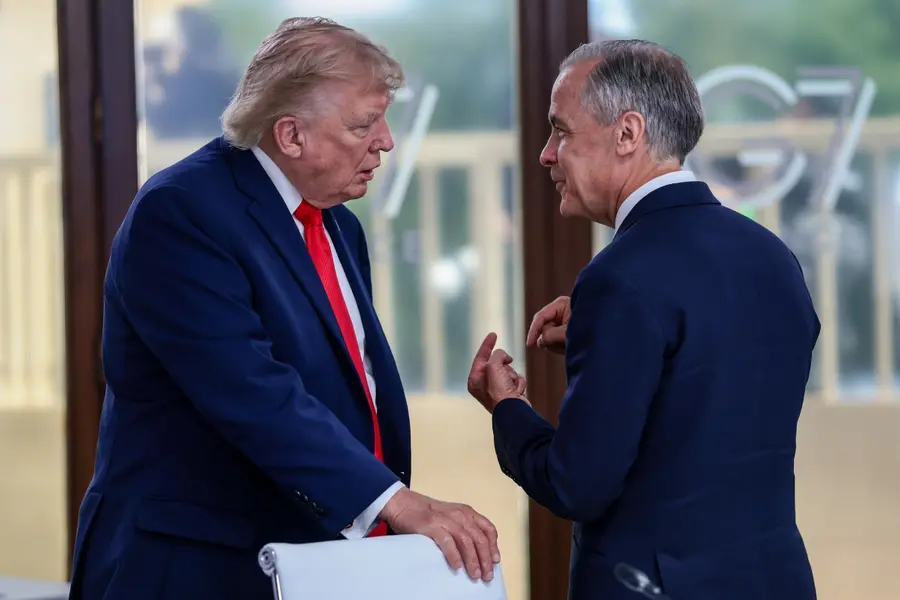
Washinton: President Donald Trump said on Tuesday he was postponing 50 per cent US tariffs on $20 billion worth of Canadian imports after the two nations struck an Eleventh-hour agreement mere hours before the sanctions were set to take effect.
The announcement, posted by Trump on his social media network, provides extra time for continued negotiations and temporarily averts another strain in already delicate relations between the long-standing allies.
“I have paused the 50% Tariffs against Canada, that were scheduled to kick in tomorrow morning for a three-day period, based on the fact that Canada and the USA, subject to the finalisation of documents, have a DEAL!” Trump posted on Truth Social under two hours ahead of the 12.01 a.m. Wednesday deadline.
Had they been implemented as planned at 12.01 am Wednesday, Trump’s import duties would have affected Canadian goods ranging from ice hockey sticks to tongue depressors.
However, the political fallout likely would have eclipsed the economic impact. Canada had threatened to retaliate against any fresh tariffs with duties of its own, threatening to escalate a trade dispute between nations that exchanged $880 billion in goods and services last year.
Canadian officials did not immediately respond to requests for comment on Tuesday evening.
Canadian Prime Minister Mark Carney and Trump spoke by telephone twice over the past two days regarding the ongoing discussions, including a call on Tuesday afternoon, Carney’s office stated, highlighting the late push to secure an agreement.
Both nations had incentives to pull back from the brink. Roughly 72 per cent of Canada’s exports of goods last year were destined for the United States. Meanwhile, the Trump administration faced political risk by levying a substantial new tariff — absorbed by American importers who attempt to pass the expense to consumers through higher prices — ahead of November’s mid-term elections. US voters are already expressing frustration with elevated living costs.
“I don’t think either side really wants these tariffs to come into effect,’’ Ryan Majerus, a partner at King & Spalding and former US trade official, remarked prior to the announced delay. “There’s a pretty strong push on both sides to find an off-ramp here.’’
Trump’s strategy towards Canada represents a sharp departure from the historically collaborative relationship shared by the two countries. Trump has targeted Canadian products with tariffs in an effort to bring manufacturing back to the US, whilst repeatedly making provocative statements about annexing Canada as America’s 51st state.
Trump has made tariffs the cornerstone of his second-term economic program. Last year, he imposed double-digit import duties on nearly every nation, citing the long-standing US trade deficit as a national emergency. In February, the Supreme Court ruled he had exceeded his statutory authority, striking down those tariffs and laying the groundwork for the federal government to issue refunds to importers.
Consequently, Trump has sought alternative legal grounds to implement tariffs.
To target Canada, he reached back to the Great Depression era, invoking Section 338 of the Tariff Act of 1930 to threaten 50 per cent tariffs on products accounting for roughly 5 per cent of Canadian exports to the United States.
Almost a century ago, amidst global economic collapse, Congress passed the 1930 trade legislation levying duties on worldwide imports. Popularly known as the Smoot-Hawley tariffs after their congressional sponsors, the measures are notorious among economists and historians for stifling international commerce and worsening the Great Depression.
Section 338 tariffs have never previously been utilised.
Section 338 empowers the president to levy tariffs of up to 50 per cent on imports from countries deemed to have discriminated against American businesses. No prior investigation is required to justify the duties, nor is there any statutory cap on how long the tariffs can remain in place.
The US is currently renegotiating the United States-Mexico-Canada Agreement (USMCA) — the North American trade deal Trump pressed regional neighbours into accepting during his first term. The threat of Section 338 tariffs provides Washington with leverage as it seeks new concessions from Ottawa.
AP
Published: 19 Aug 2026, 09:16 am IST
ABOUT THE AUTHOR

Related Topics
Disclaimer: Kindly avoid objectionable, derogatory, unlawful and lewd comments, while responding to reports. Such comments are punishable under cyber laws. Please keep away from personal attacks. The opinions expressed here are the personal opinions of readers and not that of Mathrubhumi.