
Trump cited public safety concerns, while critics argue cashless bail disproportionately affects people with low-income. He also signed an order directing the Justice Department to explore prosecuting flag burning under alternative charges
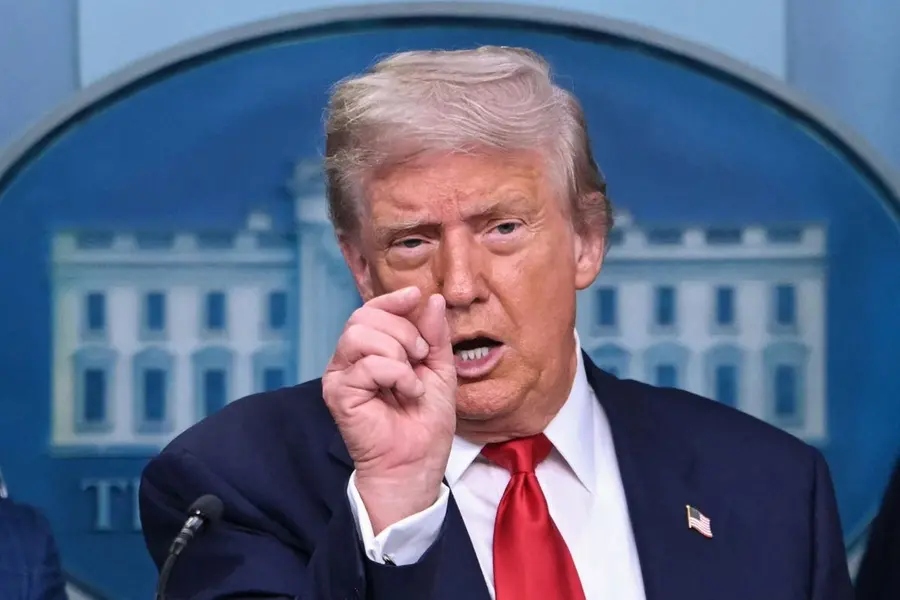
Washington: President Donald Trump on Monday signed two executive orders aimed at stopping the practice of cashless bail, beginning with the nation’s capital and pressing other cities to follow suit.
What do the new executive orders say?
According to the White House, the first order will require law enforcement agencies in Washington, D.C. to ensure that those arrested are kept in federal custody “to the fullest extent permissible under applicable law.”
The second order directs the Justice Department to identify jurisdictions that continue with cashless bail and warns that those areas could lose federal funding.
Why target cashless bail?
Several cities, including Washington, had reduced their reliance on cash bail due to concerns that people were being jailed only because they could not afford payment, not because they were a danger to society.
Critics of the system argue that it unfairly impacts low-income groups, stopping them from returning to their families or jobs. But supporters claim it prevents dangerous offenders from being released.
Trump, however, strongly defended his move.
“They thought it was discriminatory to make people put up money because they just killed three people lying on a street, any street all over the country, cashless bail — we’re ending it,” he said. “But we’re starting by ending it in DC, and that we have the right to do through federalisation.”
What about Washington’s crime levels?
The president has described crime in the capital as “out of control” and has already taken steps to tighten policing. He has assumed control of the city’s police department and deployed around 2,000 National Guard troops.
This comes despite data showing violent crime in Washington dropped to a 30-year low last year.
Has Trump clashed with other cities too?
Trump has repeatedly criticised Democratic-led states and cities for their handling of law and order. On Monday, he renewed attacks on Illinois Governor JB Pritzker and California Governor Gavin Newsom.
“I think the Democrats better get smart. And, you know, politically, I hope they don’t, but actually, in terms of love for the country, I hope they do, because it will be good to work together,” he said.
Earlier this month, Trump had also urged Congress to end Washington’s cashless bail system. The city largely removed the practice in the 1990s on civil rights grounds, making it one of the first in the US to do so.
Alongside the bail orders, Trump signed another executive order on Monday targeting flag burning. The directive instructs the Justice Department to review incidents where charges could be applied under existing laws such as public nuisance or disorderly conduct, even if they do not directly cover flag burning.
Trump has long pushed for punishment of those who burn the American flag, suggesting penalties including jail terms or loss of citizenship.
“We’re looking very strongly at flag burning,” he has said in the past.
But the courts have consistently protected the act as a form of political speech. In 1989, the US Supreme Court ruled 5–4 that flag burning is protected by the First Amendment and cannot be criminalised.
Published: 26 Aug 2025, 12:01 am IST
Related Topics
Disclaimer: Kindly avoid objectionable, derogatory, unlawful and lewd comments, while responding to reports. Such comments are punishable under cyber laws. Please keep away from personal attacks. The opinions expressed here are the personal opinions of readers and not that of Mathrubhumi.
