
In a landmark 6-3 ruling, the US Supreme Court has curbed the power of federal judges to issue nationwide injunctions
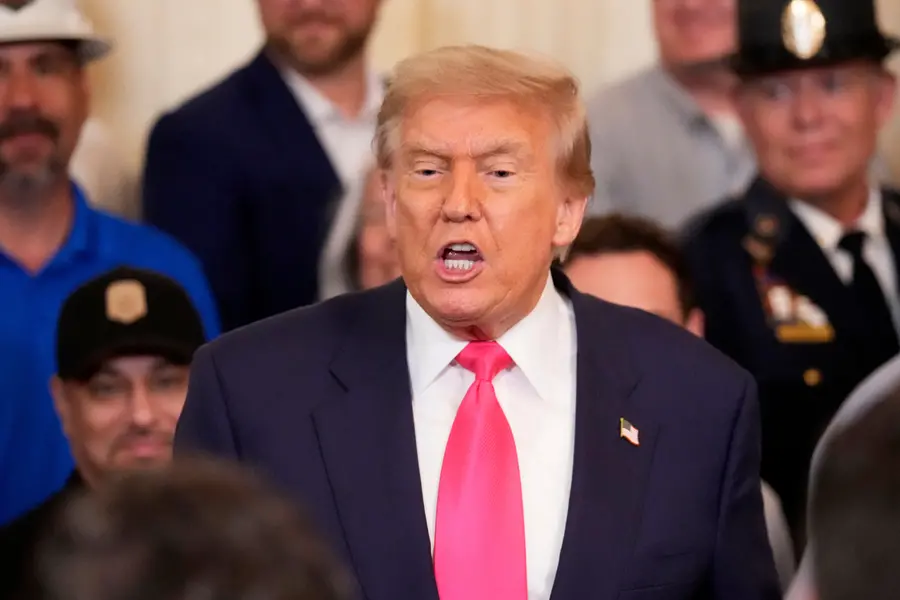
In a consequential 6-3 verdict on Friday, the US Supreme Court has ruled that individual federal judges can no longer issue nationwide injunctions against executive actions — a key procedural victory for Donald Trump’s administration and its ongoing legal push against birthright citizenship.
The case in question arose from Trump’s executive order signed on his first day back in office, which sought to revoke birthright citizenship for children born in the United States to undocumented immigrants. While the Supreme Court did not determine the constitutional validity of the order itself, it found that broad, country-wide injunctions “likely exceed the equitable authority that Congress has granted to federal courts.”
This ruling significantly curtails the ability of lower courts to block federal policies on a national scale, marking a departure from legal norms in recent years, where single-judge rulings have halted major government initiatives on issues like immigration, public health, and environmental regulation.
The core of Trump’s policy centres on a revised interpretation of the 14th Amendment, which currently guarantees citizenship to almost anyone born on US soil. This principle, upheld in the landmark 1898 decision United States v. Wong Kim Ark, has historically been viewed as a bedrock of American citizenship. Trump’s executive order argued that the amendment should not extend to those “not subject to the jurisdiction” of the United States — including undocumented immigrants.
Civil rights advocates, immigration lawyers, and multiple federal judges have pushed back strongly against the administration’s interpretation, warning it could upend long-established legal precedent and destabilise the status of millions.
The Department of Justice, defending the order, asserted that a single judge should not have the authority to halt federal policy across all jurisdictions, and asked the Supreme Court to restrict the scope of injunctions to the specific plaintiffs involved in each case. The court’s conservative majority agreed, effectively raising the bar for legal challenges to executive orders.
While the order on birthright citizenship remains unenforced for now, the ruling reshapes the battlefield. It does not preclude legal challenges altogether, but it limits the scope of how such challenges may disrupt federal policy. The administration has also requested permission to disclose future implementation plans should the policy eventually move forward.
In sum, the decision represents a judicial victory for Trump and a recalibration of the balance between the executive and judiciary. However, it stops short of deciding whether the redefinition of birthright citizenship is constitutional — a legal question likely to return to the courts in the coming months.
Published: 27 Jun 2025, 08:58 pm IST
Disclaimer: Kindly avoid objectionable, derogatory, unlawful and lewd comments, while responding to reports. Such comments are punishable under cyber laws. Please keep away from personal attacks. The opinions expressed here are the personal opinions of readers and not that of Mathrubhumi.
