
Trump is facing increasing domestic pressure to end the conflict, which has driven up the cost of fuel, food, and other goods
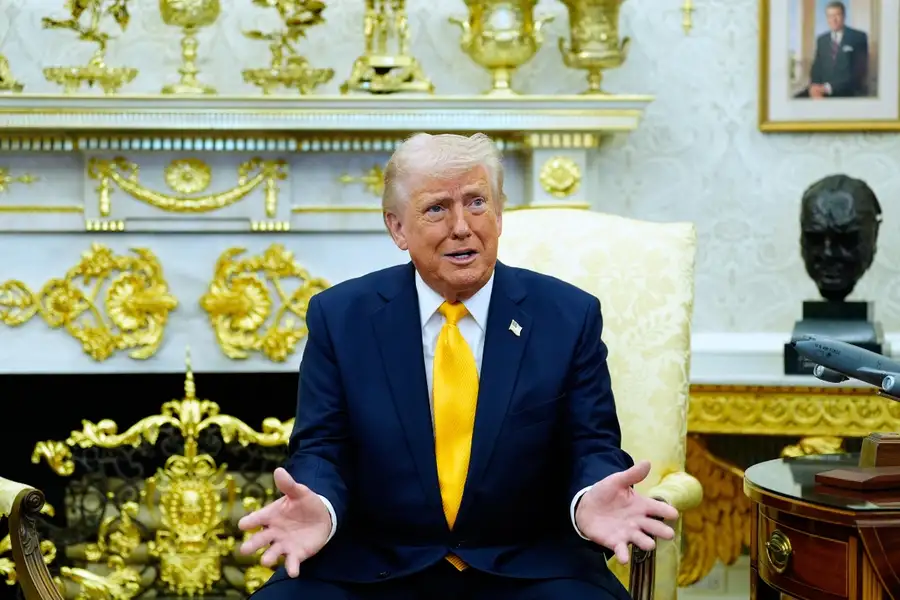
Washington: Donald Trump was due to address the nation on Wednesday evening, offering an update on the ongoing war in Iran in his first prime-time speech since launching joint strikes with Israel more than a month ago.
The address is expected to give Trump a major platform to clarify his objectives in the conflict, following weeks of shifting goals and at times contradictory messaging over whether the United States intends to scale back or escalate military operations. This comes as Iran continues its attacks on Israel and countries in the Persian Gulf, while airstrikes persist over Tehran.
The speech also takes place against a backdrop of rising oil prices, volatile financial markets, and polling indicating that many Americans believe US military involvement in Iran has gone too far. At the same time, additional US troops are being deployed to the region amid speculation about a possible ground offensive.
A White House official, speaking anonymously, said Trump would outline progress made in Iran and reiterate a projected timeline of two to three weeks to conclude operations.
Earlier on Wednesday, Trump struck a more aggressive tone on social media, warning Iran to stop blocking the Strait of Hormuz — a critical route for global oil supplies — or face severe military consequences. However, his remarks appeared to contradict earlier statements in which he suggested the US would not ensure the security of shipping in the strait.
ALSO READ | Supreme Court skeptical of Trump bid to end birthright citizenship
In another post, Trump claimed that Iran’s “new regime president” was seeking a ceasefire, though it remains unclear who he was referring to, as Iran’s leadership has not changed. Iran’s Foreign Ministry spokesman, Esmail Baghaei, dismissed the claim as “false and baseless”.
Speaking to Al Jazeera, Iranian Foreign Minister Abbas Araghchi signalled that Tehran is prepared to continue fighting. “You cannot speak to the people of Iran in the language of threats and deadlines,” he said. “We do not set any deadline for defending ourselves.”
Hours before Trump’s speech, Iranian President Masoud Pezeshkian posted a detailed message in English on social media, appealing directly to the American public. He argued that Iran had pursued negotiations before the US withdrew and questioned the benefits of the war for ordinary Americans.
Since the conflict began on 28 February, Trump has repeatedly suggested it could end soon, while also threatening to expand it. Thousands more US troops are now heading to the Middle East, fuelling uncertainty about Washington’s next steps.
The US has also raised the possibility of targeting Iran’s Kharg Island oil export hub and even deploying forces to secure Iran’s uranium stockpile — a move experts warn would be highly complex and dangerous.
Uncertainty remains over Israel’s role in any future developments, despite its ongoing participation in strikes against Iran.
ALSO READ | Trump signals quick US exit from Iran, says could return for ‘spot hits’
Trump is facing increasing domestic pressure to end the conflict, which has driven up the cost of fuel, food, and other goods. Brent crude prices have risen by more than 40% since the war began.
Washington has presented Iran with a 15-point ceasefire proposal, including demands to reopen the Strait of Hormuz and roll back its nuclear programme. Iran maintains that its nuclear activities are peaceful and has reportedly issued its own conditions, including retaining sovereignty over the strait.
Araghchi confirmed receiving messages from US Middle East envoy Steve Witkoff but said there were no direct negotiations and that trust between the two countries is “at zero”.
He also warned against any US ground offensive, saying Iran was prepared to respond.
Meanwhile, violence has spread across the region. A cruise missile struck an oil tanker off Qatar, forcing the crew to evacuate, though no casualties were reported. A Kuwaiti tanker was attacked near Dubai the previous day, part of a series of more than 20 maritime incidents attributed to Iran.
In the United Arab Emirates, one person was killed by debris from an intercepted drone in Fujairah. In Kuwait, a drone strike hit a fuel tank at Kuwait International Airport, causing a large fire.
Early on Thursday, Israel reported that Iran had launched further missile attacks.
According to Iranian authorities, more than 1,900 people have been killed in Iran, while 19 deaths have been reported in Israel. Additional casualties include more than two dozen people in Gulf states and the occupied West Bank, as well as 13 US service members.
Published: 02 Apr 2026, 06:33 am IST


Related Topics
Disclaimer: Kindly avoid objectionable, derogatory, unlawful and lewd comments, while responding to reports. Such comments are punishable under cyber laws. Please keep away from personal attacks. The opinions expressed here are the personal opinions of readers and not that of Mathrubhumi.
