
Nicolas Maduro’s journey from Chavez’s loyal protege to Venezuela’s isolated leader amid economic and political crises.
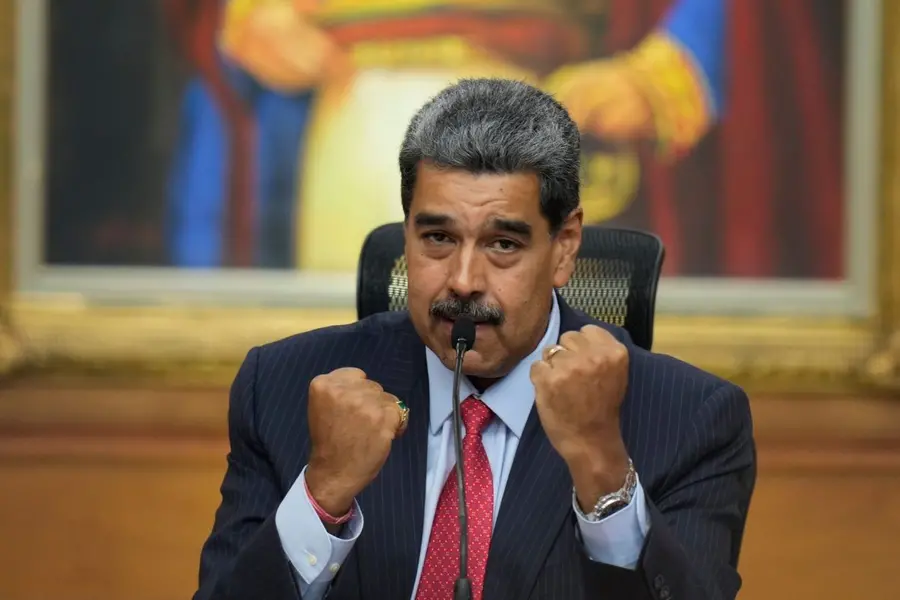
Born in 1962 in Caracas to a Leftist family, Nicolas Maduro began his career as a bus driver and union organiser, following in his father’s footsteps. He founded one of the Caracas Metro’s first informal labour unions, gaining experience in negotiation and leadership that would later define his political career.
Following Chavez: Loyalty over independence
In the early 1990s, Maduro became involved in Hugo Chavez’s growing movement, helping secure Chávez’s release from prison after a failed coup attempt. He joined the Movement of the Fifth Republic, contributed to drafting Venezuela’s 1999 Constitution, and steadily climbed the political ladder, serving as a deputy, legislative president and foreign minister. Known for his loyalty and diplomacy, he also helped repair strained relations with Colombia.
A handpicked successor
Chavez named Maduro vice-president in 2012, signalling him as his chosen heir. When Chavez passed away in March 2013, Maduro inherited the Bolivarian Revolution with Chavez’s public endorsement, though without the same charisma or military credentials. His early presidency mirrored Chavez’s theatrical style, including strong anti-American rhetoric and dramatic public appearances.
Survival amid crises
Maduro survived assassination attempts, drone attacks, mass protests and international isolation, maintaining power through loyalty from the military and inner party circle. Yet, economic mismanagement, hyperinflation and widespread corruption began taking a heavy toll on Venezuelans, with shortages and collapsing public services becoming routine.
Economic collapse and mass exodus
Venezuela’s dependence on oil, combined with mismanagement and crony capitalism, led to unprecedented hyperinflation and poverty. By the early 2020s, nearly a third of the population—around eight million people—had fled the country, creating a humanitarian crisis that underscored Maduro’s failure as an economic leader.
From icon to isolated leader
Despite repeated predictions of his political demise, Maduro clung to power, controlling security forces and silencing opposition. His once-promising image as a pragmatic negotiator and Chavez protégé faded, leaving him increasingly isolated both domestically and internationally.
Facing international pressure
While Maduro’s policies and handling of Venezuela’s crises have drawn sharp criticism from the United States and Western governments, leading to sanctions and threats of intervention, his supporters argue he has safeguarded the Bolivarian Revolution and resisted foreign interference. This dual perspective highlights the complexity of his leadership: a figure both vilified and admired on the global stage, whose legacy will be debated for years to come as Venezuela grapples with economic, social and political challenges.
Published: 04 Jan 2026, 04:20 pm IST
Related Topics
Disclaimer: Kindly avoid objectionable, derogatory, unlawful and lewd comments, while responding to reports. Such comments are punishable under cyber laws. Please keep away from personal attacks. The opinions expressed here are the personal opinions of readers and not that of Mathrubhumi.
